
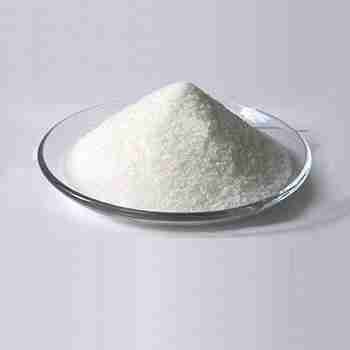
L-Glutathione CAS 27025-41-8
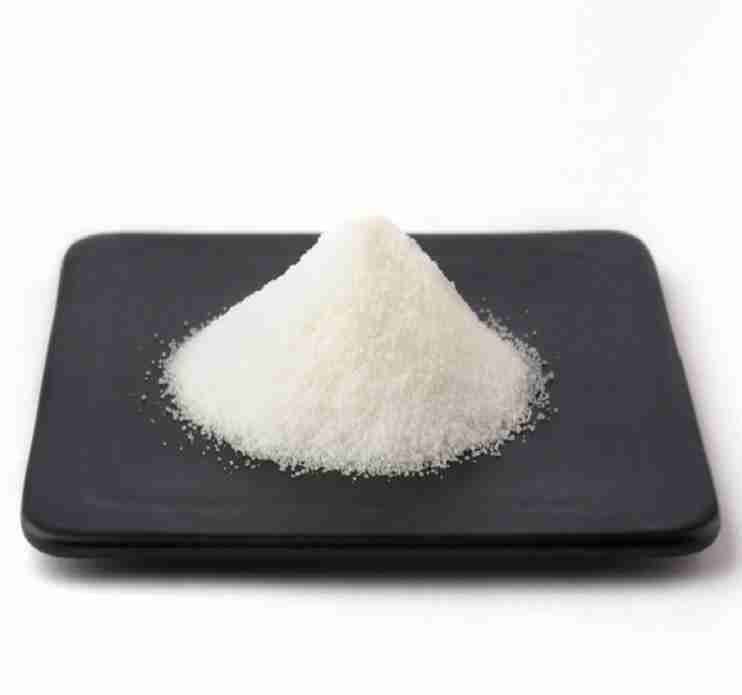
Product name: L-Glutathione
Appearance: White crystal or crystalline powder
Assay: 99%min
Packing: 25kg/drum
Capacity: 150MT/Year
Sample: Available
related documents:
SDS of L-Glutathione CAS 27025-41-8
TDS of L-Glutathione CAS 27025-41-8
COA of L-Glutathione CAS 27025-41-8
Request for product documents
Description
L-Glutathione?Quick Details
Chemical Name: Glutathione (food grade); GSSG; L-Glutathione oxidized; Glutathione oxidized; Glutathione disulfide
MF: C20H32N6O12S2
MW: 612.63
CAS No.: 27025-41-8
Structural Formula:
Typical Properties
Item
Standard
Appearance
White crystal or crystalline powder
Specific rotation
-15.5~17.5o
Loss on drying
?Q0.5%
Residue on ignition
0.1%max
Transmittance
98%min
Sulfate
0.048%max
Ammonium salt
0.020%max
Iron ion
0.001%max
Heavy metal
10ppm max
Arsenic salt
1ppm max
solvent remains
Ethanol0.3%max
relative substance
GSSG?Q1.2%
Total impurity
1.8%max
Assay
98%min
L-Glutathione Usage
Used for Food additives
L-Glutathione Packaging
25kg/drum
L-Glutathione Storage
It should be sealed and shaded to be stored in a dry, cool, well-ventilated place.
Related Products

Chemical Name: N-Acetyl-D-mannosamine
Cas: 7772-94-3
MF: C8H15NO6
MW: 221.21
Appearance: White to off-white powder
Chemical Name: Dehydrocholic acid
Synonyms: Acide dehydrocholique; Triketocholanic acid
CAS No.: 81-23-2
Molecular Formula: C24H34O5
Molecular Weight: 402.53
Appearance: Powder

Chemical Name:?UDP-glucuronic acid
CAS No.: 2616-64-0
Molecular Fomula: C15H22N2O18P2
Molecular weight: 580.28
Appearance: Solid
Assay: 98%
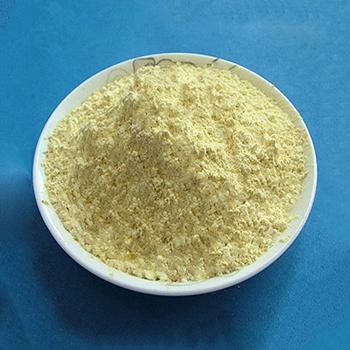
Product name:HYDROXYPROPYL GUAR HYDROXYPROPYLTRIMONIUM CHLORIDE
Purity:99%
Appearance:Light Yellow Powder
Package:Customized according to customer needs.
Sample:Available
EC 3.4.21.14, previously classified, now redirects to EC 3.4.21.67, identifying endopeptidase So. This serine endopeptidase is integral in the hydrolysis of peptide bonds, a critical function in biological systems. Its applications extend across research and development in the pharmaceutical and biotechnological industries.
Chemical Name: o-Xylene
Synonyms: 1,2-Dimethylbenzene; ortho-xylene
CAS No.: 95-47-6
Molecular Formula: C8H10
Molecular Weight: 106.17

Copper acetate peptide, also known as blue copper peptide. Copper peptide, also known as tripeptide in Chinese; Glycyl-L-histomyl-L-lysine. Peptide is a small molecule protein composed of amino acids, which are more easily absorbed by the skin and have more significant effects. It was first isolated from human plasma in 1973 and was discovered to have wound repair function in 1985. In 1999, researchers believed that copper peptide and its copper repair products can serve as activators of tissue remodeling, and it is also a signaling peptide, Promote the degradation of a large amount of collagen aggregates outside scars, the synthesis of normal collagen in the skin, the generation of elastin, proteoglycans, and glucosamine glycans, the growth rate and migration of different cell types, anti-inflammatory, and antioxidant responses.
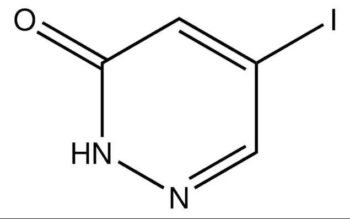
Common English name: 5-iodo-2,3-dihydropyridazin-3-one
CAS No.: 825633-94-1
Molecular formula: C4H3IN2O
Molecular weight: 221.98
Sample: Available
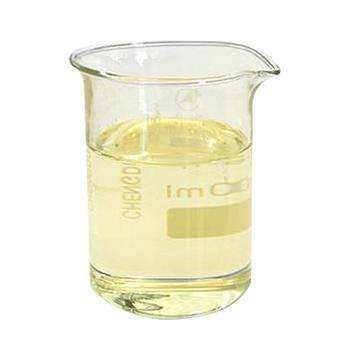
Chemical Name: Potassium Castorate
CAS No.: 8013-05-6
Molecular Formula: C57H107K3O12
Molecular Weight: 1101.74718
Appearance: Yellow Liquid
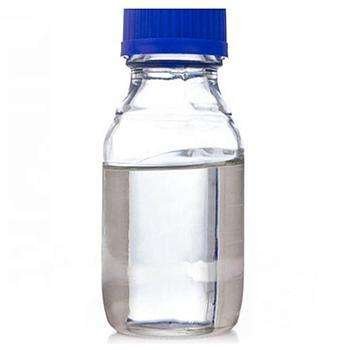
Chemical Name: STODDARD SOLVENT
CAS No.: 64742-88-7
Appearance: Colorless or Light Yellow Liquid
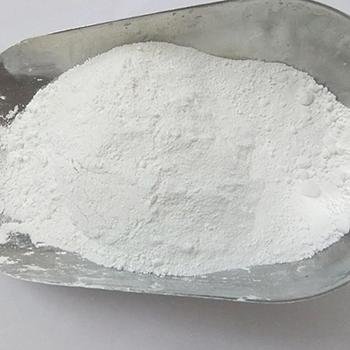
Product name:Cyclopentane
Purity:96%
Appearance:White powder
Package:25kg/bag
Sample:Available

Hydrolyzed keratin is originated from wool and is a light yellow to brownish-yellow clear fluid with a particular smell. It needs to undertake unique organic treatment to come to be brief peptides prior to it can be naturally used. Treated keratin is an acknowledged prospective resource of high-quality healthy protein with high nutritional value and secure quality.
It is a keratin hydrolysate derived from acid, enzyme and other hydrolysis methods, and has been used in feed and food industry, pharmacy, fertilizer, pesticide, environmental protection, leather industry, cosmetics and many other fields. Specifically, the material can be blended with polyamide 6 to prepare nanofibers for adsorbing chromium (VI). In addition, the compound can be used as an effective ingredient in the manufacture of shampoo, shower gel and shower gel. In addition, the chemical can be used as an effective ingredient in the production of deodorization compositions. In addition, the substance has been proven to be useful as a hair styling agent.



Reviews
There are no reviews yet.