

Description
Titanium Oxide Quick Details
Product Name: Titanium oxide
Synonyms: Titanium dioxide; Anatase
CAS No: 1317-80-2
Molecular Formula: TiO2
Molecular Weight: 79.86
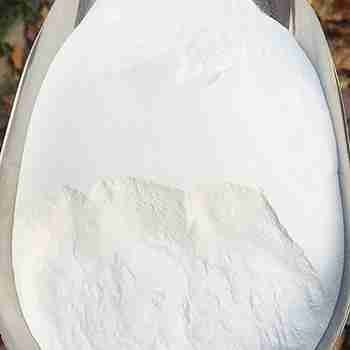
Property: White powder
Titanium Oxide Typical Titanium Oxide Properties
Melting point
1843??C
Boiling point
2900??C
Density
4.17g/mLat25??C(lit.)
Flash point
2500-3000??C
Solubility
Chloroform(Slightly,Sonicated),Hexanes(Slightly,Heated,Sonicated),Methane
Stability
Light Sensitive
?
Titanium Oxide Usage
1.Bleach. Titanium dioxide can be used as all food white pigments in paint, ink, plastic, rubber, paper, chemical fiber and other industries;
2.Used for welding electrodes, refining titanium and manufacturing titanium dioxide
3.Titanium dioxide (nanoscale) is widely used in white inorganic pigments such as functional ceramics, catalysts, cosmetics and photosensitive materials. It is the strongest coloring power among white pigments. It has excellent hiding power and color fastness. It is suitable for opaque white products.
4.Titanium dioxide is widely used as a pigment for paint, paper, rubber, plastic, enamel, glass, cosmetics, ink, watercolor and oil paint
Titanium Oxide Package
25kg/bag
Titanium Oxide Storage
Amber Vial, Refrigerator
Related Products

Bentonite, sodium-activated, is a type of clay rich in montmorillonite minerals, which undergoes a process to increase its sodium content. This alteration enhances its swelling and adsorptive properties, making it a highly effective thickener and gel-forming agent. Sodium bentonite is widely used in drilling muds, foundry sands, and as a binder in various industrial applications. Its ability to absorb liquids and form stable gels makes it invaluable in cosmetics, agriculture, and as a component in the manufacturing of ceramics and paper products.
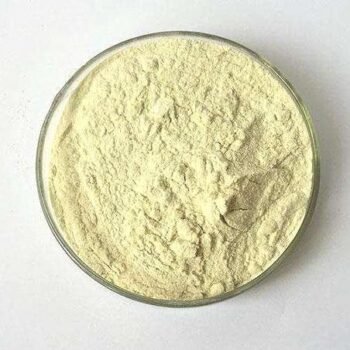
Chemical Name: o-Xylene
Synonyms: 1,2-Dimethylbenzene; ortho-xylene
CAS No.: 95-47-6
Molecular Formula: C8H10
Molecular Weight: 106.17

Chemical Name: 1,1,2,2-Tetrachloroethane
Other Name: Tetrachlorethane
CAS No.: 79-34-5
Molecular Formula: C2H2Cl4
Molecular Weight: 167.85
Appearance: Liquid
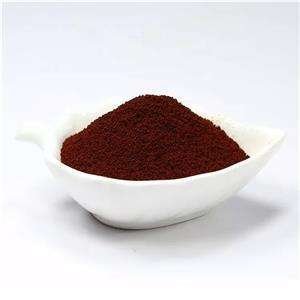
Chemical Name: Choline salicylate
CAS No.: 2016-36-6
Molecular Formula: C12H19NO4
Molecular Weight: 241.28
Appearance: Red-Brown Crystal
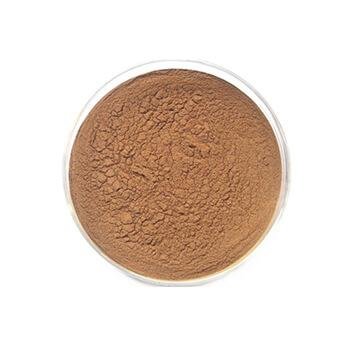
Chemical Name: Ashwagandha Extract
Synonyms: Withania somnifera, ext.; Withania Somnefera Extract
CAS: 90147-43-6
Appearance: Brown
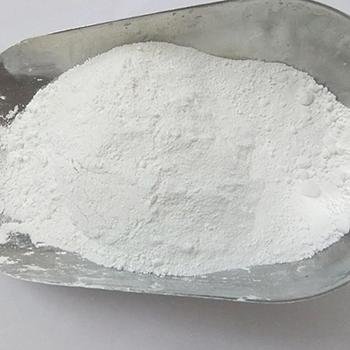
Product name:Cyclopentane
Purity:96%
Appearance:White powder
Package:25kg/bag
Sample:Available
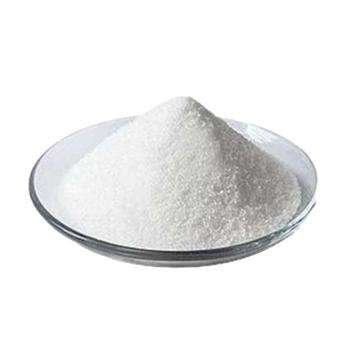
Chemical Name: 3-Hydroxybutyric acid
CAS No.: 625-71-8
Molecular Formula: C4H8O3
Molecular Weight: 104.1
Appearance: White powder
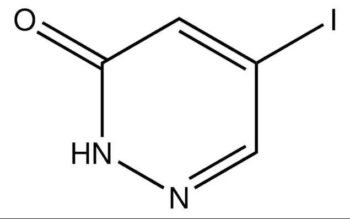
Common English name: 5-iodo-2,3-dihydropyridazin-3-one
CAS No.: 825633-94-1
Molecular formula: C4H3IN2O
Molecular weight: 221.98
Sample: Available

Strontium chloride is an inorganic compound with the chemical formula SrCl2. It is a white crystalline solid that is highly soluble in water. This compound is used in various applications, including the production of strontium salts for??? and pyrotechnics, where it imparts a deep red color to the flame. Additionally, strontium chloride is utilized in metallurgy as an ingredient in alloys and in the medical field for certain diagnostic procedures. Its chemical properties make it a valuable substance in a range of industrial and scientific applications.

Hexaammonium molybdate is a high-purity, water-soluble molybdenum compound with the chemical formula (NH4)6Mo7O24??4H2O. It is a crystalline solid that serves as a molybdenum source in various applications, including agriculture as a micronutrient fertilizer and in the industrial production of catalysts and pigments. Known for its stability and reactivity, it is used to enhance the properties of steel and other alloys, promoting their hardness and resistance to wear.
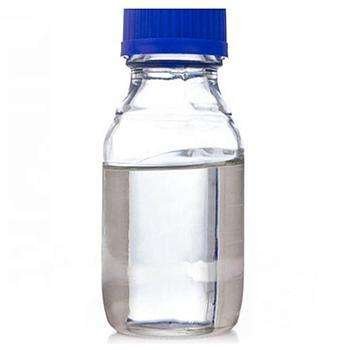
Chemical Name: STODDARD SOLVENT
CAS No.: 64742-88-7
Appearance: Colorless or Light Yellow Liquid

Carbon black, also known as carbon dark, is a kind of unformed carbon. It??s a light, loose and extremely fine black greasepaint with a veritably large face area ranging from 10 to 3000m2/g. It??s an deficient combustion of carbonaceous substances( coal, natural gas, heavy oil painting, energy oil painting,etc.) under conditions of inadequate air. Or products deduced from thermal corruption. Those made from natural gas are called?? gas dark??, those made from oil painting are called?? beacon black??, and those made from acetylene are called?? acetylene black??. In addition, there are?? trough black?? and?? furnace black??.



Reviews
There are no reviews yet.