
Description
Benzylacetone Details
Chemical Name: Benzylacetone
Synonyms: 4-Phenyl-2-butanone; 4-Phenylbutan-2-one
CAS No.: 2550-26-7
Molecular Formula: C10H12O
Molecular Weight: 148.2
Molecular?Structure:
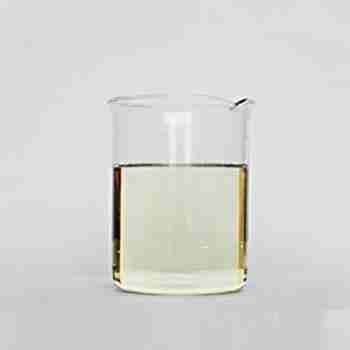
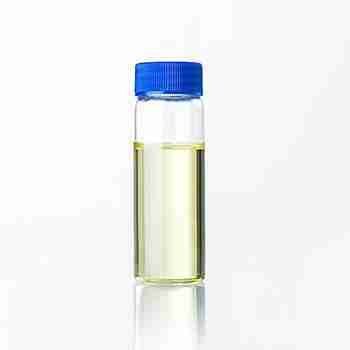
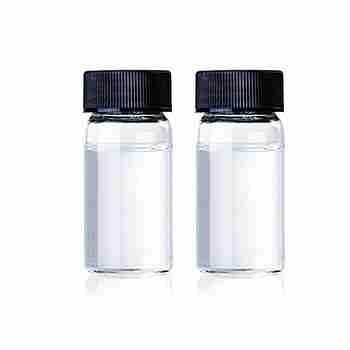
Appearance: liquid
Benzylacetone Typical Properties
Melting point
-13??C
Boiling point
235???C(lit.)
Density
0.989?g/mL?at 25???C(lit.)
Refractive index
n20/D 1.512(lit.)
Colour
Colorless to light yellow
Appearance
Liquid
Water Solubility
PRACTICALLY INSOLUBLE
Vapor Pressure
0.0386 hPa (20 ??C)
Flash point
209???F
?
Benzylacetone Usage
Pharmaceutical intermediates.
Benzylacetone Packaging and Shipping
Packing: 200KG/Drum
Benzylacetone Storage
Keep container tightly closed in a dry and well-ventilated place. Store in cool place.
Related Products
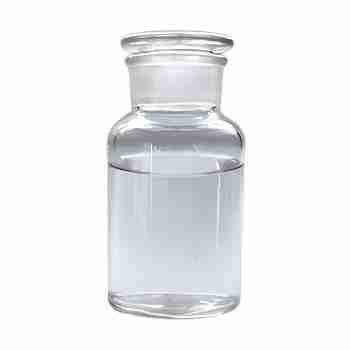
Chemical Name: PHENYL VALERATE
Synonyms: Phenyl pentanoate; Pentanoic acid phenyl ester
Cas No.: 20115-23-5
Molecular Fomula: C11H14O2
Molecular Weight: 178.23
Appearance:?Transparent Colorless Liquid
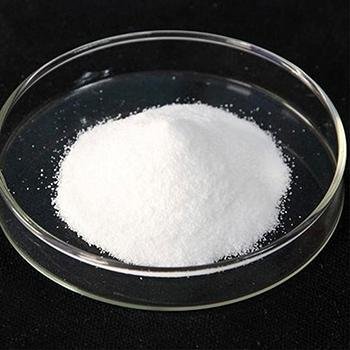
Chemical Name: UV-120
Other Name: (2’,4’-Di-tert-butylphenyl 3,5-di-tert-butyl-4-hydroxybenzoate)
CAS No.: 4221-80-1
Molecular Fomula: C29H42O3
Molecular weight: 438.66
Assay: ≥99%(LC)
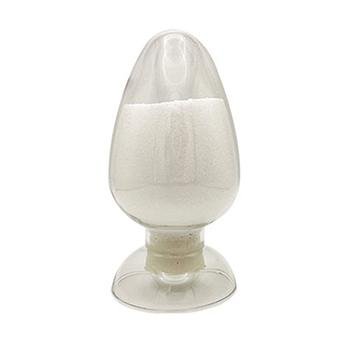
Chemical Name: Imazalil Sulfate
CAS No.: 58594-72-2
Molecular Formula: C14H14Cl2N2O.H2SO4
Molecular Weight: 395.26
Appearance: Solid
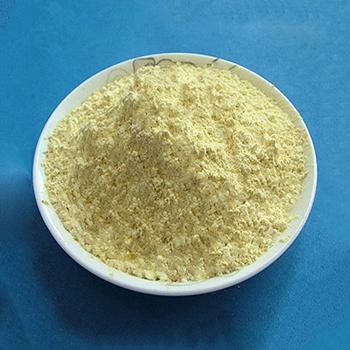
Product name:HYDROXYPROPYL GUAR HYDROXYPROPYLTRIMONIUM CHLORIDE
Purity:99%
Appearance:Light Yellow Powder
Package:Customized according to customer needs.
Sample:Available
Light aromatic solvent oil is a mixture of various aromatic compounds, which may contain some dangerous ingredients. For example, a certain varnish base mentioned in a document contains 3-5% light aromatic solvent naphtha (petroleum), as well as benzoic acid, 1,2,4-trimethylbenzene, 4-methyl-2-pentanone, butyl acetate, ethyl 3-ethoxypropionate, bis(1,2,2,6,6-pentylmethyl-4-piperidinyl) sebacate, methyl-1,2,2,6,6-pentamethyl-4-piperidinyl sebacate, 3-(2H-benzotriazol-2-yl)-5-(1,1-dimethylethyl)-4-hydroxy-phenylpropionic acid-C7-9 (branched and linear) alkyl esters and other ingredients.
Chemical Name: o-Xylene
Synonyms: 1,2-Dimethylbenzene; ortho-xylene
CAS No.: 95-47-6
Molecular Formula: C8H10
Molecular Weight: 106.17

Chemical Name: Ammonium Iron(II) Sulfate
Synonyms: Diammonium iron bis(sulphate); iron (ii) ammonium sulfate
CAS No.: 10045-89-3
Molecular Formula: FeH5NO4S
Molecular Weight: 170.95

Chemical Name: 4-((2-Furylmethyl)thio)-4-methylpentan-2-one
Cas No.: 64835-96-7
Molecular Fomula: C11H16O2S
Molecular Weight: 212.31
Appearance: Colorless to light yellow liquid
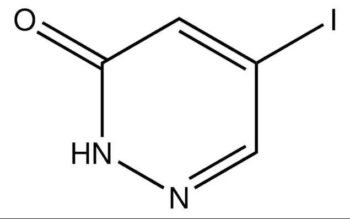
Common English name: 5-iodo-2,3-dihydropyridazin-3-one
CAS No.: 825633-94-1
Molecular formula: C4H3IN2O
Molecular weight: 221.98
Sample: Available
Chemical Name: z-3-decen-1-yl acetate
CAS No.: 81634-99-3
Molecular Fomula: C12H22O2
Molecular weight:?198.3
Appearance:?powder

Product name:Cyclopentane
Purity:96%
Appearance:White powder
Package:25kg/bag
Sample:Available
Menthol, also known as hexahydrothymol, is commonly known as L-menthol, and its scientific name is 5-methyl-2-isopropyl-cyclohexanol. It is a very important cycloterpene alcohol. L-menthol has a characteristic mint aroma and has a cooling effect. Racemic ?C menthol also has a cooling effect, while other isomers have no cooling effect. L-menthol accounts for a large proportion of applications in medicine and health. It can be used as poultice, ointment, analgesic, local anesthetic, cooling agent, antipruritic agent, mouthwash, bactericide, and for the treatment of toothache, Tablets for stomach pain, neuralgia, etc.; the second largest use is spices. L-menthol is a spice in demand among cyclic monoterpene alcohols. It can be used as tobacco spices, used with peppermint oil to prepare toothpaste flavors, and other spices. Toilet water; menthol can also be used as a flavoring agent for a variety of foods, such as candies, chewing gum, cakes, fruit wine, refreshing drinks, etc.



Reviews
There are no reviews yet.