
Description
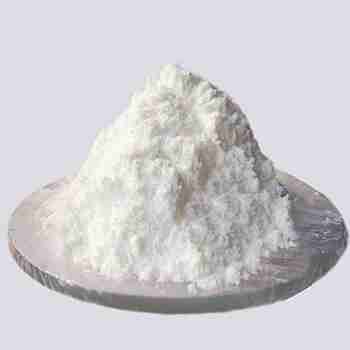
Potassium pyrophosphate?Quick Details
Chemical Name: Potassium pyrophosphate
CAS No.: 7320-34-5
Molecular Fomula: K4O7P2
Chemical Structure:
Molecular weight:?330.336522
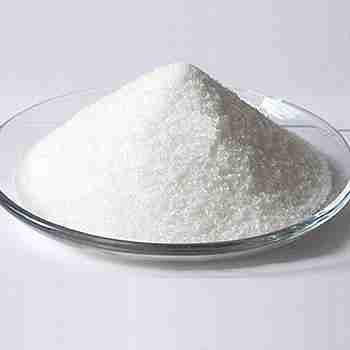
Appearance:?White powder or lump.
Assay: ??99%
Typical Properties
ITEMS
SPECIFICATION
Melting point
1300 ??C (lit.)
Density
2.33
Vapor Pressure
0Pa at 20??
Solubility
Soluble in H
pH value
pH (40g/l, 25??) : 10.0??11.0
Acid-base indicator discoloration pH range
10
Water solubility
SOLUBLE
Sensitivity
Hygroscopic
?
Potassium pyrophosphate application:
Mainly used for cyanide-free electroplating, replacing sodium cyanide as the complexing agent for electroplating. Also used as pre-treatment agent for electroplating and pyrophosphate plating solution. Preparation of detergent components for clothing, components of metal surface cleaners and bottle cleaners, and additives for various detergents. Used as a clay dispersant in the ceramic industry, a dispersant and buffer for pigments and dyes. In the bleaching and dyeing industry, it is used to remove a small amount of ferric ions in water to improve the quality of bleaching and dyeing.
Packaging and Shipping?
Customized according to customer needs.
Potassium pyrophosphate?Storage
It should be stored in a clean, dry and cool place, preventing from sunlight, rain.
Related Products

Water glass is an aqueous solution of silicate, which is as crystal clear as glass but as fluid as water. It is a soluble alkali metal silicate material composed of a combination of alkali metal oxides and silica.
Water glass plays an important role in industry, agriculture, technology and other fields. As a binder, water glass has occupied a place in the industrial field since its inception. It can be used to block the sewage leaked from the Fukushima nuclear power plant, or to repair cracks in brick walls; it also has anti-corrosion and acid resistance properties. , is an important material for acid-resistant floors and acid-resistant pools in industrial buildings; painting concrete pavements with water glass can also increase the frost resistance and water resistance of the pavement.
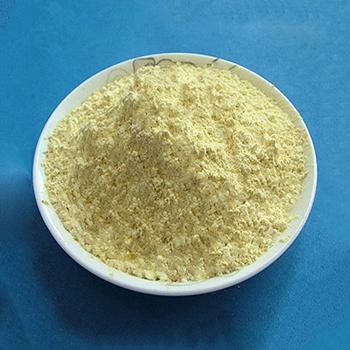
Product name:HYDROXYPROPYL GUAR HYDROXYPROPYLTRIMONIUM CHLORIDE
Purity:99%
Appearance:Light Yellow Powder
Package:Customized according to customer needs.
Sample:Available
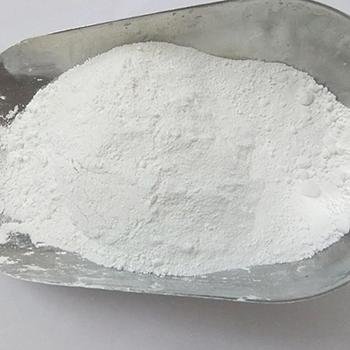
Product name:Cyclopentane
Purity:96%
Appearance:White powder
Package:25kg/bag
Sample:Available

Hexaammonium molybdate is a high-purity, water-soluble molybdenum compound with the chemical formula (NH4)6Mo7O24??4H2O. It is a crystalline solid that serves as a molybdenum source in various applications, including agriculture as a micronutrient fertilizer and in the industrial production of catalysts and pigments. Known for its stability and reactivity, it is used to enhance the properties of steel and other alloys, promoting their hardness and resistance to wear.

Copper(II) sulfate, with the chemical formula CuSO4, is a blue crystalline compound that is soluble in water. It is commonly used in agriculture as a fungicide and in the textile industry as a dye fixative. Copper(II) sulfate is also utilized in the manufacture of pigments, batteries, and as an algaecide in water treatment. Its distinctive blue color and reactivity make it a versatile chemical in various industrial applications, including chemical analysis and electroplating.
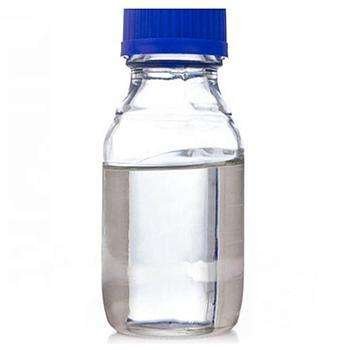
Chemical Name: STODDARD SOLVENT
CAS No.: 64742-88-7
Appearance: Colorless or Light Yellow Liquid
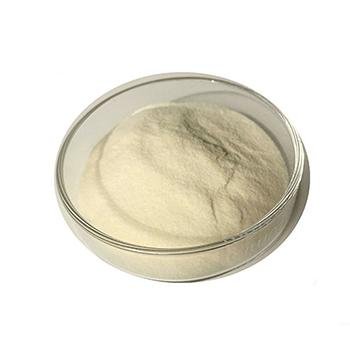
Chemical Name: Quercetin-3-O-sophoroside
CAS No.: 18609-17-1
Molecular Formula: C27H30O17
Molecular Weight: 626.52

Strontium chloride is an inorganic compound with the chemical formula SrCl2. It is a white crystalline solid that is highly soluble in water. This compound is used in various applications, including the production of strontium salts for??? and pyrotechnics, where it imparts a deep red color to the flame. Additionally, strontium chloride is utilized in metallurgy as an ingredient in alloys and in the medical field for certain diagnostic procedures. Its chemical properties make it a valuable substance in a range of industrial and scientific applications.
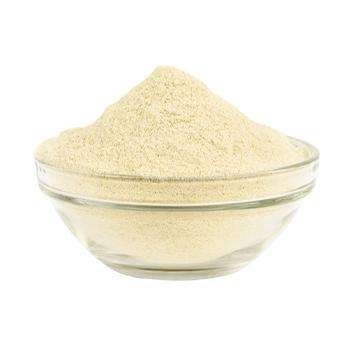
Chemical Name: Arabic gum
CAS No.: 9000-01-5
Appearance: powder
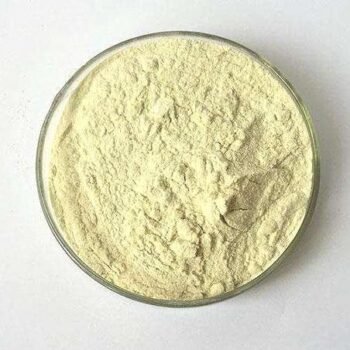
Chemical Name: o-Xylene
Synonyms: 1,2-Dimethylbenzene; ortho-xylene
CAS No.: 95-47-6
Molecular Formula: C8H10
Molecular Weight: 106.17
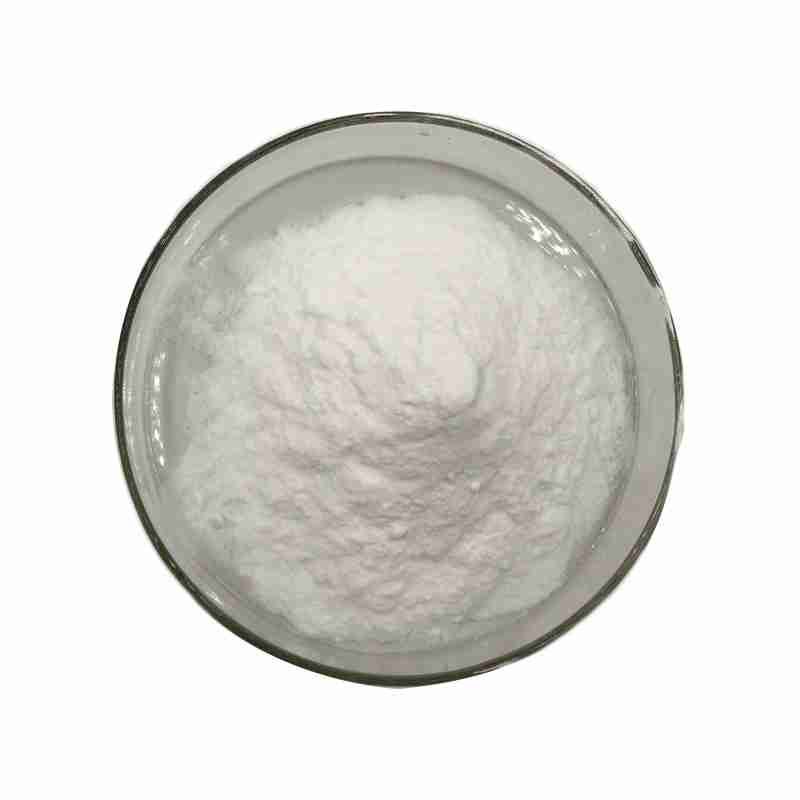
Ammonium sulfamate is a white crystalline compound with the chemical formula (NH4)2SO3. It is a versatile chemical used in various applications, including as a flame retardant, a fertilizer ingredient, and a chemical intermediate. In the agricultural sector, it serves as a source of nitrogen, promoting plant growth. As a flame retardant, it is effective in reducing the flammability of materials. Additionally, it is used in the synthesis of other chemicals due to its reactivity with amines and other organic compounds. Its properties make it a valuable component in a range of industrial processes.
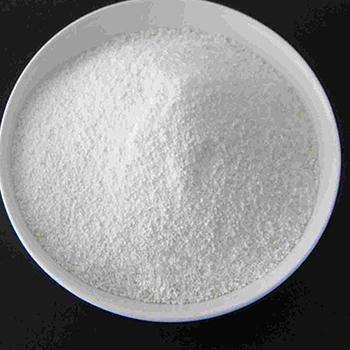
Chemical Name: Dehydrocholic acid
Synonyms: Acide dehydrocholique; Triketocholanic acid
CAS No.: 81-23-2
Molecular Formula: C24H34O5
Molecular Weight: 402.53
Appearance: Powder



Reviews
There are no reviews yet.