

Description
Yttrium oxide Details
Chemical Name: Yttrium oxide; Yttrium(III) oxide
CAS No.: 1314-36-9
Molecular Formula: Y2O3
Molecular Weight: 225.81
Molecular?Structure:
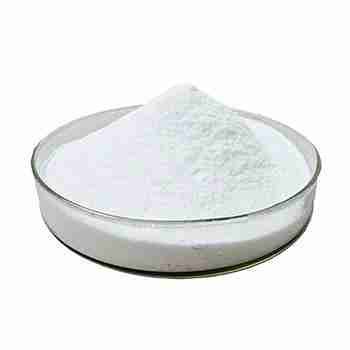
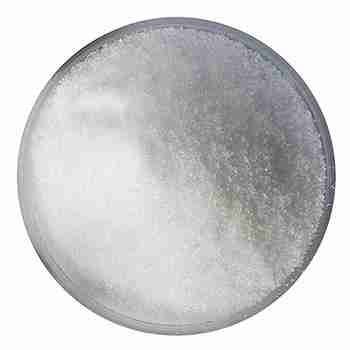
Appearance: white powder
Yttrium oxide Typical Properties
Melting point
2410 ??C
Boiling point
81-83???C
Density
5.01?g/mL?at 25???C(lit.)
Solubility
soluble in dilute acid solutions
Water Solubility
Insoluble
Storage
no restrictions.
Appearance
Nano powder
Colour
White
PH
10??1
Yttrium oxide Usage
Yttrium oxide is often used as a functional additive material due to its high dielectric constant, good heat resistance, strong corrosion resistance and a series of excellent physical properties. It is widely used in atomic energy, aerospace, fluorescence, electronics, high-tech ceramics, etc. field.
1. Used as phosphor matrix material in display, lighting, marking and other fields;
2. Used as laser medium material, prepared into transparent ceramics with high optical performance, which can be used as laser working medium to achieve room temperature laser output;
3. Used as an up-conversion luminescent matrix material, used in infrared detection, fluorescent labeling and other fields;
Made into transparent ceramics, it can be used in visible and infrared lenses, high-pressure gas discharge lamp tubes, ceramic scintillator, high-temperature furnace observation windows, etc.;
4. Can be used as reaction vessels, high temperature resistant materials, refractory materials, etc.;
5. Used as raw materials or additives, it is also widely used in fields such as high-temperature superconducting materials, laser crystal materials, structural ceramics, catalytic materials, dielectric ceramics, and high-performance alloys.
Yttrium oxide Packaging and Shipping
Packing: 25KG/Drum
Yttrium oxide Storage
Keep container tightly closed in a dry and well-ventilated place. Store in cool place.
Related Products
Product name:HYDROXYPROPYL GUAR HYDROXYPROPYLTRIMONIUM CHLORIDE
Purity:99%
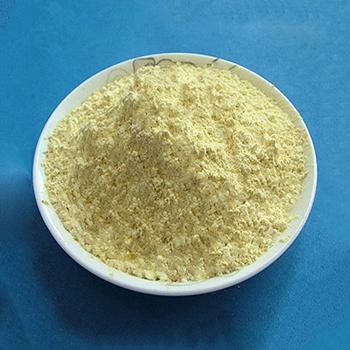
Appearance:Light Yellow Powder
Package:Customized according to customer needs.
Sample:Available
Chemical Name: UV-120
Other Name: (2’,4’-Di-tert-butylphenyl 3,5-di-tert-butyl-4-hydroxybenzoate)
CAS No.: 4221-80-1
Molecular Fomula: C29H42O3
Molecular weight: 438.66
Assay: ≥99%(LC)
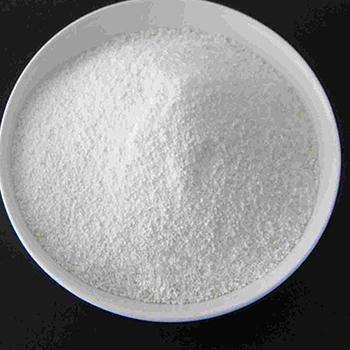
Chemical Name: Dehydrocholic acid
Synonyms: Acide dehydrocholique; Triketocholanic acid
CAS No.: 81-23-2
Molecular Formula: C24H34O5
Molecular Weight: 402.53
Appearance: Powder
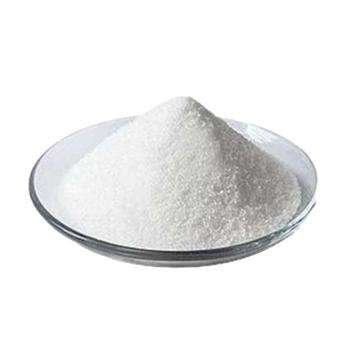
Chemical Name: 3-Hydroxybutyric acid
CAS No.: 625-71-8
Molecular Formula: C4H8O3
Molecular Weight: 104.1
Appearance: White powder

Hexaammonium molybdate is a high-purity, water-soluble molybdenum compound with the chemical formula (NH4)6Mo7O24??4H2O. It is a crystalline solid that serves as a molybdenum source in various applications, including agriculture as a micronutrient fertilizer and in the industrial production of catalysts and pigments. Known for its stability and reactivity, it is used to enhance the properties of steel and other alloys, promoting their hardness and resistance to wear.
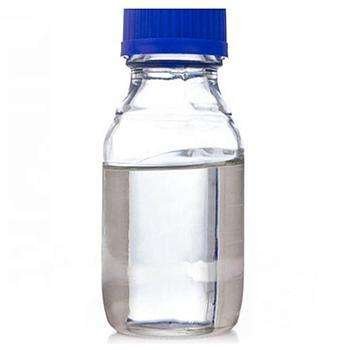
Chemical Name: STODDARD SOLVENT
CAS No.: 64742-88-7
Appearance: Colorless or Light Yellow Liquid
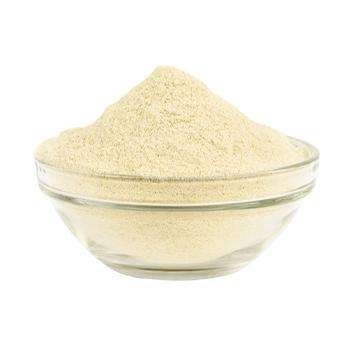
Chemical Name: Arabic gum
CAS No.: 9000-01-5
Appearance: powder
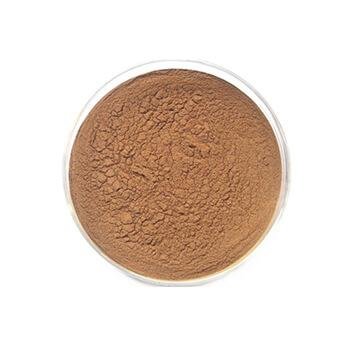
Chemical Name: Ashwagandha Extract
Synonyms: Withania somnifera, ext.; Withania Somnefera Extract
CAS: 90147-43-6
Appearance: Brown

Kaolin, also known as china clay, is a naturally occurring hydrated aluminum silicate mineral. It is a soft, white, plastic clay that is widely used in ceramics, papermaking, and as a pigment in paints, coatings, and plastics. Kaolin is valued for its fine particle size, purity, and ability to improve the brightness and opacity of materials. Its inert nature and high refractive index make it ideal for various industrial applications, including cosmetics and pharmaceuticals.
Sodium aluminosilicate (CAS No.73987-94-7) is an inorganic compound.
It has a certain application in industry. For example, in the ceramic industry, sodium aluminosilicate can be used as a flux and an ingredient in ceramic glazes, helping to improve the performance and appearance of ceramics.
In some chemical processes, it may also function as a precipitating agent or an additive.
In the field of materials science, the properties and structural characteristics of sodium aluminosilicate make it have potential application value in the research and development of some new materials.

Aluminum chlorohydrate is an inorganic compound often used as a coagulant in water treatment processes. It is also known for its astringent properties and is utilized in various personal care products, such as antiperspirants and deodorants, due to its ability to temporarily close sweat glands. It enhances the viscosity and stability of formulations, making it a valuable ingredient in cosmetics and pharmaceuticals.
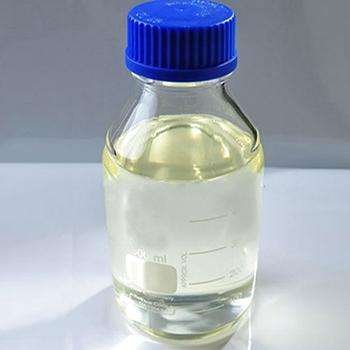
Chemical Name: 1,1,2,2-Tetrachloroethane
Other Name: Tetrachlorethane
CAS No.: 79-34-5
Molecular Formula: C2H2Cl4
Molecular Weight: 167.85
Appearance: Liquid



Reviews
There are no reviews yet.