

Description
Soybean Lecithin Details
Chemical Name: Soybean lecithin
CAS No.: 8030-76-0
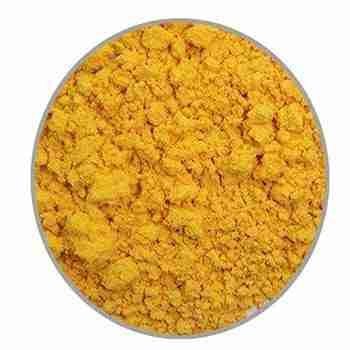
Appearance: yellow to brown semi-solid or lump
Typical Properties
Item
Standard
Appearance
yellow to brown semi-solid or lump
Solution
soluble in Ether and Ethanol, insoluble in Acetone
Acid value
n.m.t.30
Iodine value
n.l.t.75
Peroxide value
n.m.t.3.0
Identification
???1??should be a positive reaction
??2?? should be a positive reaction
Color of solution
absorbance n.m.t.0.8 at 350 nm
Acetone insoluble
n.l.t.90%
Hexane insoluble
n.m.t.0.3%
Water
n.m.t.1.5%
Heavy metals
n.m.t.20ppm
Arsenic
n.m.t.2ppm
Lead
n.m.t.2ppm
Residual solvents
ethanol ????????????n.m.t.0.2%
acetone ????????????n.m.t.0.2%
dichloromethane ??????n.m.t.0.06%
total residual solvent ???n.m.t.0.5%
Bacteriological account
Aerobes [/g] ?????????n.m.t.100
Moulds and Yeasts [/g]???n.m.t.100
Escherichis coli [/g] ???negative
Salmonellae [/10g] ????negative
Assay?(on dry basis)
Phosphorus (P)
n.l.t.2.7%
Nitrogen(N)
1.5%??2.0%
Phosphatidyl choline
?n.l.t45.0%
Phosphatidylethanolamine
?n.m.t.30%
Phosphatidyl choline and Phosphatidylethanolamine
n.l.t70.0%
Soybean lecithin Usage
Used as raw material for health food, emulsifier, quality improver, emulsifier for injection and liposome raw material
Can effectively improve and prevent arteriosclerosis, high blood pressure, heart disease and stroke, at the same time can enhance cell vitality, regulate the nervous system
Nutritional medicine. Used to prevent atherosclerosis, hypertension, heart disease, Alzheimer??s disease, gout, diabetes, neurasthenia. It can also be used for bacterial culture medium preparation. Phospholipids are powerful emulsifiers that can ??emulsify?? cholesterol and fat into very fine particles, and even resolve the ??atherosclerotic plaques?? that have formed, thereby reducing blood lipids and reducing the chance of stroke and myocardial infarction. As an emulsifier, phospholipids can also help the body absorb fat-soluble vitamins A, D, E, K, etc., for the body??s normal functioning needs.
Biochemical research, the main structural phospholipid in the brain.
Packaging and Shipping
Packing: 10kg/carton,25kg/fiber drum
Related Products
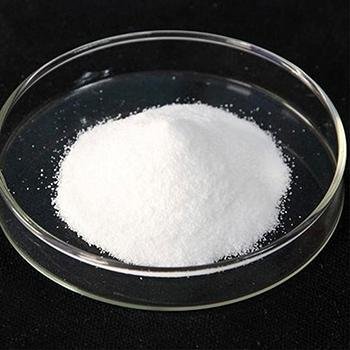
Chemical Name: UV-120
Other Name: (2’,4’-Di-tert-butylphenyl 3,5-di-tert-butyl-4-hydroxybenzoate)
CAS No.: 4221-80-1
Molecular Fomula: C29H42O3
Molecular weight: 438.66
Assay: ≥99%(LC)
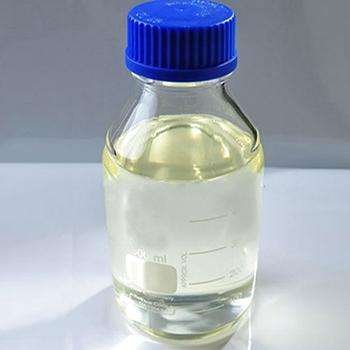
Chemical Name: 1,1,2,2-Tetrachloroethane
Other Name: Tetrachlorethane
CAS No.: 79-34-5
Molecular Formula: C2H2Cl4
Molecular Weight: 167.85
Appearance: Liquid
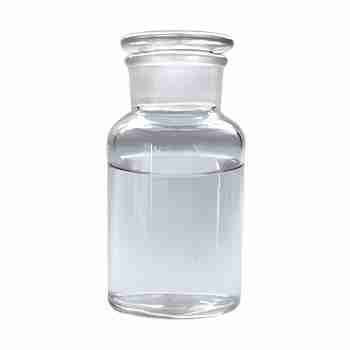
Chemical Name: D-PANTOTHENIC ACID
CAS No.: 79-83-4
Molecular Formula: C9H17NO5
Molecular Weight: 219.24
Appearance: Colorless or Light Yellow Oily Liquid
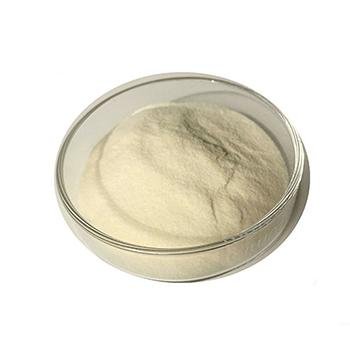
Chemical Name: Quercetin-3-O-sophoroside
CAS No.: 18609-17-1
Molecular Formula: C27H30O17
Molecular Weight: 626.52
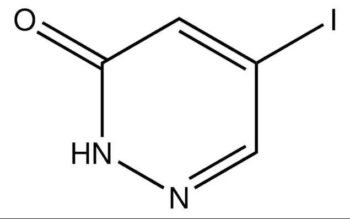
Common English name: 5-iodo-2,3-dihydropyridazin-3-one
CAS No.: 825633-94-1
Molecular formula: C4H3IN2O
Molecular weight: 221.98
Sample: Available
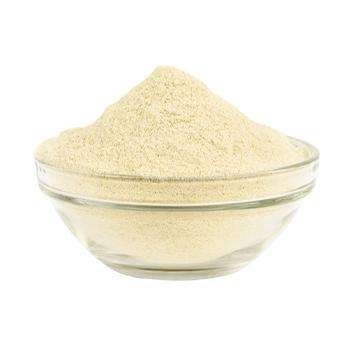
Chemical Name: Arabic gum
CAS No.: 9000-01-5
Appearance: powder
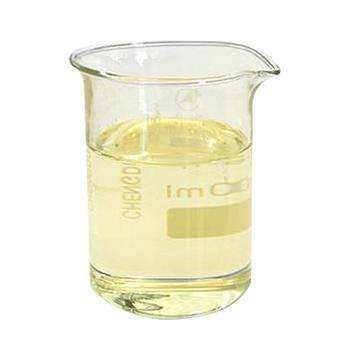
Chemical Name: Potassium Castorate
CAS No.: 8013-05-6
Molecular Formula: C57H107K3O12
Molecular Weight: 1101.74718
Appearance: Yellow Liquid
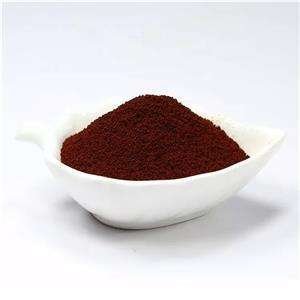
Chemical Name: Choline salicylate
CAS No.: 2016-36-6
Molecular Formula: C12H19NO4
Molecular Weight: 241.28
Appearance: Red-Brown Crystal
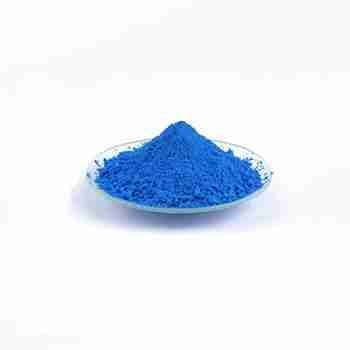
Chemical Name: COPPER (II) GLUCONATE, MIN. 98
CAS No.: 13005-35-1
Molecular Fomula: C12H22CuO14
Molecular weight: 453.84068
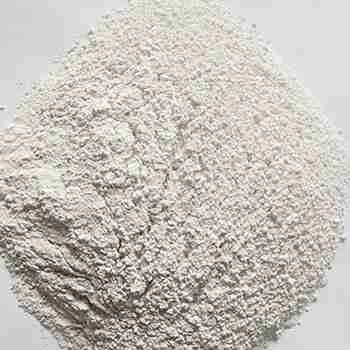
Chemical Name: LOCUST BEAN GUM
CAS No.:9000-40-2
Molecular Fomula: C10H11ClN2O2
Molecular weight: 226.65954
Appearance: Off-white to light beige solid
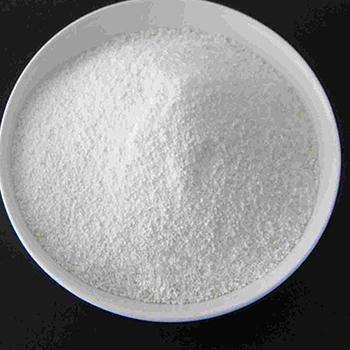
Chemical Name: Dehydrocholic acid
Synonyms: Acide dehydrocholique; Triketocholanic acid
CAS No.: 81-23-2
Molecular Formula: C24H34O5
Molecular Weight: 402.53
Appearance: Powder
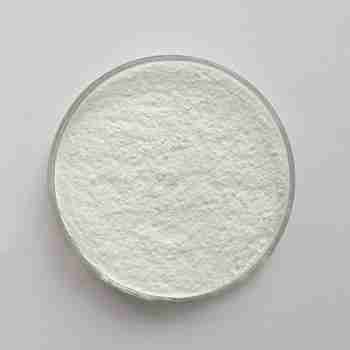
Chemical Name: Zinc citrate
Synonyms: Zinc citrate trihydrate
CAS No.: 546-46-3
Molecular Formula: C6H8O7Zn
Molecular Weight: 257.5
Appearance: White powder



Reviews
There are no reviews yet.