

Description
Potassium sorbate Details
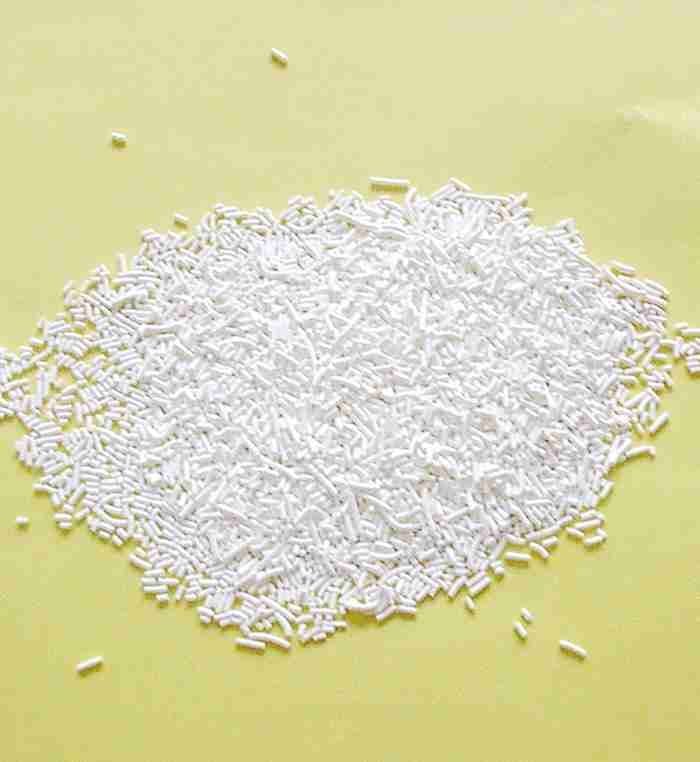
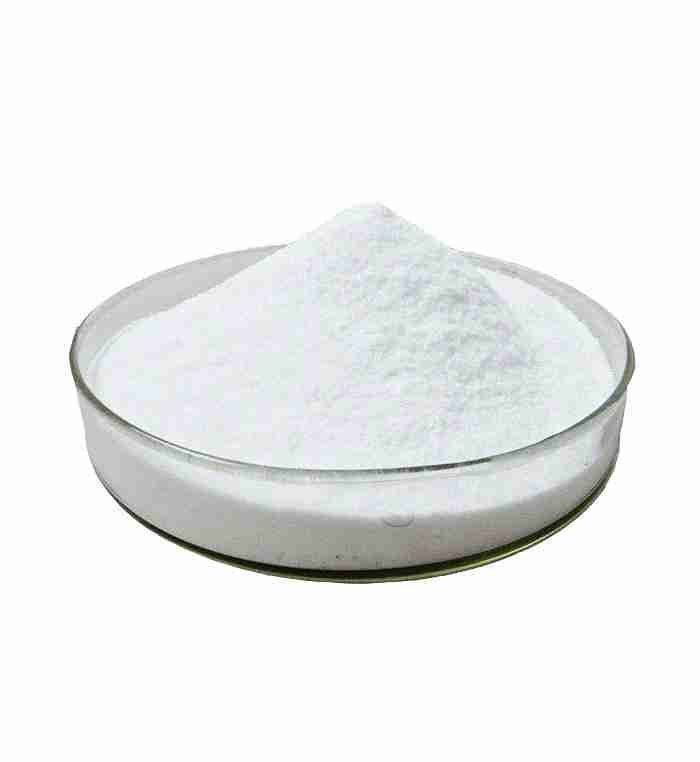
Chemical Name:Potassium sorbate
CAS No.: 24634-61-5
Molecular Formula: C6H7KO2
Molecular Weight: 150.22
Appearance: White flakes
Typical Properties
Item
Result
Appearance
White Granular or Powder
Identification
Conform
Assay
99,0~101,0 %
Alkalinity (as K2CO3)
??1.0%
Acidity (as Sorbic Acid)
??1.0 %
Aldehyde (as Formaldehyde)
??1.0 %
Lead (Pb)
??2 mg/kg
Heavy Metals (as Pb)
??10 mg/kg
Mercury (Hg)
??1 mg/kg
Arsenic (as As)
??3 mg/kg
Ash
Free
Loss on Drying
??1.0 %
Organic volatile impurities
Meets the requirements
Residual solvents
Meets the requirements
Conclusion
The goods conform to FCC IX edition
Potassium sorbate Usage
1. Low toxicity, high efficiency acid preservative
2. Used as an inhibitor of mold and yeast
3. As a mold inhibitor
Packaging and Shipping
Packing: 25KG carton or Customer specified packaging
Potassium sorbate Storage
Sheltered, dry, dark place for storage.
Related Products
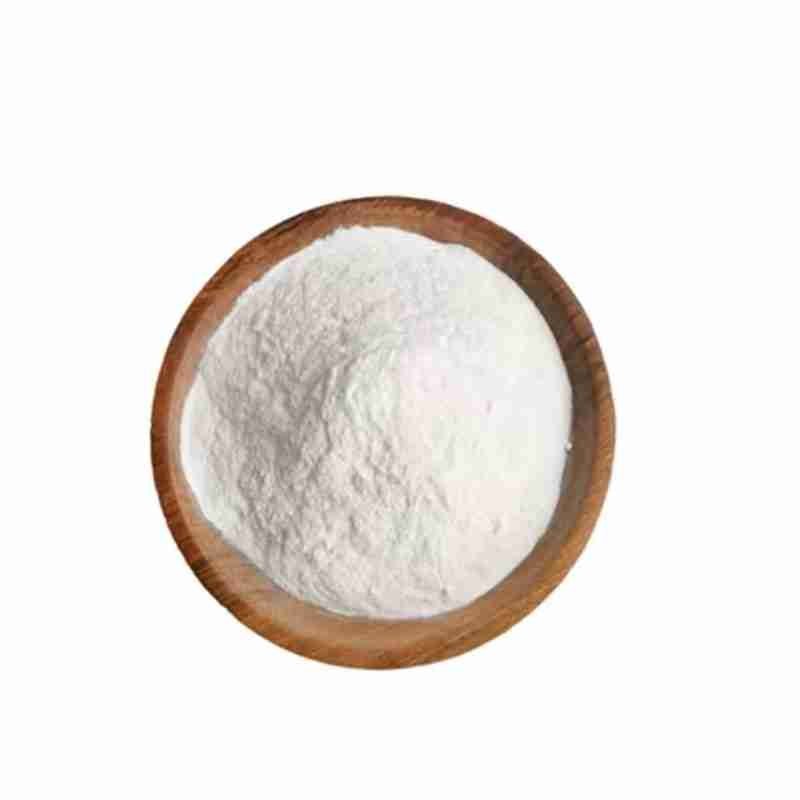
Microcrystalline cellulose is a purified, partially depolymerized cellulose that occurs as a white, odorless, tasteless, crystalline powder composed of porous particles. It is commercially available in different particle sizes and moisture grades that have different properties and applications.
Microcrystalline cellulose and carboxymethylcellulose sodium occurs as a white or off-white odorless and tasteless hygroscopic powder containing 5?C22% sodium carboxymethylcellulose. It is a water-dispersible organic hydrocolloid.
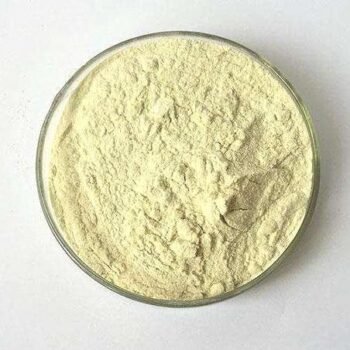
Chemical Name: o-Xylene
Synonyms: 1,2-Dimethylbenzene; ortho-xylene
CAS No.: 95-47-6
Molecular Formula: C8H10
Molecular Weight: 106.17
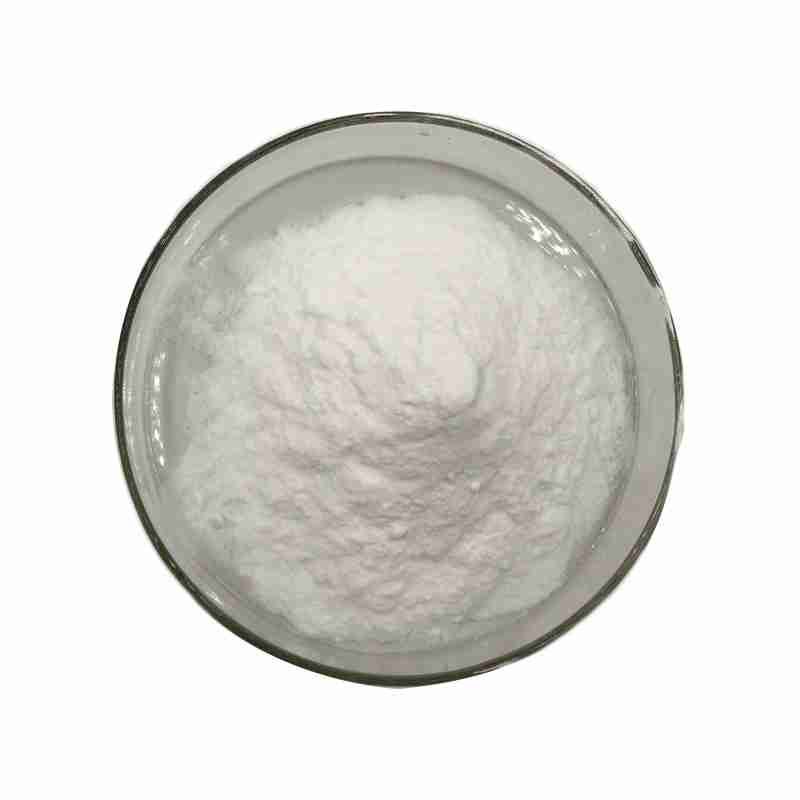
Monostearin is a versatile emulsifier and emollient derived from glycerol and stearic acid. It is instrumental in stabilizing emulsions and enhancing the texture and consistency of a wide range of products in the cosmetics, food, and pharmaceutical sectors.
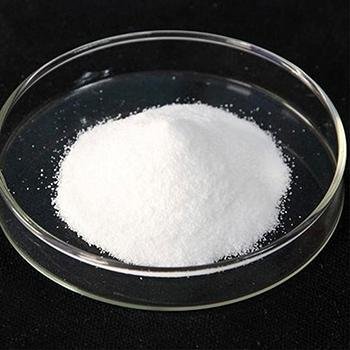
Chemical Name: UV-120
Other Name: (2’,4’-Di-tert-butylphenyl 3,5-di-tert-butyl-4-hydroxybenzoate)
CAS No.: 4221-80-1
Molecular Fomula: C29H42O3
Molecular weight: 438.66
Assay: ≥99%(LC)
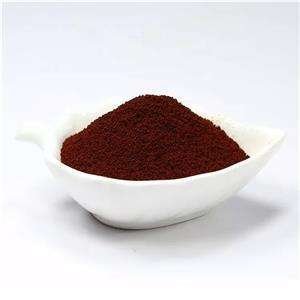
Chemical Name: Choline salicylate
CAS No.: 2016-36-6
Molecular Formula: C12H19NO4
Molecular Weight: 241.28
Appearance: Red-Brown Crystal
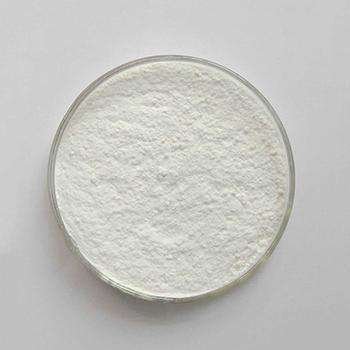
Chemical Name: Zinc citrate
Synonyms: Zinc citrate trihydrate
CAS No.: 546-46-3
Molecular Formula: C6H8O7Zn
Molecular Weight: 257.5
Appearance: White powder
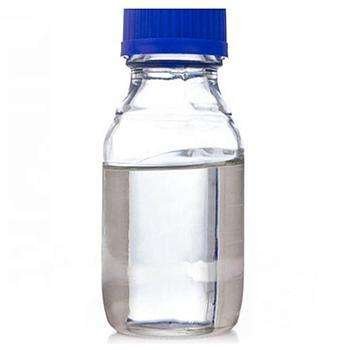
Chemical Name: STODDARD SOLVENT
CAS No.: 64742-88-7
Appearance: Colorless or Light Yellow Liquid
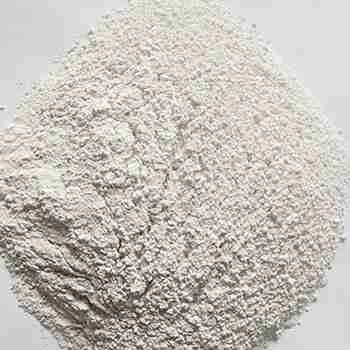
Chemical Name: LOCUST BEAN GUM
CAS No.:9000-40-2
Molecular Fomula: C10H11ClN2O2
Molecular weight: 226.65954
Appearance: Off-white to light beige solid
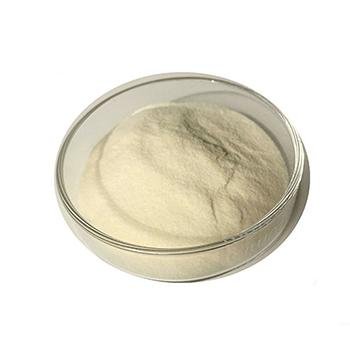
Chemical Name: Quercetin-3-O-sophoroside
CAS No.: 18609-17-1
Molecular Formula: C27H30O17
Molecular Weight: 626.52
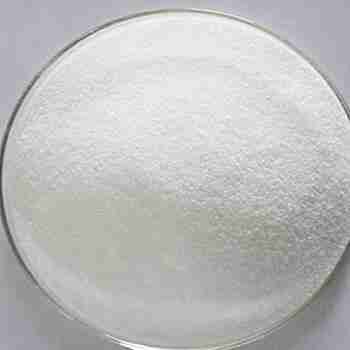
Chemical Name: Polyglycerol Fatty Acid Ester
Synonyms: Decaglyceryl Dipalmitate
CAS No.: 67784-82-1
Molecular Fomula: C3H8O3
Molecular weight:432.642
Appearance:?White to yellow powder, solid, mucus
Assay: 99.9%
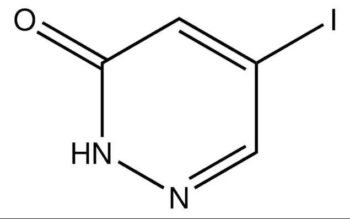
Common English name: 5-iodo-2,3-dihydropyridazin-3-one
CAS No.: 825633-94-1
Molecular formula: C4H3IN2O
Molecular weight: 221.98
Sample: Available
Hydrogenated lecithin is light yellow or milky white powder. Due to the use of catalysis and hydrogenation processes, the unsaturated chains of unsaturated fatty acids in the molecular structure of soybean lecithin disappear, thereby greatly improving the chemical stability, dispersibility, and emulsification of lecithin. It has decolorization and deodorization effects, which is more conducive to storage and preservation, and improves its role in medicine, high-end cosmetics, and light industry. It is especially suitable for intravenous fat emulsifiers and nutrients. It is used as a blood lipid emulsifier to prevent arteriosclerosis, and has the advantages of being easy to digest, easy to absorb, and almost not remaining in the internal organs.



Reviews
There are no reviews yet.