
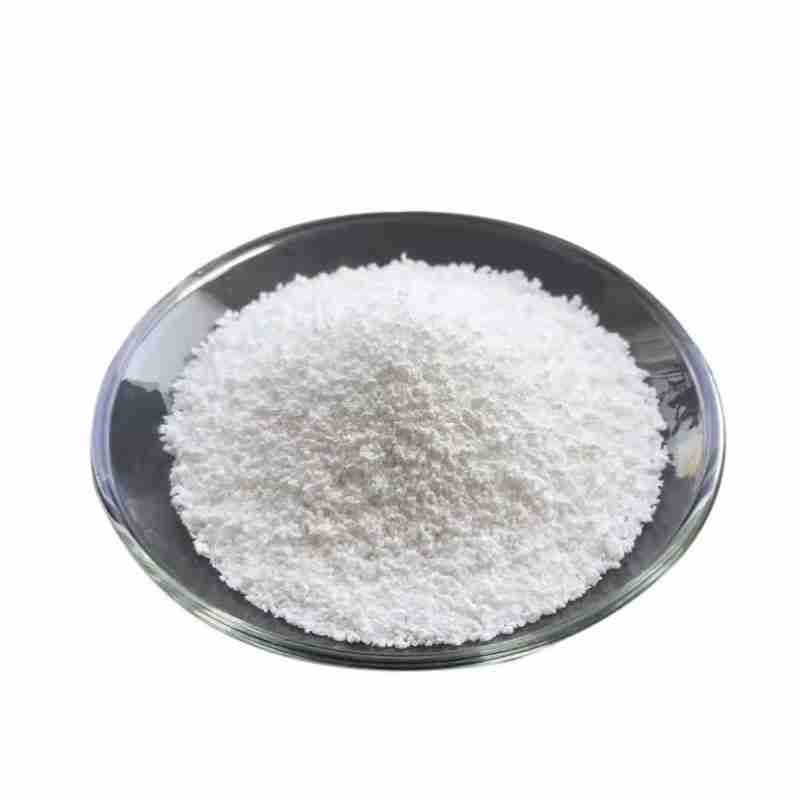
Polyvinyl chloride CAS#9002-86-2


Polyvinyl chloride is a white or light yellow powder. Low molecular weight soluble in ketones, esters and chlorinated hydrocarbon solvents. High molecular weight is difficult to dissolve. Its products are used in light industry, building materials, agriculture, daily life, packaging, electricity and other fields, PVC applications are extremely wide, from building materials to automobile manufacturing, children’s toys, from industrial and agricultural products to daily necessities, involving all walks of life, all aspects.
Polyvinyl chloride CAS#9002-86-2
Polyvinyl chloride resin is a typical product of thermoplastic general purpose plastics. It is formed by polymerization of vinyl chloride (CH2 = CHCI). There are two kinds of soft resins with plasticizers (phthalates) and hard resins without plasticizers. The specific gravity of hard PVC is between 1.35 and 1.45, and the specific gravity of soft PVC is 1.16 to 1.35. The heat resistance temperature is only 49 ?? C ~ 71 ?? C and 66 ?? C ~ 79 ?? C respectively, which are very low, not easy to burn, and good electrical insulation performance. Often used in wire sheath insulation material, film, sheet, vinylon brick, LP record, pipe, etc., in addition to the car mat, raincoat and coating seasoning. Due to the poor heat resistance and weather resistance of the resin, the performance will deteriorate and yellowing under the action of ultraviolet light and heat, and various improvements are being made.
Polyvinyl chloride can also form copolymers with other resins. For example, the copolymer generated with polystyrene can improve the impact resistance strength; The copolymer formed with polypropylene can also improve the impact strength; The copolymer formed with acrylonitrile can improve the tensile strength and be used as the raw material of synthetic fiber. The copolymer formed with Vinylnylon acetate can reduce the melting viscosity and improve the formability of the material. The biggest problem with PVC is the disposal of its waste, which releases chlorine gas when it is burned.
Polyvinyl chloride has abundant raw materials, low price, good performance and wide use. When PVC is used as a plastic, various additives are often added according to different performance purposes, such as stabilizers, plasticizers, lubricants, fillers and pigments. Hard PVC plastic can manufacture a variety of devices and profiles, often processed chemical production of corrosion-resistant pipes, valves, ventilation equipment, as well as window frames, furniture, agricultural products. The plasticized soft PVC can be used for wire, cable and hose. The rolled film can be made into daily necessities such as raincoats, toys and used as packaging materials and agricultural heating shed covering materials. Foam PVC can be used to make plastic floors, soles, life-saving equipment and insulation and sound insulation materials. PVC foam leather can be used as a substitute for leather, imitation leather jacket, sandals and so on. PVC thermoplastic elastomer can be used for sealing materials such as car shields, bushings and container doors. PVC fiber (also known as chlorlon) can be made of work clothes, filter cloth, carpet, tent, etc., made of knitted underwear has a certain auxiliary effect on rheumatoid arthritis.
Related Products
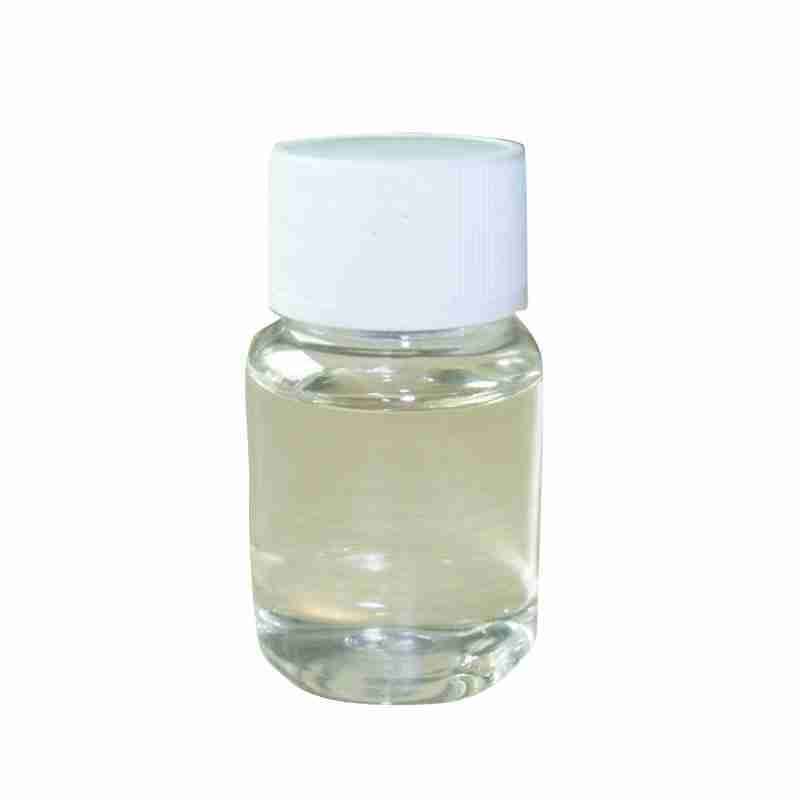
3,4-Ethylenedioxythiophene is a synthetic organic compound characterized by its unique structure that includes a thiophene ring with ethylenedioxy substituents at the 3 and 4 positions. This compound is known for its potential applications in the synthesis of various organic materials, including pharmaceuticals and organic electronic devices such as sensors and solar cells. Its stability and reactivity make it a versatile intermediate in the chemical industry.
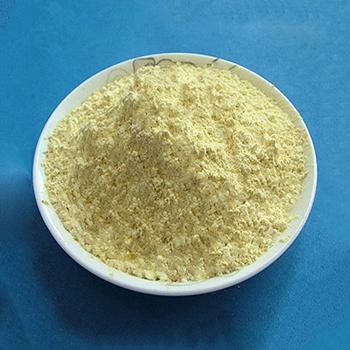
Product name:HYDROXYPROPYL GUAR HYDROXYPROPYLTRIMONIUM CHLORIDE
Purity:99%
Appearance:Light Yellow Powder
Package:Customized according to customer needs.
Sample:Available
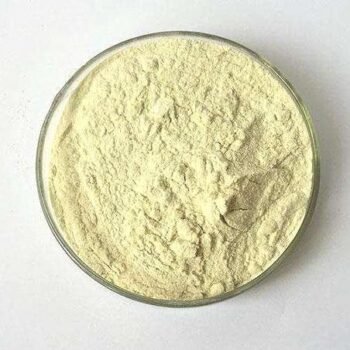
Chemical Name: o-Xylene
Synonyms: 1,2-Dimethylbenzene; ortho-xylene
CAS No.: 95-47-6
Molecular Formula: C8H10
Molecular Weight: 106.17

Terpene resin is a type of natural resin derived from terpenes, which are organic compounds found in various plants. It is known for its aromatic properties and is commonly used in the production of fragrances, flavorings, and as a component in adhesives and coatings within the chemical industry. Terpene resin offers a range of benefits, including enhancing the solubility of essential oils and providing a stable base for various applications. Its natural origin makes it a preferred choice for eco-friendly products.
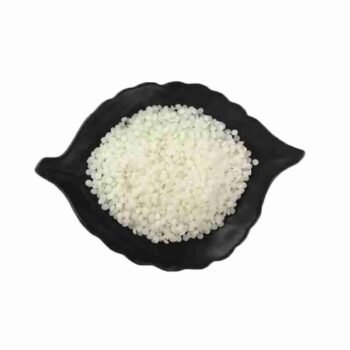
Tetraacetylethylenediamine is a fully acetylated derivative of ethylenediamine, offering a high reactivity as an intermediate in organic synthesis. Its unique structure makes it a critical component in the production of specialty chemicals and pharmaceuticals, ensuring a wide range of applications in the chemical industry.
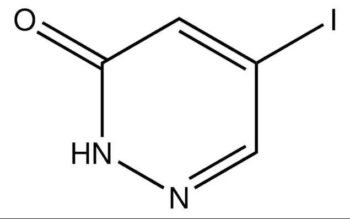
Common English name: 5-iodo-2,3-dihydropyridazin-3-one
CAS No.: 825633-94-1
Molecular formula: C4H3IN2O
Molecular weight: 221.98
Sample: Available

Butylated Hydroxytoluene (BHT) is a synthetic phenolic antioxidant commonly added to foods, cosmetics, and packaging to prevent the oxidation of fats and oils, thereby extending their shelf life. It is also used as a preservative in a variety of products, including rubber, petroleum products, and animal feed. BHT is recognized for its effectiveness in maintaining nutrient levels, color, flavor, and odor in food products . It is known to have a melting point of 69-71??C, a boiling point of 265??C, and is soluble in ethanol, acetone, and benzene, but not in water, glycerin, or propylene glycol . BHT is also used in some dietary supplements due to its antioxidant properties . However, it is important to handle BHT with care, as it can cause skin irritation and is considered harmful if swallowed .
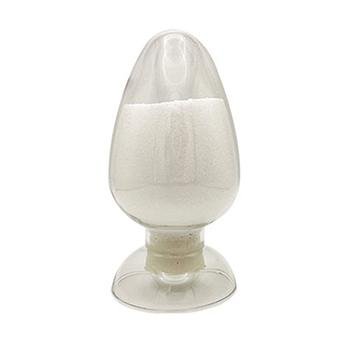
Chemical Name: Imazalil Sulfate
CAS No.: 58594-72-2
Molecular Formula: C14H14Cl2N2O.H2SO4
Molecular Weight: 395.26
Appearance: Solid
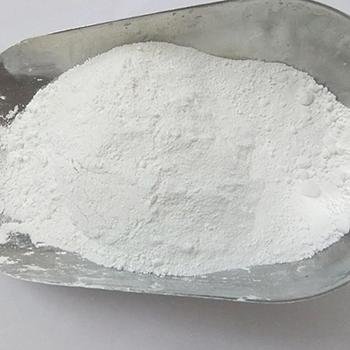
Product name:Cyclopentane
Purity:96%
Appearance:White powder
Package:25kg/bag
Sample:Available

Chemical Name: Zinc citrate
Synonyms: Zinc citrate trihydrate
CAS No.: 546-46-3
Molecular Formula: C6H8O7Zn
Molecular Weight: 257.5
Appearance: White powder

Ethylhexyl Palmitate is a skin-conditioning ester, derived from ethylhexanol and palmitic acid, that imparts moisturization and a smooth texture to cosmetic and personal care formulations. It is valued for its emollient properties, enhancing the sensory experience of skin care products.

Chemical Name: 1,1,2,2-Tetrachloroethane
Other Name: Tetrachlorethane
CAS No.: 79-34-5
Molecular Formula: C2H2Cl4
Molecular Weight: 167.85
Appearance: Liquid


