

Osthole CAS# 484-12-8


Osthole belongs to coumarin compounds. It is prismatic-like crystals (diethyl ether) and needle-like crystals (Ethanol) with the melting point being 83~84 ?? and the boiling point being 145~150 ??. It is soluble in alkaline solution, methanol, ethanol, chloroform, acetone, ethyl acetate, and boiling petroleum ether but insoluble in water and petroleum ether.
Osthole has various kinds of effects of antispasmodic, hypotensive, anti-arrhythmic and enhancing immune function and broad-spectrum antimicrobial effect. Osthole can not only have efficacy such as anti-hypertensive, anti-arrhythmic, anti-inflammatory, anti-tumor and anti-osteoporosis effect, but can also act as a new type of biological pesticides with significant efficacy in treating pests and plant pathogens.
Osthole CAS# 484-12-8
| Osthole Basic information |
| Plant extracts?Physical and Chemical Properties?Pharmacological effects?Botanical insecticides |
| Product Name: | Osthole |
| Synonyms: | Cnidiumfruitextract;Osthol/Osthole;Cnidium;OSTHOLE(P);Epiandrosterone, 99%, HPLC;Cnidiumlactone??Osthol;7-Methoxy-8-prenyl-2H-1-benzopyran-2-one;7-Methoxy-8-(3-methyl-2-buten-1-yl)-2H-chromen-2-one |
| CAS: | 484-12-8 |
| MF: | C15H16O3 |
| MW: | 244.29 |
| EINECS: | 1532714-185-1 |
| Product Categories: | natural product;chemical reagent;pharmaceutical intermediate;phytochemical;reference standards from Chinese medicinal herbs (TCM).;standardized herbal extract;Inhibitors;Herb extract;Plant extract;Natural Plant Extract;Steroids;Standard extract |
| Mol File: | 484-12-8.mol |
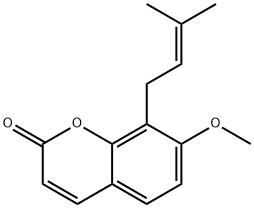 |
|
| Osthole Chemical Properties |
| Melting point | 83-84??C |
| Boiling point | 347.2??C (rough estimate) |
| density | 1.1263 (rough estimate) |
| refractive index | 1.5570 (estimate) |
| storage temp. | Sealed in dry,2-8??C |
| solubility | methanol: soluble10mg/mL, clear, colorless |
| form | powder |
| color | white |
| Odor | at 100.00 %. dry musty herbal |
| Odor Type | dry |
| Water Solubility | 12mg/L(25 oC) |
| ??max | 322nm(MeOH)(lit.) |
| Merck | 14,6895 |
| InChIKey | MBRLOUHOWLUMFF-UHFFFAOYSA-N |
| LogP | 3.686 (est) |
| CAS DataBase Reference | 484-12-8(CAS DataBase Reference) |
| NIST Chemistry Reference | Osthole(484-12-8) |
| Safety Information |
| WGK Germany | 3 |
| RTECS | GN7700000 |
| HS Code | 29322090 |
| Hazardous Substances Data | 484-12-8(Hazardous Substances Data) |
Related Products

Hydroxytyrosol has anti-inflammatory effects, dilates blood vessels and antibacterial effects, can prevent atherosclerosis, can reduce the incidence of certain cancers (such as breast, prostate, endometrial, digestive tract); Due to its strong antioxidant activity and the effect of reducing the incidence of cancer, hydroxytyrosol has great prospects for medical use. Hydroxytyrosol is a tyrosol metabolite that is also found in olive oil and contains strong antioxidant propertie.
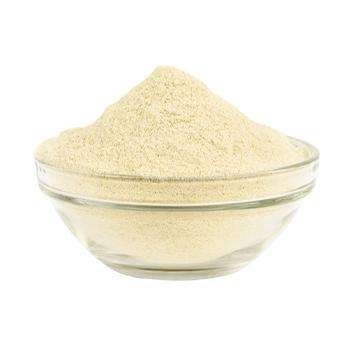
Chemical Name: Arabic gum
CAS No.: 9000-01-5
Appearance: powder
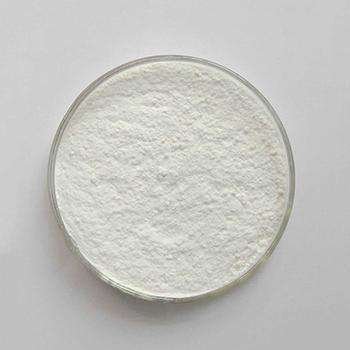
Chemical Name: Zinc citrate
Synonyms: Zinc citrate trihydrate
CAS No.: 546-46-3
Molecular Formula: C6H8O7Zn
Molecular Weight: 257.5
Appearance: White powder


Chemical Name: o-Xylene
Synonyms: 1,2-Dimethylbenzene; ortho-xylene
CAS No.: 95-47-6
Molecular Formula: C8H10
Molecular Weight: 106.17

Chemical Name:?Ptaquiloside
CAS No.: 87625-62-5
Molecular Formula: C20H30O8
Molecular Weight: 398.45
Appearance: White Powder

Chemical Name: Dehydrocholic acid
Synonyms: Acide dehydrocholique; Triketocholanic acid
CAS No.: 81-23-2
Molecular Formula: C24H34O5
Molecular Weight: 402.53
Appearance: Powder

Chemical Name: Reishi Mushroom Extract
CAS No.: /
Molecular Fomula: C16H23O15
Chemical Structure: /
Molecular weight: /
Appearance:Brown powder

Chemical Name: 1,1,2,2-Tetrachloroethane
Other Name: Tetrachlorethane
CAS No.: 79-34-5
Molecular Formula: C2H2Cl4
Molecular Weight: 167.85
Appearance: Liquid

Chemical Name: STODDARD SOLVENT
CAS No.: 64742-88-7
Appearance: Colorless or Light Yellow Liquid

Chemical Name:?Quassin
CAS No.: 76-78-8
Molecular Formula: C22H28O6
Molecular Weight: 388.45
Appearance: White Solid

Arbutin, a derivative of hydroquinone, is a naturally occurring compound extracted primarily from the bearberry plant (Arctostaphylos uva-ursi). It is renowned in the skincare industry for its skin lightening properties, making it a popular ingredient in cosmetic products designed to reduce hyperpigmentation and even out skin tone.
Chemically, arbutin is ??-glucosiduronic acid of hydroquinone, with the molecular formula C12H12O7. Its mechanism of action involves the inhibition of tyrosinase, a key enzyme in the melanin biosynthesis pathway. By reducing melanin production, arbutin effectively lightens the skin without the risk of irritation often associated with hydroquinone.
Arbutin is valued for its safety profile, as it is considered less irritating and more stable compared to other skin lightening agents. It is also known for its antioxidant properties, which contribute to its skin brightening effects and overall skin health benefits.
In summary, arbutin is a reliable and gentle alternative for skin lightening, offering a natural approach to reducing pigmentation issues while promoting a more radiant and even complexion. Its use in skincare formulations is favored for its efficacy and mildness, making it suitable for various skin types.


