
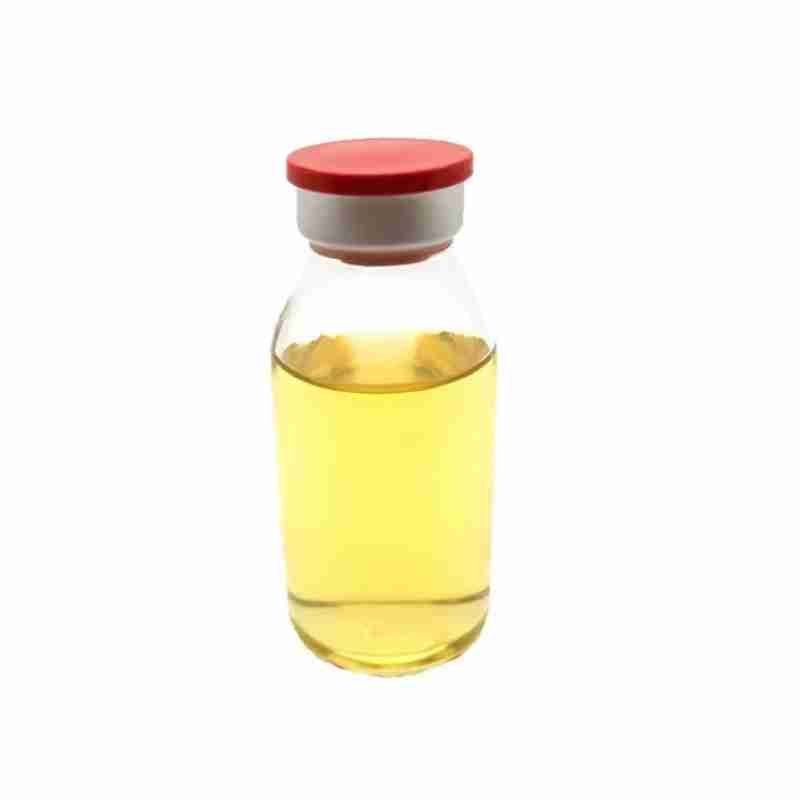
Olive oil CAS#8001-25-0


Olive Oil, with a Chemical Abstracts Service (CAS) number of 8001-25-0, is a natural fruit oil obtained from the olive tree. It is renowned for its rich flavor, nutritional benefits, and versatility in culinary uses.
Olive oil CAS#8001-25-0
Olive Oil (CAS# 8001-25-0), extracted from the fruit of the olive tree, is a golden-green liquid with a rich, fruity aroma and a distinctive taste. Packed with monounsaturated fats and antioxidants, it’s celebrated for its health benefits and culinary versatility. Ideal for cooking, baking, and as a base for dressings, it’s also valued in skincare and cosmetics for its moisturizing and anti-inflammatory properties. Our product meets international food safety standards and is available in various packaging options, with customization available to suit specific needs. For orders or inquiries, please reach out to our sales team.
| Olive oil Chemical Properties |
| density | 0.9135 |
| vapor density | >1 (vs air) |
| FEMA | 4801 | OLIVE FRUIT EXTRACT |
| refractive index | 1.467-1.471 |
| Fp | 225 ??C |
| storage temp. | room temp |
| solubility | Slightly soluble in ethanol (95%); miscible with ether, chloroform, light petroleum (50?C70??C), and carbon disulfide. |
| form | Viscous Liquid |
| Specific Gravity | 0.912 (20/4??) |
| color | Yellow |
| Odor | pleasing, delicate flavor |
| Odor Type | green |
| Water Solubility | Insoluble in water |
| EPA Substance Registry System | Olive oil (8001-25-0) |
| Safety Information |
| Hazard Codes | Xi |
| Risk Statements | 38 |
| Safety Statements | 24/25 |
| WGK Germany | nwg |
| RTECS | RK4300000 |
| Autoignition Temperature | 343??C |
| HS Code | 15099000 |
| Hazardous Substances Data | 8001-25-0(Hazardous Substances Data) |
| Toxicity | skn-hmn 300 mg/3D-I MLD 85DKA8 -,127,77 |
?
Related Products
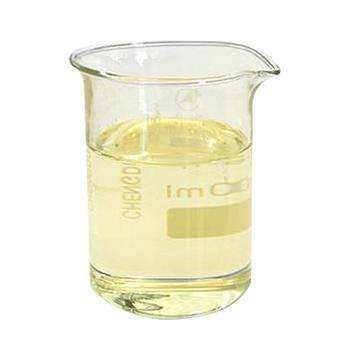
Chemical Name: Potassium Castorate
CAS No.: 8013-05-6
Molecular Formula: C57H107K3O12
Molecular Weight: 1101.74718
Appearance: Yellow Liquid

Chemical Name:?Quassin
CAS No.: 76-78-8
Molecular Formula: C22H28O6
Molecular Weight: 388.45
Appearance: White Solid

Chemical Name:?Ptaquiloside
CAS No.: 87625-62-5
Molecular Formula: C20H30O8
Molecular Weight: 398.45
Appearance: White Powder

Chemical Name: 1,1,2,2-Tetrachloroethane
Other Name: Tetrachlorethane
CAS No.: 79-34-5
Molecular Formula: C2H2Cl4
Molecular Weight: 167.85
Appearance: Liquid
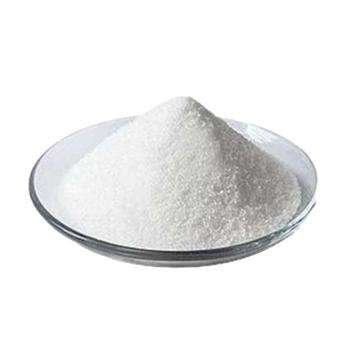
Chemical Name: 3-Hydroxybutyric acid
CAS No.: 625-71-8
Molecular Formula: C4H8O3
Molecular Weight: 104.1
Appearance: White powder

Chemical Name: Oxyresveratrol
Synonyms: trans-Oxyresveratrol
CAS No.: 29700-22-9
Molecular Fomula: C14H12O4
Molecular weight: 244.24
Appearance: White to light yellow powder
Assay: 98%
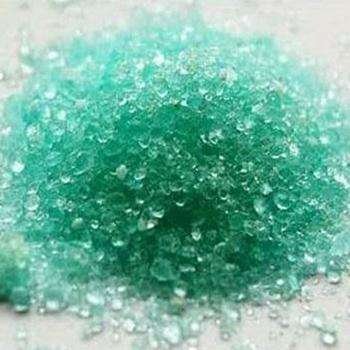
Chemical Name: Ammonium Iron(II) Sulfate
Synonyms: Diammonium iron bis(sulphate); iron (ii) ammonium sulfate
CAS No.: 10045-89-3
Molecular Formula: FeH5NO4S
Molecular Weight: 170.95

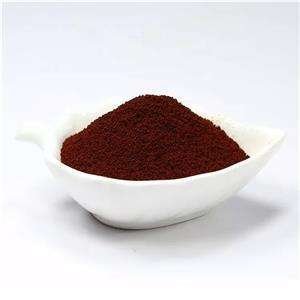
Chemical Name: Ashwagandha Extract
Synonyms: Withania somnifera, ext.; Withania Somnefera Extract
CAS: 90147-43-6
Appearance: Brown
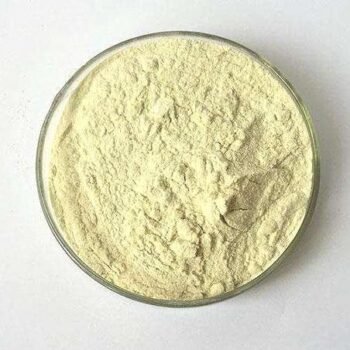
Chemical Name: Choline salicylate
CAS No.: 2016-36-6
Molecular Formula: C12H19NO4
Molecular Weight: 241.28
Appearance: Red-Brown Crystal
Chemical Name: o-Xylene
Synonyms: 1,2-Dimethylbenzene; ortho-xylene
CAS No.: 95-47-6
Molecular Formula: C8H10
Molecular Weight: 106.17

Huperzine A is a natural plant extract. Compared with similar AD treatment drugs approved by the US FDA, Huperzine A has a unique chemical structure and has extremely high selectivity to inhibit acetylcholinesterase in the brain and enhance cholinergic in the brain. function of neurons. In addition, Huperzine A has obvious effects on improving memory and improving cognitive ability.
Huperzine A has a small relative molecular weight, high lipid solubility, and is easy to pass through the blood-brain barrier. After entering the central nervous system, it is mostly distributed in the frontal lobe, temporal lobe, hippocampus and other parts of the brain. Its pharmacological effects have multiple targets. In addition to inhibiting the activity of acetylcholinesterase, it can also antagonize oxidative stress and apoptosis induced by ??-amyloid peptide (A??), hydrogen peroxide and other neurotoxins, by activating the protein kinase C (PKC) signal transduction pathway. Activation of ??-secretase promotes the decomposition of ??-amyloid precursor protein (APP) in a non-amyloidogenic manner to produce sAPP??, reducing A??-mediated toxicity, while sAPP?? can effectively promote cell proliferation, axonal growth, and protect nerves. cell.


