
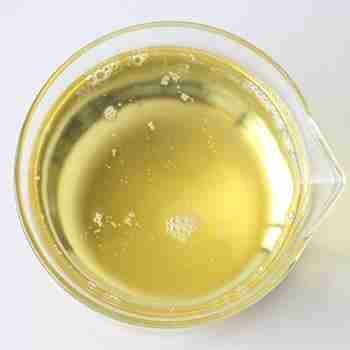

Description
Olive oil Quick Details
Chemical Name: Olive oilCAS No.: 8001-25-0Molecular Fomula: N/A
Typical Properties
ITEMS
SPECIFICATION
Appearance
Yellow viscous liquid
Refractive Index
1.467-1.471
Density
0.9135
Flash point
225 ??C
Application:
Used in the preparation of ointments, liniments, special fabric soaps, laxatives and choleretics, and also as a friction reducer
Packaging and Shipping?
Customized according to customer needs.
Storage
Store in a cool, dry place, tightly sealed.
Related Products
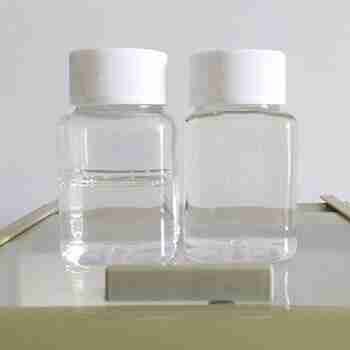
Chemical Name: Polyglycerol-10 decanoate
CAS No.: 145268-65-1
Appearance:?Colorless to light yellow viscous liquid
Assay: 98%
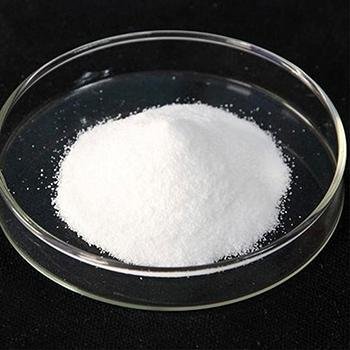
Chemical Name: UV-120
Other Name: (2’,4’-Di-tert-butylphenyl 3,5-di-tert-butyl-4-hydroxybenzoate)
CAS No.: 4221-80-1
Molecular Fomula: C29H42O3
Molecular weight: 438.66
Assay: ≥99%(LC)
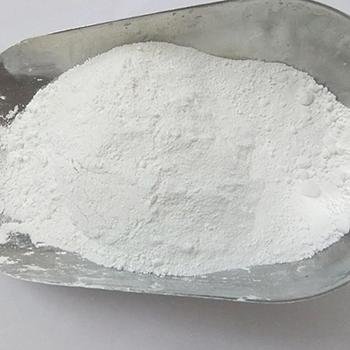
Product name:Cyclopentane
Purity:96%
Appearance:White powder
Package:25kg/bag
Sample:Available
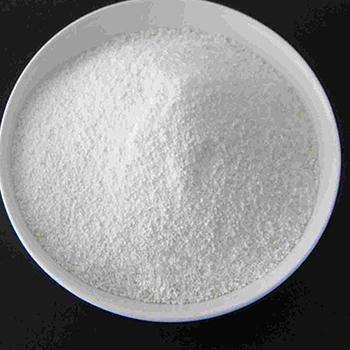
Chemical Name: Dehydrocholic acid
Synonyms: Acide dehydrocholique; Triketocholanic acid
CAS No.: 81-23-2
Molecular Formula: C24H34O5
Molecular Weight: 402.53
Appearance: Powder
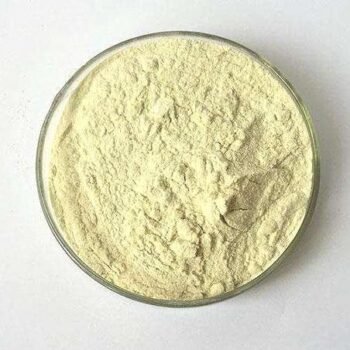
Chemical Name: o-Xylene
Synonyms: 1,2-Dimethylbenzene; ortho-xylene
CAS No.: 95-47-6
Molecular Formula: C8H10
Molecular Weight: 106.17
Hydrogenated lecithin is light yellow or milky white powder. Due to the use of catalysis and hydrogenation processes, the unsaturated chains of unsaturated fatty acids in the molecular structure of soybean lecithin disappear, thereby greatly improving the chemical stability, dispersibility, and emulsification of lecithin. It has decolorization and deodorization effects, which is more conducive to storage and preservation, and improves its role in medicine, high-end cosmetics, and light industry. It is especially suitable for intravenous fat emulsifiers and nutrients. It is used as a blood lipid emulsifier to prevent arteriosclerosis, and has the advantages of being easy to digest, easy to absorb, and almost not remaining in the internal organs.
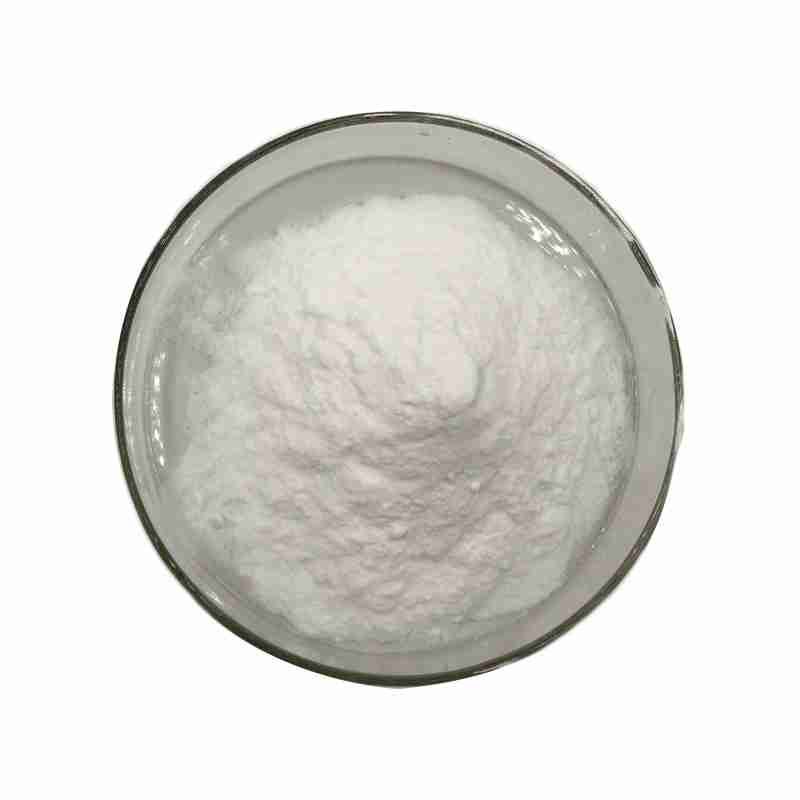
Monostearin is a versatile emulsifier and emollient derived from glycerol and stearic acid. It is instrumental in stabilizing emulsions and enhancing the texture and consistency of a wide range of products in the cosmetics, food, and pharmaceutical sectors.

Chemical Name: Zinc citrate
Synonyms: Zinc citrate trihydrate
CAS No.: 546-46-3
Molecular Formula: C6H8O7Zn
Molecular Weight: 257.5
Appearance: White powder
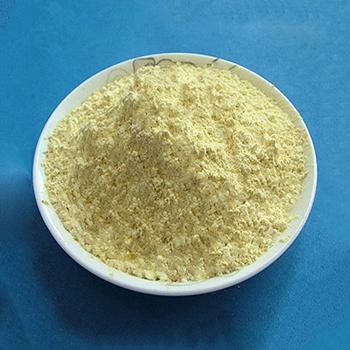
Product name:HYDROXYPROPYL GUAR HYDROXYPROPYLTRIMONIUM CHLORIDE
Purity:99%
Appearance:Light Yellow Powder
Package:Customized according to customer needs.
Sample:Available
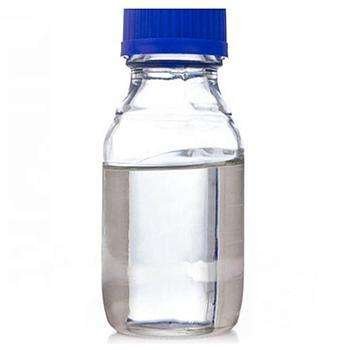
Chemical Name: STODDARD SOLVENT
CAS No.: 64742-88-7
Appearance: Colorless or Light Yellow Liquid
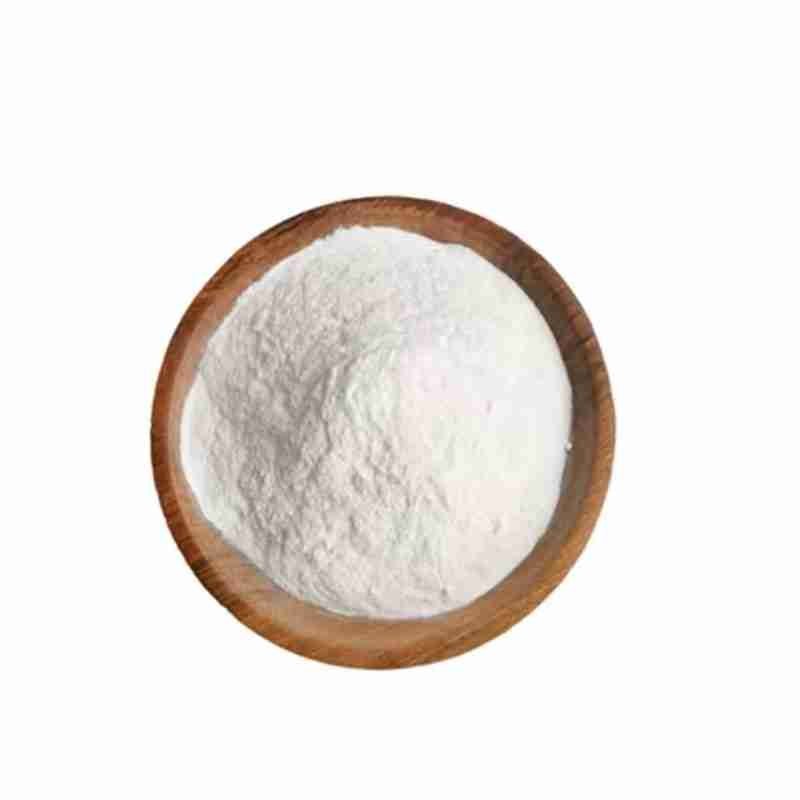
Microcrystalline cellulose is a purified, partially depolymerized cellulose that occurs as a white, odorless, tasteless, crystalline powder composed of porous particles. It is commercially available in different particle sizes and moisture grades that have different properties and applications.
Microcrystalline cellulose and carboxymethylcellulose sodium occurs as a white or off-white odorless and tasteless hygroscopic powder containing 5?C22% sodium carboxymethylcellulose. It is a water-dispersible organic hydrocolloid.
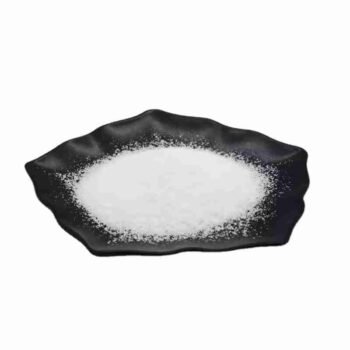
Citric acid is a white, crystalline, weak organic acid present in most plants and many animals as an intermediate in cellular respiration. Citric acid contains three carboxyl groups making it a carboxylic, more specifically a tricarboxylic, acid.the name citrus originates from the Greek kedromelon meaning apple of melon for the fruit citron. Greek works mention kitron, kitrion, or kitreos for citron fruit, which is an oblong fruit several inches long from the scrublike tree Citrus medica. Lemons and limes have high citric acid content, which may account for up to 8% of the fruit’s dry weight.



Reviews
There are no reviews yet.