
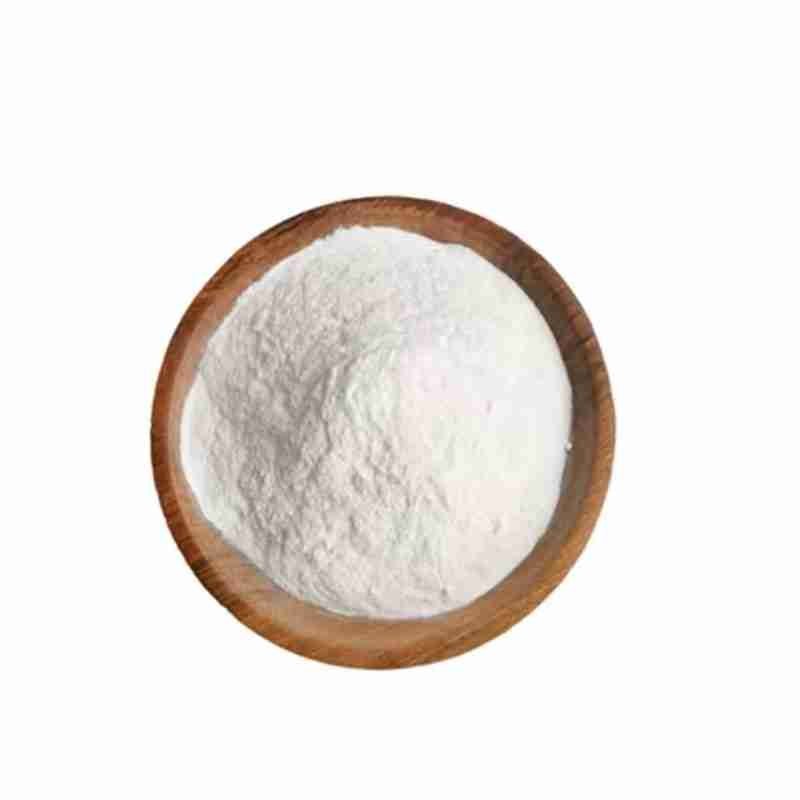
Microcrystalline Cellulose CAS #9004-34-6 MCC
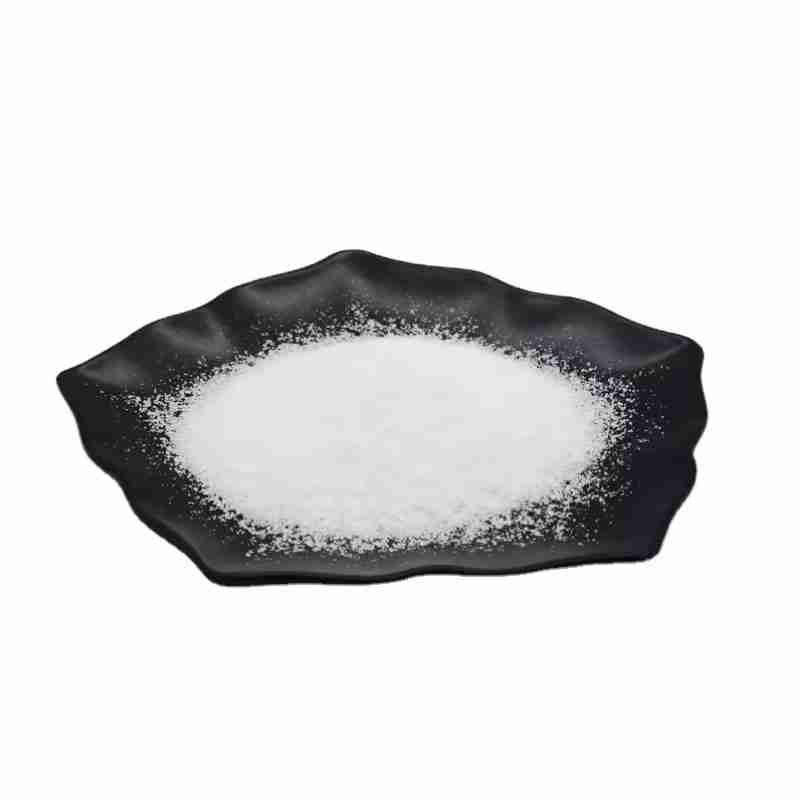

Microcrystalline cellulose is a purified, partially depolymerized cellulose that occurs as a white, odorless, tasteless, crystalline powder composed of porous particles. It is commercially available in different particle sizes and moisture grades that have different properties and applications.
Microcrystalline cellulose and carboxymethylcellulose sodium occurs as a white or off-white odorless and tasteless hygroscopic powder containing 5?C22% sodium carboxymethylcellulose. It is a water-dispersible organic hydrocolloid.
Microcrystalline Cellulose CAS #9004-34-6 MCC
| Microcrystalline cellulose Basic information |
| Product Name: | Microcrystalline cellulose |
| Synonyms: | AVICEL PH 105(R);”AVICEL(R)”;AVICEL SF;AVIRIN;HYCIL 102 MICROCRYSTALLINE CELLULOSE;CELLULOSE DFS-O;CELLULOSE ION EXCHANGER;ALPHA-CELLULOSE |
| CAS: | 9004-34-6 |
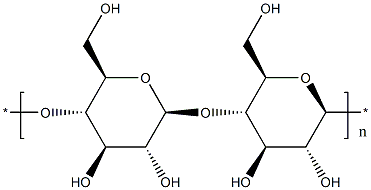
| MF: | (C12H20O10)n |
| MW: | 324.28 |
| EINECS: | 232-674-9 |
| Product Categories: | CarbohydrateSerum-free Media;Companion Products and Reagents;Insect Platform;Metabolic Pathways;Metabolites and Cofactors on the Metabolic Pathways Chart;Nutritional Supplements;Carbohydrate;Cellulose;Materials Science;Natural Polymers;Polymer Science;Polymers;API;9004-34-6 |
| Mol File: | 9004-34-6.mol |
 |
|
| Microcrystalline cellulose Chemical Properties |
| Melting point | 76-78 ??C(Solv: acetone (67-64-1); chloroform (67-66-3)) |
| density | 1.5 g/cm3 (20??) |
| refractive index | n20/D 1.504 |
| Fp | 164???C |
| storage temp. | room temp |
| solubility | Practically insoluble in water, in acetone, in anhydrous ethanol, in toluene, in dilute acids and in a 50 g/L solution of sodium hydroxide |
| form | powder |
| color | White or almost white |
| PH | 5-7.5 (100g/l, H2O, 20??)(slurry) |
| Odor | Odorless |
| Water Solubility | insoluble |
| Merck | 14,1965 |
| Exposure limits | ACGIH: TWA 10 mg/m3 OSHA: TWA 15 mg/m3; TWA 5 mg/m3 NIOSH: TWA 10 mg/m3; TWA 5 mg/m3; TWA 1 mg/m3 |
| Dielectric constant | 3.2??Ambient?? |
| Stability: | Stable. Combustible. Incompatible with strong oxidizing agents. |
| InChIKey | UFHFLCQGNIYNRP-UHFFFAOYSA-N |
| EPA Substance Registry System | Cellulose (9004-34-6) |
Related Products
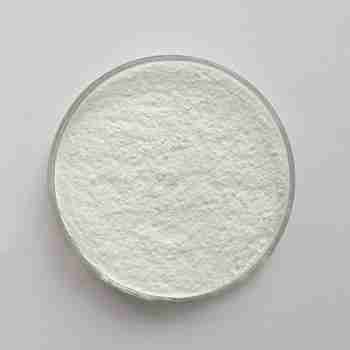
Chemical Name: Zinc citrate
Synonyms: Zinc citrate trihydrate
CAS No.: 546-46-3
Molecular Formula: C6H8O7Zn
Molecular Weight: 257.5
Appearance: White powder
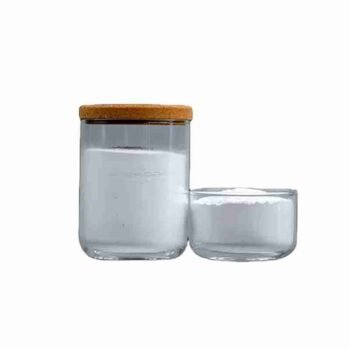
Hydrogenated lecithin is light yellow or milky white powder. Due to the use of catalysis and hydrogenation processes, the unsaturated chains of unsaturated fatty acids in the molecular structure of soybean lecithin disappear, thereby greatly improving the chemical stability, dispersibility, and emulsification of lecithin. It has decolorization and deodorization effects, which is more conducive to storage and preservation, and improves its role in medicine, high-end cosmetics, and light industry. It is especially suitable for intravenous fat emulsifiers and nutrients. It is used as a blood lipid emulsifier to prevent arteriosclerosis, and has the advantages of being easy to digest, easy to absorb, and almost not remaining in the internal organs.
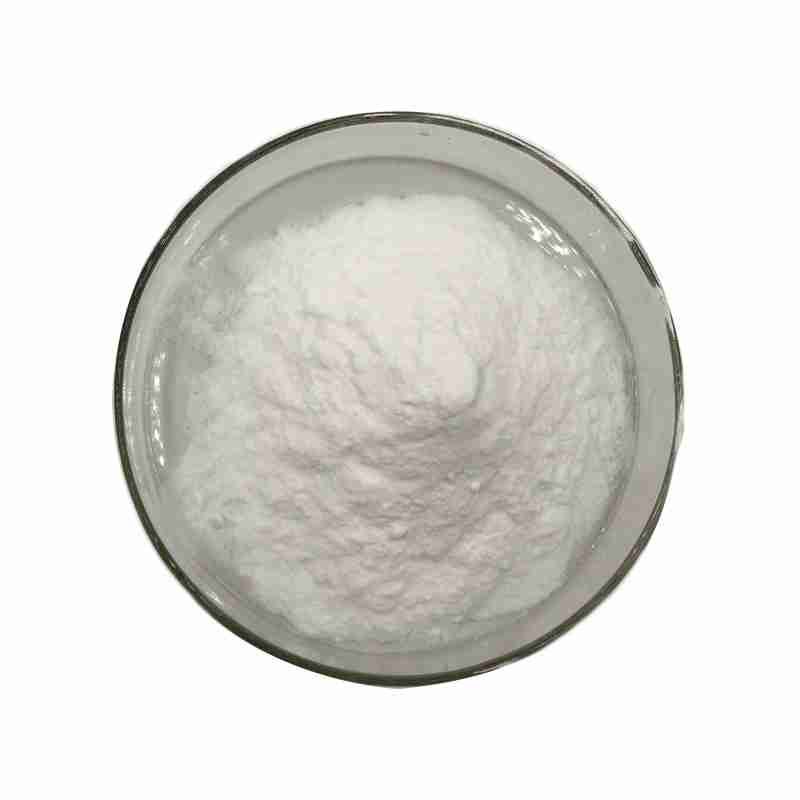
Monostearin is a versatile emulsifier and emollient derived from glycerol and stearic acid. It is instrumental in stabilizing emulsions and enhancing the texture and consistency of a wide range of products in the cosmetics, food, and pharmaceutical sectors.
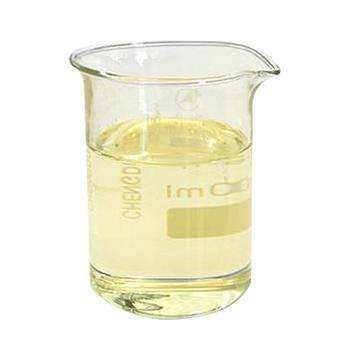
Chemical Name: Potassium Castorate
CAS No.: 8013-05-6
Molecular Formula: C57H107K3O12
Molecular Weight: 1101.74718
Appearance: Yellow Liquid
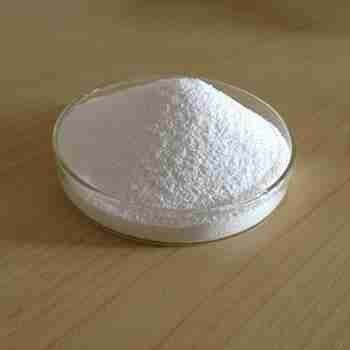
Chemical Name: Hydroxypropyl starch
Synonyms: Starch 2-hydroxypropyl ether; Hydroxypropyl starch ether; 2-Hydroxypropyl starch
Cas No.: 9049-76-7
Molecular Fomula: C24H42O21
Molecular Weight: 666.57768
Appearance:?White Powder
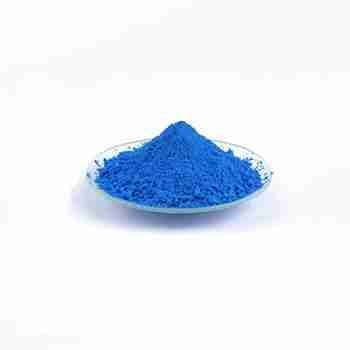
Chemical Name: COPPER (II) GLUCONATE, MIN. 98
CAS No.: 13005-35-1
Molecular Fomula: C12H22CuO14
Molecular weight: 453.84068
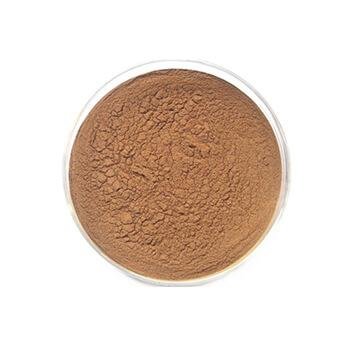
Chemical Name: Ashwagandha Extract
Synonyms: Withania somnifera, ext.; Withania Somnefera Extract
CAS: 90147-43-6
Appearance: Brown
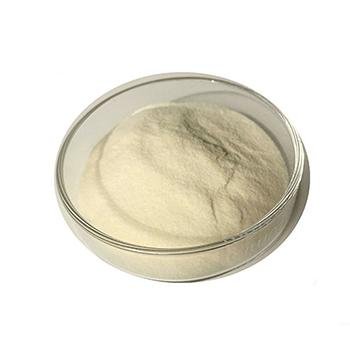
Chemical Name: Quercetin-3-O-sophoroside
CAS No.: 18609-17-1
Molecular Formula: C27H30O17
Molecular Weight: 626.52
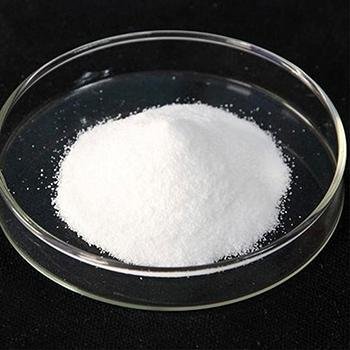
Chemical Name: UV-120
Other Name: (2’,4’-Di-tert-butylphenyl 3,5-di-tert-butyl-4-hydroxybenzoate)
CAS No.: 4221-80-1
Molecular Fomula: C29H42O3
Molecular weight: 438.66
Assay: ≥99%(LC)
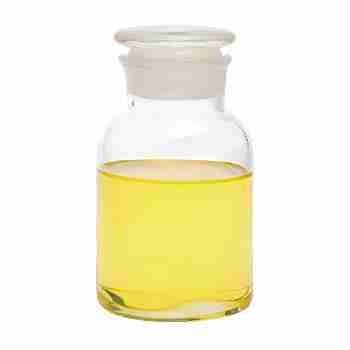
Chemical Name: Sunflower oil
Synonyms: Organic Sunflower Oil; Helianthus annuus oil
CAS No.: 8001-21-6
Appearance:?Yellow Liquid
Assay: ??99.0%
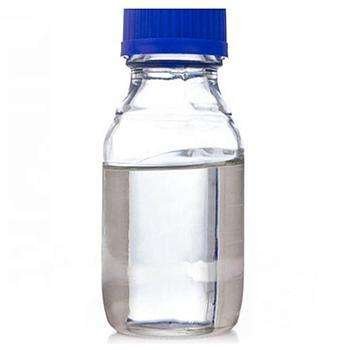
Chemical Name: STODDARD SOLVENT
CAS No.: 64742-88-7
Appearance: Colorless or Light Yellow Liquid
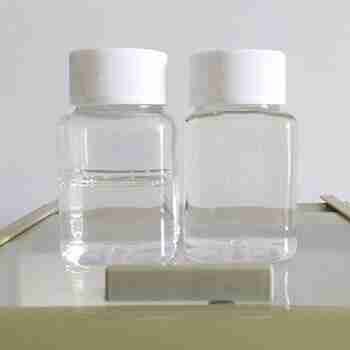
Chemical Name: Polyglycerol-10 decanoate
CAS No.: 145268-65-1
Appearance:?Colorless to light yellow viscous liquid
Assay: 98%


