
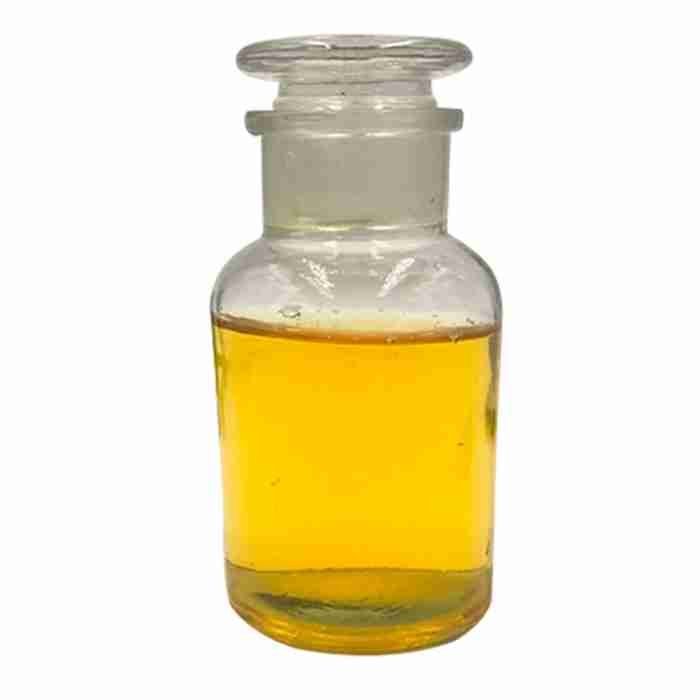
Methylcyclopentadienyl manganese tricarbonyl CAS#12108-13-3
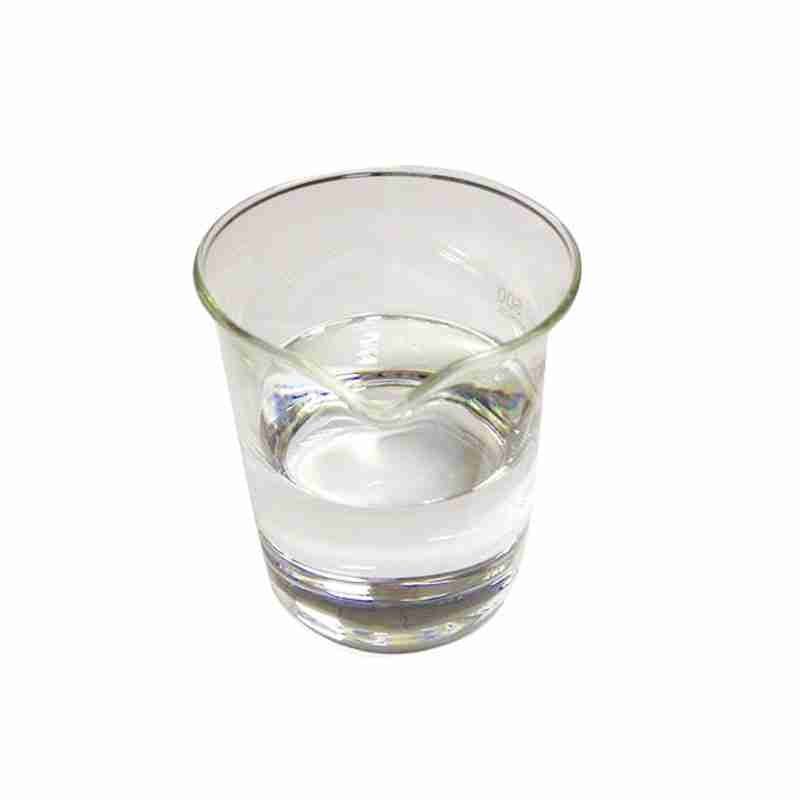
Methylcyclopentadienyl manganese tricarbonyl, commonly referred to as Mn2(CO)10 or simply as “manganese carbonyl,” is an organometallic compound with the molecular formula C5H5MnO3. It is a dark brown to black crystalline solid that is highly sensitive to air and moisture due to its reactivity.
This compound is characterized by its cyclic structure, where a methyl group is attached to a cyclopentadienyl ring that is bonded to a manganese atom. The manganese atom is further coordinated by three carbonyl groups, which are essential to the stability of the molecule.
Mn2(CO)10 is used in various applications, including as a precursor in the synthesis of other organometallic compounds and in the production of specialty chemicals and materials. It is also utilized in the pharmaceutical industry for the synthesis of complex organic molecules and as a catalyst in certain chemical reactions.
The compound is known for its volatility and must be handled with care under an inert atmosphere to prevent decomposition. Its industrial applications are limited by its toxicity and the need for specialized handling procedures.
In summary, methylcyclopentadienyl manganese tricarbonyl is a versatile organometallic compound with a range of applications in chemical synthesis and industry. Its unique structure and reactivity make it a valuable yet challenging compound to work with in scientific and industrial settings.
| Methylcyclopentadienyl manganese tricarbonyl Chemical Properties |
| Melting point | -1 ??C (lit.) |
| Boiling point | 232-233 ??C (lit.) |
| density | 1.38 g/mL at 25 ??C (lit.) |
| vapor density | >1 (vs air) |
| vapor pressure | 0.05 mm Hg ( 20 ??C) |
| refractive index | n20/D 1.584(lit.) |
| Fp | 205???F |
| storage temp. | Poison room |
| form | liquid |
| color | yellow |
| Specific Gravity | 1.388 |
| Water Solubility | Insoluble in water. Soluble in hydrocarbon solvents, alcohols, ether, acetone |
| Sensitive | Air Sensitive |
| Merck | 14,6223 |
| Exposure limits | ACGIH: TWA 0.2 mg/m3 (Skin) OSHA: Ceiling 5 mg/m3 NIOSH: IDLH 500 mg/m3; TWA 0.2 mg/m3; TWA 1 mg/m3; STEL 3 mg/m3 |
| Stability: | Stable. Incompatible with strong oxidizing agents. |
| InChIKey | LYHJNAIHGFWRKM-UHFFFAOYSA-N |
| LogP | 3.4 at 26?? |
| CAS DataBase Reference | 12108-13-3(CAS DataBase Reference) |
| EPA Substance Registry System | Methylcyclopentadienyl manganese tricarbonyl (12108-13-3) |
| Safety Information |
| Hazard Codes | T,N,T+ |
| Risk Statements | 23/24/25-40-50/53-48/23-38-26-24/25 |
| Safety Statements | 23-26-36/37/39-45-61-60-36/37-28 |
| RIDADR | UN 3281 6.1/PG 2 |
| OEB | C |
| OEL | TWA: 0.2 mg/m3 [skin] |
| WGK Germany | 3 |
| RTECS | OP1450000 |
| TSCA | Yes |
| HazardClass | 6.1 |
| PackingGroup | II |
| Hazardous Substances Data | 12108-13-3(Hazardous Substances Data) |
| Toxicity | LD50 orally in mice, guinea pig, rabbit: 352; 905; 95 mg/kg; orally in male, female rats: 175 ??33; 89 ??14; LC50 inhalation in rat: 0.22 mg/l (Stara) |
Related Products
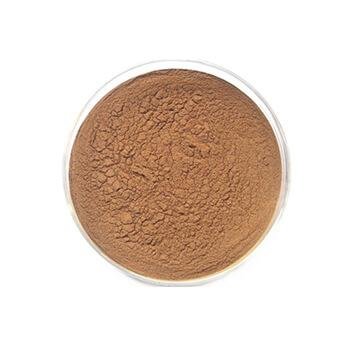
Chemical Name: Ashwagandha Extract
Synonyms: Withania somnifera, ext.; Withania Somnefera Extract
CAS: 90147-43-6
Appearance: Brown

N,N-Dimethylaniline is an organic compound with amine and methyl groups attached to a benzene ring. It is a colorless liquid with a characteristic amine odor. This compound is primarily used as a chemical intermediate in the synthesis of dyes, pigments, and polymers. Its reactivity makes it a valuable building block in the production of various organic compounds, particularly in the pharmaceutical and chemical industries.

Chemical Name: Choline salicylate
CAS No.: 2016-36-6
Molecular Formula: C12H19NO4
Molecular Weight: 241.28
Appearance: Red-Brown Crystal
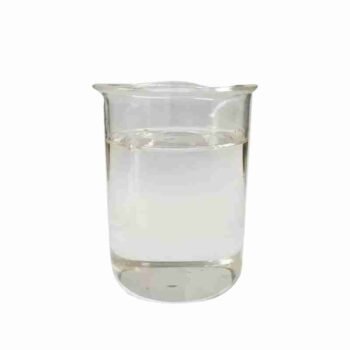
Silicone oil, known for its chemical designation as dimethicone or polydimethylsiloxane, is a synthetic polymer with a backbone of alternating silicon and oxygen atoms, creating a highly versatile and stable compound. It is renowned for its exceptional lubricating properties, heat resistance, and non-toxic nature, making it a staple in various industries, including cosmetics, automotive, and aerospace.
This hydrophobic, non-volatile oil is valued for its ability to provide a smooth, non-greasy feel and to form stable emulsions with other ingredients. In personal care products, silicone oil is used to impart a silky texture, reduce friction on the skin, and create a protective barrier against environmental stressors without clogging pores.
Silicone oil’s chemical inertness and resistance to oxidation contribute to its long shelf life and stability in formulations. It is also appreciated for its compatibility with a wide range of substances, allowing for the creation of multifunctional products.
In summary, silicone oil is a reliable and multifaceted ingredient, offering a combination of performance, safety, and sensory benefits. Its use in a variety of applications reflects its versatility and enduring appeal in the marketplace.
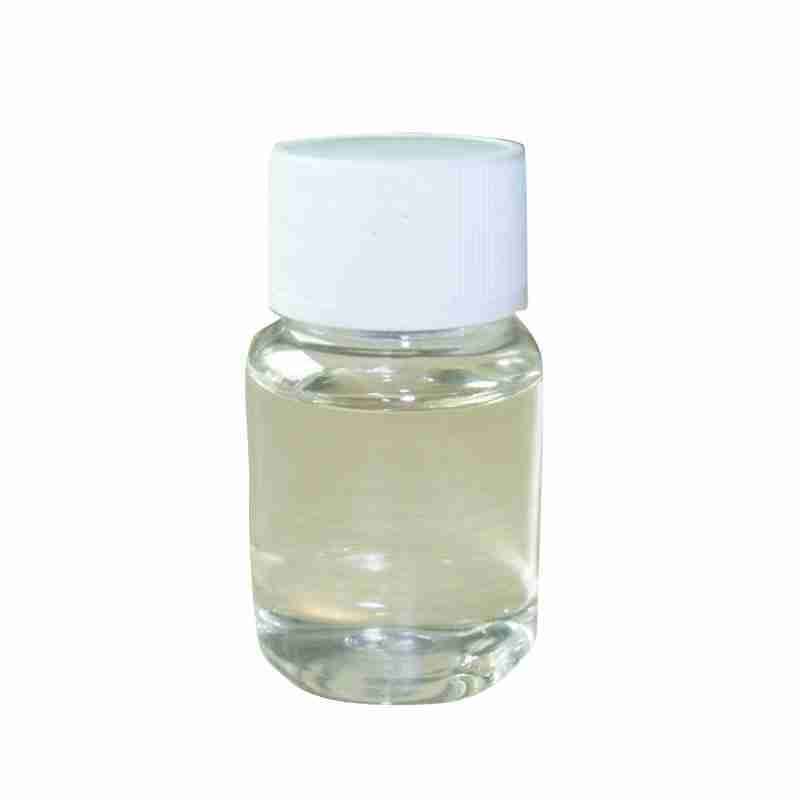
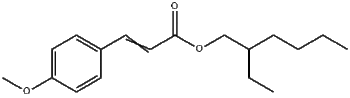
Octyl 4-methoxycinnamate, scientifically known as 2-Ethylhexyl 4-Methoxycinnamate, is a highly effective organic UV filter commonly used in the formulation of sunscreens and cosmetic products. This compound is renowned for its ability to absorb ultraviolet B (UVB) radiation, providing a reliable defense against the sun’s harmful effects on the skin.
Characterized by its chemical formula C19H28O3, Octyl 4-methoxycinnamate is a liquid ester that is readily soluble in organic solvents. It is valued for its photostability, which means it maintains its protective properties even after prolonged exposure to sunlight. This feature makes it an ideal ingredient for products designed to offer long-lasting sun protection.
In addition to its UVB absorption capabilities, Octyl 4-methoxycinnamate is also appreciated for its compatibility with other UV filters, allowing for the creation of broad-spectrum sunscreens. It contributes to the development of formulations that are non-greasy and cosmetically elegant, suitable for a variety of skin types.
As a key component in sun care products, Octyl 4-methoxycinnamate supports the skin’s health by preventing sunburn, reducing the risk of skin cancer, and delaying the signs of photoaging. Its safety profile and efficacy make it a preferred choice in the personal care and dermatological industries for sun protection solutions.

Chemical Name: Potassium Castorate
CAS No.: 8013-05-6
Molecular Formula: C57H107K3O12
Molecular Weight: 1101.74718
Appearance: Yellow Liquid

Chemical Name: 1,1,2,2-Tetrachloroethane
Other Name: Tetrachlorethane
CAS No.: 79-34-5
Molecular Formula: C2H2Cl4
Molecular Weight: 167.85
Appearance: Liquid
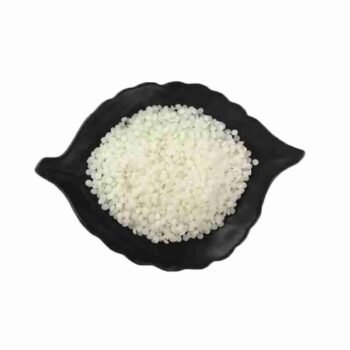
Tetraacetylethylenediamine is a fully acetylated derivative of ethylenediamine, offering a high reactivity as an intermediate in organic synthesis. Its unique structure makes it a critical component in the production of specialty chemicals and pharmaceuticals, ensuring a wide range of applications in the chemical industry.
3,4-Ethylenedioxythiophene is a synthetic organic compound characterized by its unique structure that includes a thiophene ring with ethylenedioxy substituents at the 3 and 4 positions. This compound is known for its potential applications in the synthesis of various organic materials, including pharmaceuticals and organic electronic devices such as sensors and solar cells. Its stability and reactivity make it a versatile intermediate in the chemical industry.

Chemical Name: Imazalil Sulfate
CAS No.: 58594-72-2
Molecular Formula: C14H14Cl2N2O.H2SO4
Molecular Weight: 395.26
Appearance: Solid

Succinimide is a heterocyclic organic compound and an important industrial chemical. It serves as a key intermediate in the synthesis of various pharmaceuticals, agrochemicals, and other specialty chemicals. Known for its reactivity and versatility, succinimide is widely used in the production of succinic anhydride, a precursor to many polymers and plasticizers, highlighting its significance in the chemical industry.

Benzothiazoles are a class of chemical compounds characterized by a fused benzene and thiazole ring. They exhibit a broad spectrum of applications, particularly as antioxidants in rubber and plastic industries, enhancing product longevity and performance. Additionally, benzothiazoles serve as key intermediates in the synthesis of pharmaceuticals, contributing to the development of life-saving drugs. Recognized for their stability and reactivity, these compounds are integral to advancing material science and healthcare solutions.


