
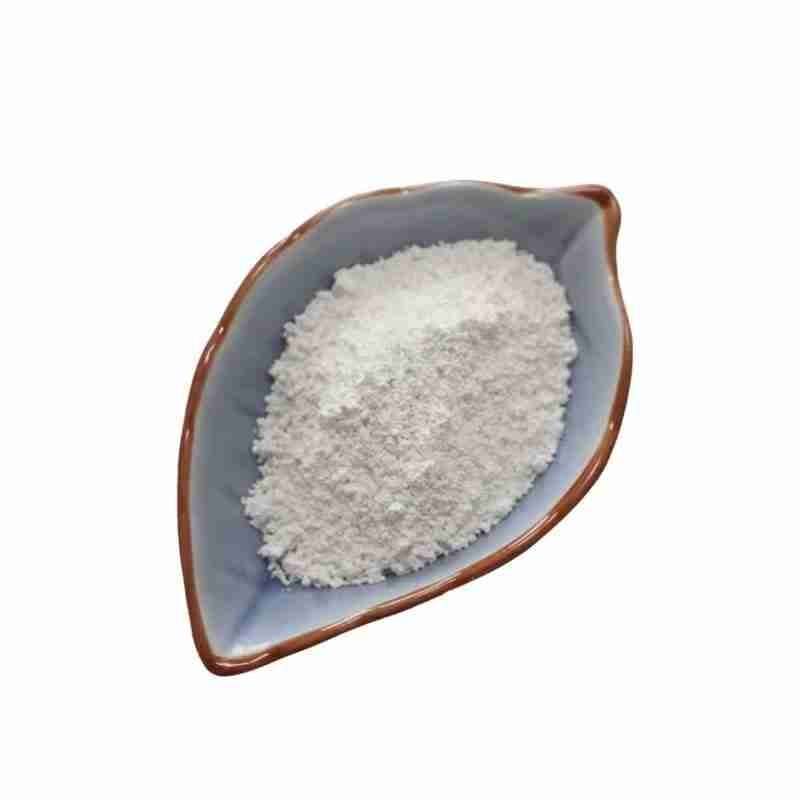
Dodecyl Dimethyl Benzyl Ammonium Chloride CAS #122-19-0

Stearic dimethyl benzyl ammonium chloride is a white solid or viscous liquid with slight odor.
Synthesis of benzyl dimethyl stearyl ammonium chloride: put 450kg dimethyl octadecylamine into a reactor, heat it to 80~85 ??, and slowly add 180kg benzyl chloride within 1.5~2h under stirring. The temperature shall be kept at 80~90 ?? during the dropping process. After dosing, temperature rise to 100~105 ??, keep the reaction for several hours, and take samples to determine the pH value. When the pH value of 1% aqueous solution reaches 6~6.5, the reaction is completed. Lower the temperature to 60 ?? and discharge to obtain benzyl dimethyl stearyl ammonium chloride.
Dodecyl Dimethyl Benzyl Ammonium Chloride CAS #122-19-0
| Benzyldimethylstearylammonium Chloride Basic information |
| Product Name: | Benzyldimethylstearylammonium Chloride |
| Synonyms: | stedbac;tallowbenzyldimethylammoniumchloride;tritoncg400;tritoncg500;tritonx-40;tritonx-400;varisoftsdc;dimethyl octadecyl benzylamonium chloride |
| CAS: | 122-19-0 |
| MF: | C27H50ClN |
| MW: | 424.15 |
| EINECS: | 204-527-9 |
| Product Categories: | Aromatics;Intermediates & Fine Chemicals;Isotope Labelled Compounds;Pharmaceuticals;API Intermediate;Ammonium Chlorides (Quaternary);Aromatic Quaternary Ammonium Salts (Surfactants);Cationic Surfactants;Functional Materials;Quaternary Ammonium Compounds;Surfactants;Hair Care;Home Care |
| Mol File: | 122-19-0.mol |
 |
|
| Benzyldimethylstearylammonium Chloride Chemical Properties |
| Melting point | 54-56??C |
| density | 0.98 |
| vapor pressure | 0Pa at 25?? |
| storage temp. | Inert atmosphere,Room Temperature |
| solubility | Chloroform (Slightly), DMSO (Slightly), Methanol (Slightly) |
| form | Solid |
| color | White to Off-White |
| Odor | at 100.00?%. bland |
| Water Solubility | 4000 G/L (20 oC) |
| LogP | 3.89 at 20?? |
| CAS DataBase Reference | 122-19-0(CAS DataBase Reference) |
| EPA Substance Registry System | Dimethyl octadecyl benzyl ammonium chloride (122-19-0) |
| Safety Information |
| Hazard Codes | C,N |
| Risk Statements | 22-38-41-50-34-21/22 |
| Safety Statements | 26-36/37/39-61-45 |
| RTECS | BO7000000 |
| HS Code | 29239000 |
| Hazardous Substances Data | 122-19-0(Hazardous Substances Data) |
| Toxicity | LD50 oral in rat: 1250mg/kg |
Related Products
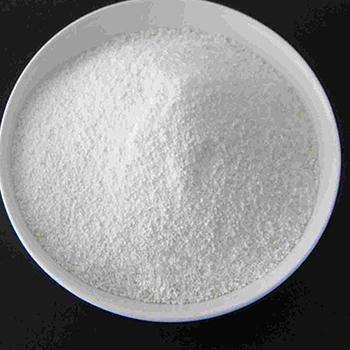
Chemical Name: Dehydrocholic acid
Synonyms: Acide dehydrocholique; Triketocholanic acid
CAS No.: 81-23-2
Molecular Formula: C24H34O5
Molecular Weight: 402.53
Appearance: Powder
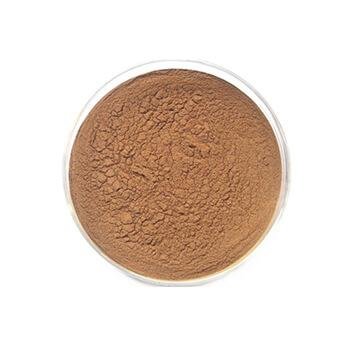
Chemical Name: Ashwagandha Extract
Synonyms: Withania somnifera, ext.; Withania Somnefera Extract
CAS: 90147-43-6
Appearance: Brown
Hexyl D-glucoside is a non-ionic, plant-based surfactant derived from renewable resources such as corn or potato starch. It is recognized for its excellent skin compatibility and mildness, making it a preferred choice for formulations in personal care products, especially those targeting sensitive skin. With its superior solubilizing and foaming capabilities, it enhances the sensory experience of the product without compromising its gentleness. Its eco-friendly profile and biodegradability also align with green chemistry principles, appealing to consumers seeking sustainable product options.

Lauryl Glucoside is an eco-conscious non-ionic surfactant, derived from sustainable lauric acid and glucose. It offers superior mildness and biodegradability, making it an ideal choice for formulating gentle and effective cleaning agents in personal care and household products. Its bio-based nature aligns with the growing demand for green chemistry solutions.
Chemical Name: 3-Hydroxybutyric acid
CAS No.: 625-71-8
Molecular Formula: C4H8O3
Molecular Weight: 104.1
Appearance: White powder
Decyl glucoside, scientifically known as ??-D-Glucopyranoside, is a non-ionic surfactant derived from renewable resources, such as glucose and fatty alcohols. It is a biodegradable and mild alternative to traditional surfactants, making it a preferred choice for eco-friendly and sensitive skin formulations.
This compound is characterized by its ability to form stable emulsions and foams, which are essential properties in a variety of applications, including personal care products and household cleaning agents. Decyl glucoside is valued for its low irritation potential and excellent skin compatibility, making it suitable for use in baby care and cosmetic products.
Chemically, decyl glucoside features a hydrophilic head and a hydrophobic tail, allowing it to effectively reduce surface tension and solubilize oils in water. Its mildness and biodegradability contribute to its use in formulations that require gentle cleansing without compromising the integrity of the skin’s natural barrier.
In summary, decyl glucoside is a versatile and sustainable surfactant that offers a balance of performance and safety. Its eco-friendly profile and compatibility with sensitive skin types make it an ideal ingredient for a wide range of personal care and cleaning products.
Decyl glucoside, scientifically known as ??-D-Glucopyranoside, is a non-ionic surfactant derived from renewable resources, such as glucose and fatty alcohols. It is a biodegradable and mild alternative to traditional surfactants, making it a preferred choice for eco-friendly and sensitive skin formulations.
This compound is characterized by its ability to form stable emulsions and foams, which are essential properties in a variety of applications, including personal care products and household cleaning agents. Decyl glucoside is valued for its low irritation potential and excellent skin compatibility, making it suitable for use in baby care and cosmetic products.
Chemically, decyl glucoside features a hydrophilic head and a hydrophobic tail, allowing it to effectively reduce surface tension and solubilize oils in water. Its mildness and biodegradability contribute to its use in formulations that require gentle cleansing without compromising the integrity of the skin’s natural barrier.
In summary, decyl glucoside is a versatile and sustainable surfactant that offers a balance of performance and safety. Its eco-friendly profile and compatibility with sensitive skin types make it an ideal ingredient for a wide range of personal care and cleaning products.

Lauramidopropyl betaine is a mild, biodegradable surfactant commonly used in personal care products and cleaning formulations. It is derived from coconut oil and is known for its foaming and wetting properties, making it ideal for creating rich lathers. This ingredient is particularly favored for its gentleness on the skin and its ability to cleanse without causing irritation, making it suitable for sensitive skin types. It also contributes to the product’s viscosity and stability.
Chemical Name: UV-120
Other Name: (2’,4’-Di-tert-butylphenyl 3,5-di-tert-butyl-4-hydroxybenzoate)
CAS No.: 4221-80-1
Molecular Fomula: C29H42O3
Molecular weight: 438.66
Assay: ≥99%(LC)
Product name:Cyclopentane
Purity:96%
Appearance:White powder
Package:25kg/bag
Sample:Available
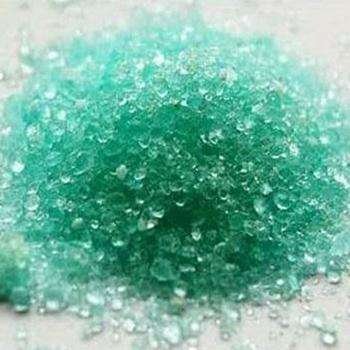
Chemical Name: Ammonium Iron(II) Sulfate
Synonyms: Diammonium iron bis(sulphate); iron (ii) ammonium sulfate
CAS No.: 10045-89-3
Molecular Formula: FeH5NO4S
Molecular Weight: 170.95

Common English name: 5-iodo-2,3-dihydropyridazin-3-one
CAS No.: 825633-94-1
Molecular formula: C4H3IN2O
Molecular weight: 221.98
Sample: Available


