
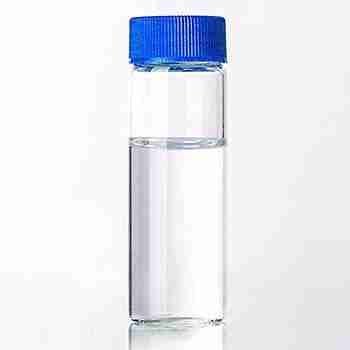
Dioctyl Sulfosuccinate Sodium Salt Cas 577-11-7

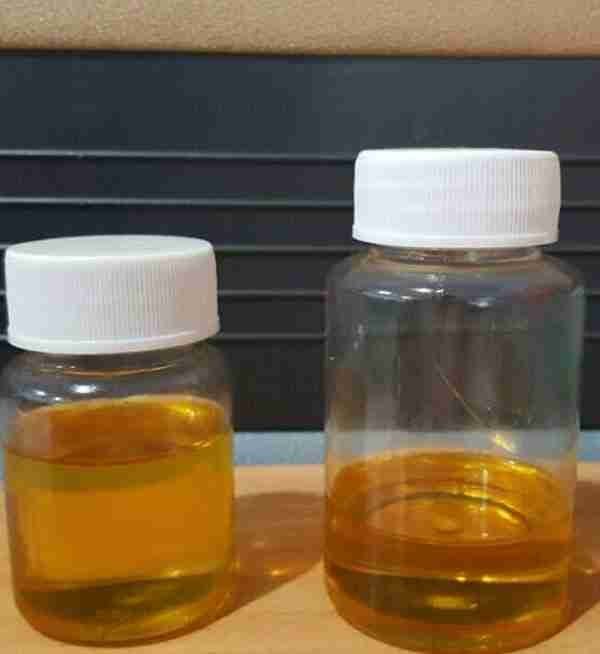
Product name: Dioctyl sulfosuccinate sodium salt
Assay: 40%; 50%; 70%; 75%;
Appearance: Light yellow to colorless liquid
Capacity: 10000MT per year
Packaging: 200kg/plastic drum; IBC drum
Sample: Available
related documents:
COA of Sodium dioctyl sulfosuccinate 577-11-7
TDS of Sodium dioctyl sulfosuccinate 577-11-7
MSDS of 70% content Sodium dioctyl sulfosuccinate 577-11-7
Request for product documents
Description
Dioctyl sulfosuccinate sodium salt Quick Details
Chemical Name: Dioctyl sulfosuccinate sodium salt
Other Name: Docusate sodium; Bis(2-ethylhexyl) sulfosuccinate sodium salt; Dioctyl sodium sulfosuccinate; Sodium dioctyl sulfosuccinate
CAS No.: 577-11-7
Molecular Fomula: C20H37O7S.Na
Molecular weight: 444.56
Appearance: Yellowish to colorless liquid
Assay??40%;50%;70%;75%;
Dioctyl sulfosuccinate sodium salt Typical Properties
Items
Sodium dioctyl sulfosuccinate 40%
Sodium dioctyl sulfosuccinate 50%
Sodium dioctyl sulfosuccinate 70%
Sodium dioctyl sulfosuccinate 75%
Appearance at 25 ??
Yellowish to colorless liquid
Yellowish to colorless liquid
Yellowish to colorless liquid
Yellowish to colorless liquid
Content %
40??2
50??2
70??2
75??2
PH
5.0-7.0
5.0-7.0
5.0-7.0
5.0-7.0
Specific gravity at 25 ??
1.05-1.15
1.05-1.15
1.05-1.15
1.05-1.15
Dioctyl sulfosuccinate sodium salt Usage
1. Easily soluble in water, the solution is milky white, and not resistant to strong acids, strong bases, heavy metal salts, and reducing agents. It penetrates quickly and evenly. It has good wetting, penetrating, emulsifying, and foaming properties. The penetration effect is best when it is below 40??, and it is easy to hydrolyze when it meets alkali at high temperatures. The penetrant T is not resistant to strong alkalis and cannot be added directly to a concentrated alkaline solution. The penetrant T should be added after diluting the alkaline solution.
2. This product is a highly effective penetrant, used to treat cotton, hemp, viscose, and its blended products. The treated fabric is directly bleached or dyed without scouring, which can improve the dyeing defects caused by dead cotton. The fabric feels softer and fuller. When practicing green bleaching, the dyestuff should be withdrawn first to ensure the penetration effect.
3. If there is too much foam when penetrating agent T is used, a small amount of defoamer, GP or octanol, tributyl phosphate, and other defoamers can be added.
4. Used for dyeing raw cotton; used for pesticide wettable powder
Dioctyl sulfosuccinate sodium salt Packaging and Shipping
50kg or 200kg/plastic drum; IBC drum
Dioctyl sulfosuccinate sodium salt Storage
As common chemicals; store in a dry and ventilated place; Expiration date: 2 year
Related Products

Lauryl Glucoside is an eco-conscious non-ionic surfactant, derived from sustainable lauric acid and glucose. It offers superior mildness and biodegradability, making it an ideal choice for formulating gentle and effective cleaning agents in personal care and household products. Its bio-based nature aligns with the growing demand for green chemistry solutions.
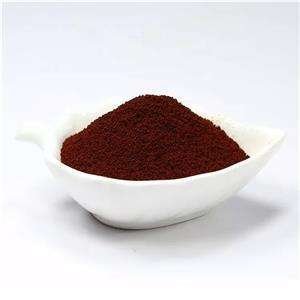
Chemical Name: Choline salicylate
CAS No.: 2016-36-6
Molecular Formula: C12H19NO4
Molecular Weight: 241.28
Appearance: Red-Brown Crystal
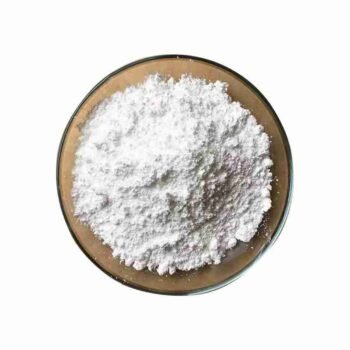
Coconut Oil Monoethanolamide is a high-performance emulsifier derived from natural coconut oil. It is a key component in personal care and cosmetic formulations, providing excellent emulsifying properties and improving product texture. With its natural origin and superior performance, it is the preferred choice for creating stable and high-quality products.

Chemical Name: Ashwagandha Extract
Synonyms: Withania somnifera, ext.; Withania Somnefera Extract
CAS: 90147-43-6
Appearance: Brown
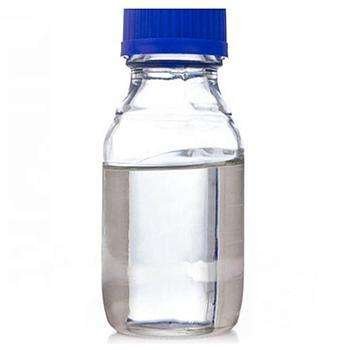
Chemical Name: STODDARD SOLVENT
CAS No.: 64742-88-7
Appearance: Colorless or Light Yellow Liquid
Lauryl Glucoside is an eco-conscious non-ionic surfactant, derived from sustainable lauric acid and glucose. It offers superior mildness and biodegradability, making it an ideal choice for formulating gentle and effective cleaning agents in personal care and household products. Its bio-based nature aligns with the growing demand for green chemistry solutions.
Coconut Oil Monoethanolamide is a high-performance emulsifier derived from natural coconut oil. It is a key component in personal care and cosmetic formulations, providing excellent emulsifying properties and improving product texture. With its natural origin and superior performance, it is the preferred choice for creating stable and high-quality products.
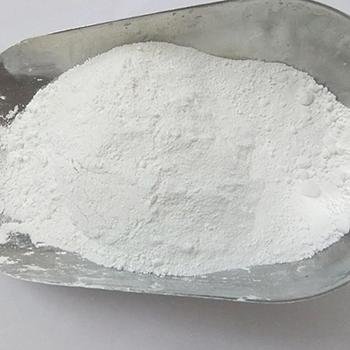
Product name:Cyclopentane
Purity:96%
Appearance:White powder
Package:25kg/bag
Sample:Available

Common English name: 5-iodo-2,3-dihydropyridazin-3-one
CAS No.: 825633-94-1
Molecular formula: C4H3IN2O
Molecular weight: 221.98
Sample: Available

Chemical Name: UV-120
Other Name: (2’,4’-Di-tert-butylphenyl 3,5-di-tert-butyl-4-hydroxybenzoate)
CAS No.: 4221-80-1
Molecular Fomula: C29H42O3
Molecular weight: 438.66
Assay: ≥99%(LC)
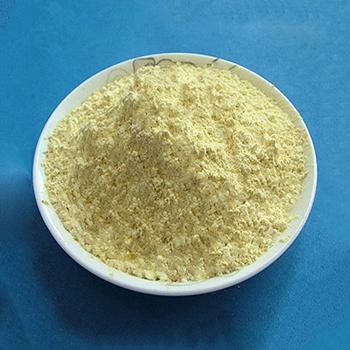
Product name:HYDROXYPROPYL GUAR HYDROXYPROPYLTRIMONIUM CHLORIDE
Purity:99%
Appearance:Light Yellow Powder
Package:Customized according to customer needs.
Sample:Available
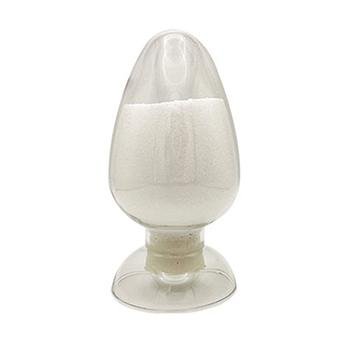
Chemical Name: Imazalil Sulfate
CAS No.: 58594-72-2
Molecular Formula: C14H14Cl2N2O.H2SO4
Molecular Weight: 395.26
Appearance: Solid



Reviews
There are no reviews yet.