
Description
Cycloastragenol Quick Details
Chemical Name: Cycloastragenol
CAS No.: 78574-94-4
Molecular Fomula: C30H50O5
Chemical Structure:
Molecular weight:?490.72
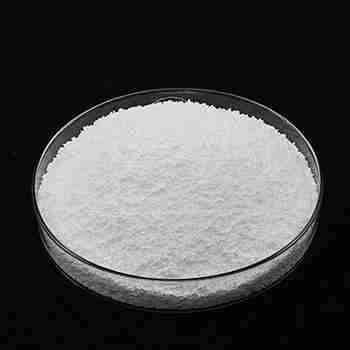
Appearance:?White powder
Assay: ??98%
Cycloastragenol?Typical Properties
Purity????HPLC??
Cycloastragenol??98%
Appearance
White powder
Particle-size
NLT100% 80?mesh
Weight loss
??2.0%
Total metals
??10.0ppm
Lead
??1.0ppm
Mercury
??1.0ppm
Cadmium
??0.5ppm
Total number of?bacteria
??1000cfu/g
Yeast
??100cfu/g
Escherichia coli
Not included
Salmonella
Not included
Staphylococcus
Not included
?
Cycloastragenol?application:
Anti-aging: A telomerase activator that increases telomerase and slows down telomere shortening, thus playing an anti-aging role.
Application in the preparation of anti-cancer adjuvant therapeutic drugs: Anti-cancer adjuvant therapeutic drugs prepared with it as the active ingredient can enhance the efficacy of anti-cancer drugs, reduce the toxicity of anti-cancer drugs, and prevent and treat the decrease in leukocytes caused by anti-cancer drug treatment.
Cycloastragenol?Packaging and Shipping?
25kg/drum, Customized according to customer needs.
Cycloastragenol?Storage
Ensure the room is cool, dry, dark and well ventilated.
Related Products

Arbutin, a derivative of hydroquinone, is a naturally occurring compound extracted primarily from the bearberry plant (Arctostaphylos uva-ursi). It is renowned in the skincare industry for its skin lightening properties, making it a popular ingredient in cosmetic products designed to reduce hyperpigmentation and even out skin tone.
Chemically, arbutin is ??-glucosiduronic acid of hydroquinone, with the molecular formula C12H12O7. Its mechanism of action involves the inhibition of tyrosinase, a key enzyme in the melanin biosynthesis pathway. By reducing melanin production, arbutin effectively lightens the skin without the risk of irritation often associated with hydroquinone.
Arbutin is valued for its safety profile, as it is considered less irritating and more stable compared to other skin lightening agents. It is also known for its antioxidant properties, which contribute to its skin brightening effects and overall skin health benefits.
In summary, arbutin is a reliable and gentle alternative for skin lightening, offering a natural approach to reducing pigmentation issues while promoting a more radiant and even complexion. Its use in skincare formulations is favored for its efficacy and mildness, making it suitable for various skin types.

Chemical Name: 1,1,2,2-Tetrachloroethane
Other Name: Tetrachlorethane
CAS No.: 79-34-5
Molecular Formula: C2H2Cl4
Molecular Weight: 167.85
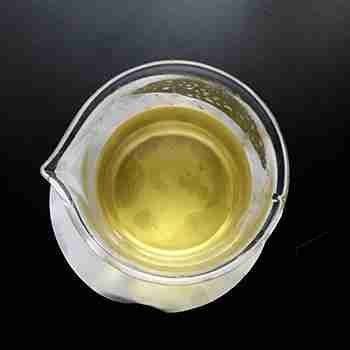
Appearance: Liquid
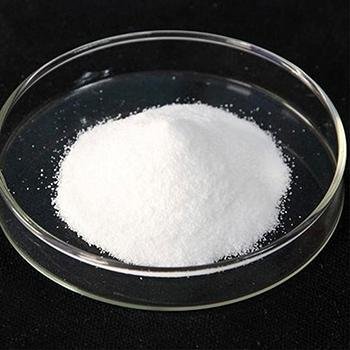
Chemical Name: UV-120
Other Name: (2’,4’-Di-tert-butylphenyl 3,5-di-tert-butyl-4-hydroxybenzoate)
CAS No.: 4221-80-1
Molecular Fomula: C29H42O3
Molecular weight: 438.66
Assay: ≥99%(LC)

Chemical Name: Reishi Mushroom Extract
CAS No.: /
Molecular Fomula: C16H23O15
Chemical Structure: /
Molecular weight: /
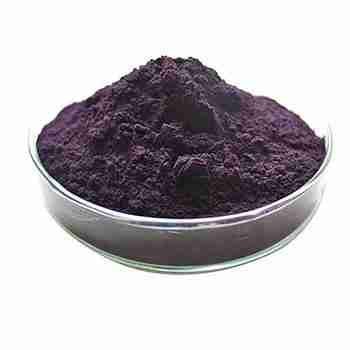
Appearance:Brown powder

Chemical Name: Ammonium Iron(II) Sulfate
Synonyms: Diammonium iron bis(sulphate); iron (ii) ammonium sulfate
CAS No.: 10045-89-3
Molecular Formula: FeH5NO4S
Molecular Weight: 170.95

Peony is the dried root of the perennial herbaceous plant Paeoniaceae in the Paeoniaceae family. It is bitter, sour and slightly cold. It returns to the liver and spleen meridians. It has the functions of calming the liver and relieving pain, nourishing blood and regulating menstruation, astringing yin and stopping sweating. It is used for headaches, dizziness, rib pain, abdominal pain, cramps and pain in limbs, blood deficiency and chlorosis, irregular menstruation, spontaneous perspiration, and night sweats.
Paeoniflorin is the main functional component of peony. It is an important physiologically active substance with anti-inflammatory effects, immune system effects, liver protection effects, analgesic effects, etc.
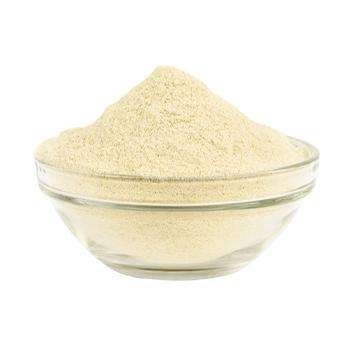
Chemical Name: Arabic gum
CAS No.: 9000-01-5
Appearance: powder
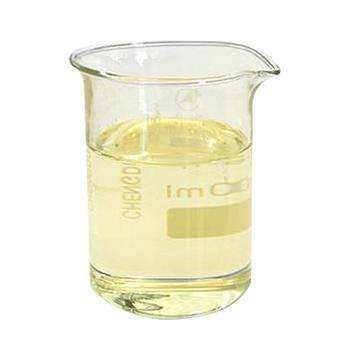
Chemical Name: Potassium Castorate
CAS No.: 8013-05-6
Molecular Formula: C57H107K3O12
Molecular Weight: 1101.74718
Appearance: Yellow Liquid
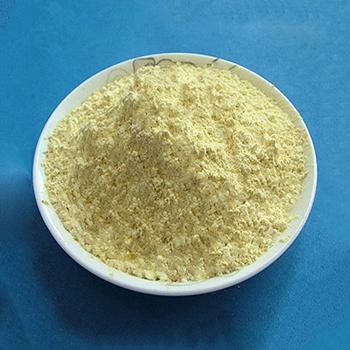
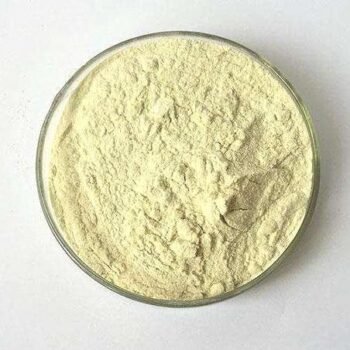
Product name:HYDROXYPROPYL GUAR HYDROXYPROPYLTRIMONIUM CHLORIDE
Purity:99%
Appearance:Light Yellow Powder
Package:Customized according to customer needs.
Sample:Available
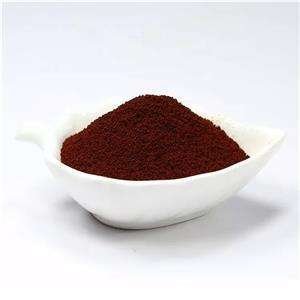
Chemical Name: Choline salicylate
CAS No.: 2016-36-6
Molecular Formula: C12H19NO4
Molecular Weight: 241.28
Appearance: Red-Brown Crystal
Chemical Name: o-Xylene
Synonyms: 1,2-Dimethylbenzene; ortho-xylene
CAS No.: 95-47-6
Molecular Formula: C8H10
Molecular Weight: 106.17
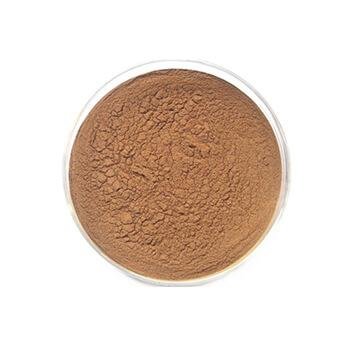
Chemical Name: Ashwagandha Extract
Synonyms: Withania somnifera, ext.; Withania Somnefera Extract
CAS: 90147-43-6
Appearance: Brown





Reviews
There are no reviews yet.