

Chromium Sesquioxide CAS# 1308-38-9
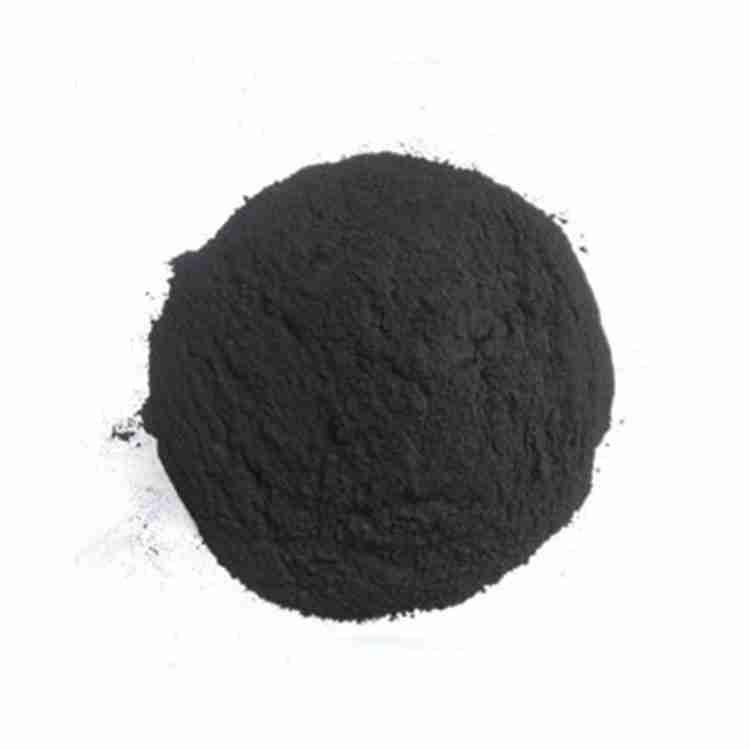

Chromium oxide is a basic inorganic chemical raw material. Its chemical name is chromium trioxide, Cr2O3. It belongs to the trigonal crystal system. If a hexagonal unit cell is taken, the unit cell parameters are 4.960x 4.960??13.584 and the axial ratio is 4.473. Cr2O3 has a ??-Al2O3 structure. This rigid crystal is composed of oxygen ions that are closely packed and M3+ ions fill the octahedral gaps formed by these close packings.It is known that the ionic radii of Cr3+ and O2- are 0.069nm and 0.132nm respectively, and the ratio of positive and negative ionic radii is 0.52, in the range of 0.414~0.732. Therefore, the coordination number of Cr3+ is 6, so it is in the octahedral gap.
Chromium Sesquioxide CAS# 1308-38-9
| Chromium(III) oxide Basic information |
| Product Name: | Chromium(III) oxide |
| Synonyms: | cipigmentgreen17;cosmetichydrophobicgreen9409;cosmeticmicroblendchromeoxide9229;dichromiumtrioxide;greenchromeoxide;
greenchromicoxide;greenchromiumoxide;greenoxideofchromium |
| CAS: | 1308-38-9 |
| MF: | Cr2O3 |
| MW: | 151.99 |
| EINECS: | 215-160-9 |
| Product Categories: | Inorganics;INORGANIC & ORGANIC CHEMICALS;Dyes and Pigments;Inorganic chemistry;dyestuff metal chrome;metal oxide |
| Mol File: | 1308-38-9.mol |
 |
|
| Chromium(III) oxide Chemical Properties |
| Melting point | 2435 ??C |
| Boiling point | 4000 ??C |
| density | 5.21 |
| refractive index | 2.551 |
| Fp | 3000??C |
| storage temp. | Room Temperature |
| solubility | Insoluble in all solvents |
| form | powder |
| color | Pale to dark green |
| Specific Gravity | 5.22 |
| Odor | at 100.00?%. odorless |
| Water Solubility | Insoluble |
| Crystal Structure | Trigonal |
| Merck | 14,2234 |
| Exposure limits | NIOSH: IDLH 25 mg/m3; TWA 0.5 mg/m3 |
| Stability: | Stable. |
| CAS DataBase Reference | 1308-38-9(CAS DataBase Reference) |
| NIST Chemistry Reference | Chromium(iii) oxide(1308-38-9) |
| EPA Substance Registry System | Chromium(III) oxide (1308-38-9) |
Related Products
Chemical Name: o-Xylene
Synonyms: 1,2-Dimethylbenzene; ortho-xylene
CAS No.: 95-47-6
Molecular Formula: C8H10
Molecular Weight: 106.17
Chemical Name: Potassium Castorate
CAS No.: 8013-05-6
Molecular Formula: C57H107K3O12
Molecular Weight: 1101.74718
Appearance: Yellow Liquid
Carbon black, also known as carbon dark, is a kind of unformed carbon. It??s a light, loose and extremely fine black greasepaint with a veritably large face area ranging from 10 to 3000m2/g. It??s an deficient combustion of carbonaceous substances( coal, natural gas, heavy oil painting, energy oil painting,etc.) under conditions of inadequate air. Or products deduced from thermal corruption. Those made from natural gas are called?? gas dark??, those made from oil painting are called?? beacon black??, and those made from acetylene are called?? acetylene black??. In addition, there are?? trough black?? and?? furnace black??.

Aluminum chlorohydrate is an inorganic compound often used as a coagulant in water treatment processes. It is also known for its astringent properties and is utilized in various personal care products, such as antiperspirants and deodorants, due to its ability to temporarily close sweat glands. It enhances the viscosity and stability of formulations, making it a valuable ingredient in cosmetics and pharmaceuticals.

Carbon is a fundamental element found in all organic life and a key component of many inorganic materials. It is known for its ability to form long chains and complex structures, which makes it the basis of various compounds, including diamond, graphite, and fullerenes. Carbon is used in a wide range of applications, from manufacturing steel and other alloys to being a key element in batteries and as a pigment in inks and paints.
Aluminum chlorohydrate is an inorganic compound often used as a coagulant in water treatment processes. It is also known for its astringent properties and is utilized in various personal care products, such as antiperspirants and deodorants, due to its ability to temporarily close sweat glands. It enhances the viscosity and stability of formulations, making it a valuable ingredient in cosmetics and pharmaceuticals.
Chemical Name: UV-120
Other Name: (2’,4’-Di-tert-butylphenyl 3,5-di-tert-butyl-4-hydroxybenzoate)
CAS No.: 4221-80-1
Molecular Fomula: C29H42O3
Molecular weight: 438.66
Assay: ≥99%(LC)
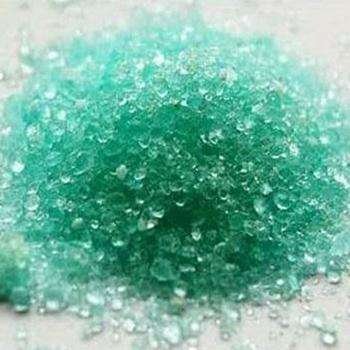
Chemical Name: Ammonium Iron(II) Sulfate
Synonyms: Diammonium iron bis(sulphate); iron (ii) ammonium sulfate
CAS No.: 10045-89-3
Molecular Formula: FeH5NO4S
Molecular Weight: 170.95

Silicon dioxide, commonly known as silica, is a naturally occurring compound found in quartz and sand. It is a primary component of most rocks and is widely used in various industries due to its high thermal stability, chemical inertness, and optical clarity. In chemical applications, it is valued for its abrasive, refractory, and adsorptive properties, making it essential in products like glass, ceramics, and electronics.
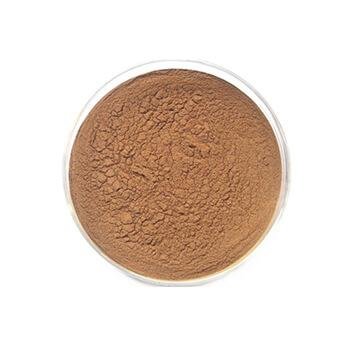
Chemical Name: Ashwagandha Extract
Synonyms: Withania somnifera, ext.; Withania Somnefera Extract
CAS: 90147-43-6
Appearance: Brown

Copper(II) sulfate, with the chemical formula CuSO4, is a blue crystalline compound that is soluble in water. It is commonly used in agriculture as a fungicide and in the textile industry as a dye fixative. Copper(II) sulfate is also utilized in the manufacture of pigments, batteries, and as an algaecide in water treatment. Its distinctive blue color and reactivity make it a versatile chemical in various industrial applications, including chemical analysis and electroplating.

Kaolin, also known as china clay, is a naturally occurring hydrated aluminum silicate mineral. It is a soft, white, plastic clay that is widely used in ceramics, papermaking, and as a pigment in paints, coatings, and plastics. Kaolin is valued for its fine particle size, purity, and ability to improve the brightness and opacity of materials. Its inert nature and high refractive index make it ideal for various industrial applications, including cosmetics and pharmaceuticals.


