

Castor oil Cas 8001-79-4
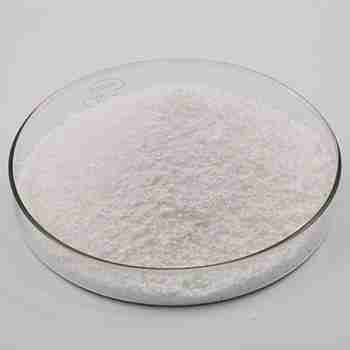
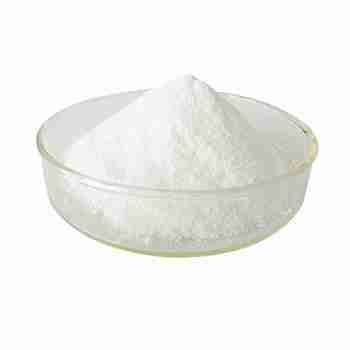
Appearance: Viscous Liquid Achromaticor Light Yellow Colour
Packing: 25kg/drum, 50kg/drum, 200kg/drum
Sample: Available
related documents:
SDS of Castor Oil Cas 8001-79-4
TDS of Castor Oil Cas 8001-79-4
COA of Castor Oil Cas 8001-79-4
Request for product documents
Description
Castor oil
Castor oil Quick Details
Product Name: Castor oil
CAS: 8001-79-4
Formula: C57H104O9
Molecular Weight: 933.45
Appearance: Viscous Liquid Achromaticor Light Yellow Colour
Structure:
Castor oil Typical Properties
Item
Specifications
Appearance
Viscous Liquid Achromatic
or Light Yellow Colour
Acid Value(mgKOH/g)
2.0
Vnsaponificable Matter(%)
0.8
Absorbance 269??1nm
1.0
Gravity(25 ??C)
0.952-0.965
Saponification(mgKOH/g)
176-187
Iodine Value(GI/100g)
82-90
Water Content(%)
0.3
Refractive Indx(Nd20)
1.477-1.481
Hydroxy Value(mgKOH/g)
150
Optical Rotation
+3.5-+6.0
Peroxide Value
5.0
?
Castor oil Usage
Castor oil is used to produce sebacic acid, cold resistant plasticizer, lubricating oil, perfume, penetrant and emulsifier for textile industry
Castor oilis used as fatliquoring agent for leather. Preparation of sulfated castor oil. It is a kind of extender and brightener for leather finishing.
Castor oil Packaging and Shipping:
Packing: 25kg/drum, 50kg/drum, 200kg/drum
Castor oil Storage
Stored in a cool dry place out of direct sunlight.
Related Products

Chemical Name: UV-120
Other Name: (2’,4’-Di-tert-butylphenyl 3,5-di-tert-butyl-4-hydroxybenzoate)
CAS No.: 4221-80-1
Molecular Fomula: C29H42O3
Molecular weight: 438.66
Assay: ≥99%(LC)

Chemical Name:?Ptaquiloside
CAS No.: 87625-62-5
Molecular Formula: C20H30O8
Molecular Weight: 398.45
Appearance: White Powder

Peony is the dried root of the perennial herbaceous plant Paeoniaceae in the Paeoniaceae family. It is bitter, sour and slightly cold. It returns to the liver and spleen meridians. It has the functions of calming the liver and relieving pain, nourishing blood and regulating menstruation, astringing yin and stopping sweating. It is used for headaches, dizziness, rib pain, abdominal pain, cramps and pain in limbs, blood deficiency and chlorosis, irregular menstruation, spontaneous perspiration, and night sweats.
Paeoniflorin is the main functional component of peony. It is an important physiologically active substance with anti-inflammatory effects, immune system effects, liver protection effects, analgesic effects, etc.

Hydroxytyrosol, a potent antioxidant polyphenol derived from olives, is celebrated for its health-promoting properties. Highly valued in the nutraceutical, cosmetic, and pharmaceutical sectors, it contributes to the development of products that support well-being and skin health.

Chemical Name: 1,1,2,2-Tetrachloroethane
Other Name: Tetrachlorethane
CAS No.: 79-34-5
Molecular Formula: C2H2Cl4
Molecular Weight: 167.85
Appearance: Liquid
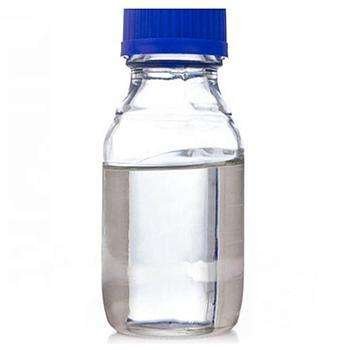
Chemical Name: STODDARD SOLVENT
CAS No.: 64742-88-7
Appearance: Colorless or Light Yellow Liquid

Osthole belongs to coumarin compounds. It is prismatic-like crystals (diethyl ether) and needle-like crystals (Ethanol) with the melting point being 83~84 ?? and the boiling point being 145~150 ??. It is soluble in alkaline solution, methanol, ethanol, chloroform, acetone, ethyl acetate, and boiling petroleum ether but insoluble in water and petroleum ether.
Osthole has various kinds of effects of antispasmodic, hypotensive, anti-arrhythmic and enhancing immune function and broad-spectrum antimicrobial effect. Osthole can not only have efficacy such as anti-hypertensive, anti-arrhythmic, anti-inflammatory, anti-tumor and anti-osteoporosis effect, but can also act as a new type of biological pesticides with significant efficacy in treating pests and plant pathogens.
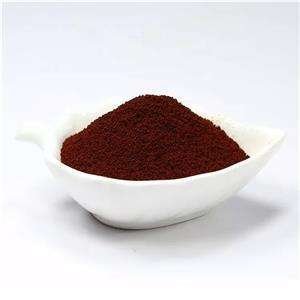
Chemical Name: Choline salicylate
CAS No.: 2016-36-6
Molecular Formula: C12H19NO4
Molecular Weight: 241.28
Appearance: Red-Brown Crystal

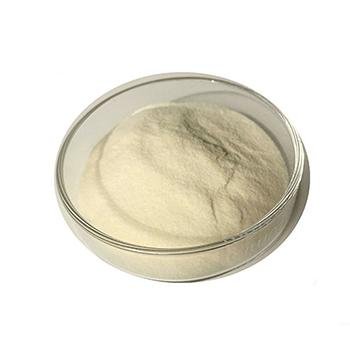
Chemical Name: Quercetin-3-O-sophoroside
CAS No.: 18609-17-1
Molecular Formula: C27H30O17
Molecular Weight: 626.52

Hydroxytyrosol has anti-inflammatory effects, dilates blood vessels and antibacterial effects, can prevent atherosclerosis, can reduce the incidence of certain cancers (such as breast, prostate, endometrial, digestive tract); Due to its strong antioxidant activity and the effect of reducing the incidence of cancer, hydroxytyrosol has great prospects for medical use. Hydroxytyrosol is a tyrosol metabolite that is also found in olive oil and contains strong antioxidant propertie.
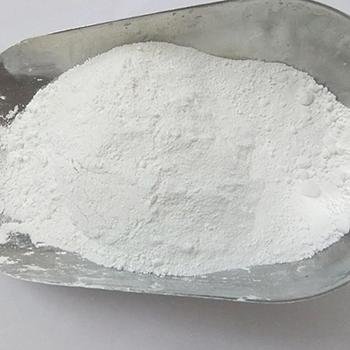
Product name:Cyclopentane
Purity:96%
Appearance:White powder
Package:25kg/bag
Sample:Available



Reviews
There are no reviews yet.