
Description
Camphene?Quick Details
Chemical Name: Camphene
CAS No.: 79-92-5
Molecular Fomula: C10H16
Chemical Structure:
Molecular weight: 136.23
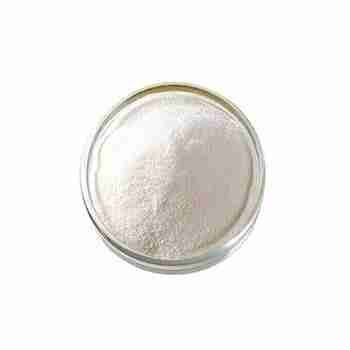
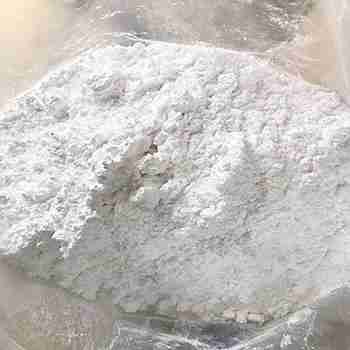
Appearance:?White waxy solid
Assay: 95%min
?Camphene Typical Properties
item
value
CAS No.
79-92-5
Appearance
White waxy solid
Assay
95%min
Odor
A characteristic rosemary odor
Extraction Method
Steam distilled
Solubility in water
Practically insoluble
Feature
OEM/ODM Service is available
Density
0.842 g/cm3
Melting point
51 to 52 ??C
?
Camphene application:
Amphene is a bicyclic monoterpene.
It is almost insoluble in water, but very soluble in common organic solvents. It is prone to volatilization at room temperature and has a pungent odor.
It is a secondary component of many essential oils, such as turpentine, tar, camphor oil, lemongrass oil, orange blossom, ginger oil, and valerian. In industry, the more common ??- Catalytic isomerization production of pinene. Camphene is used to prepare spices and as a food additive for seasoning. It was used as fuel for lamps in the 19th century due to its explosive limitations
Packaging and Shipping?
25kg/drum or customized packing
Related Products
Product name:Cyclopentane
Purity:96%
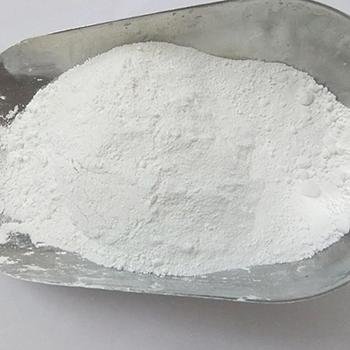
Appearance:White powder
Package:25kg/bag
Sample:Available
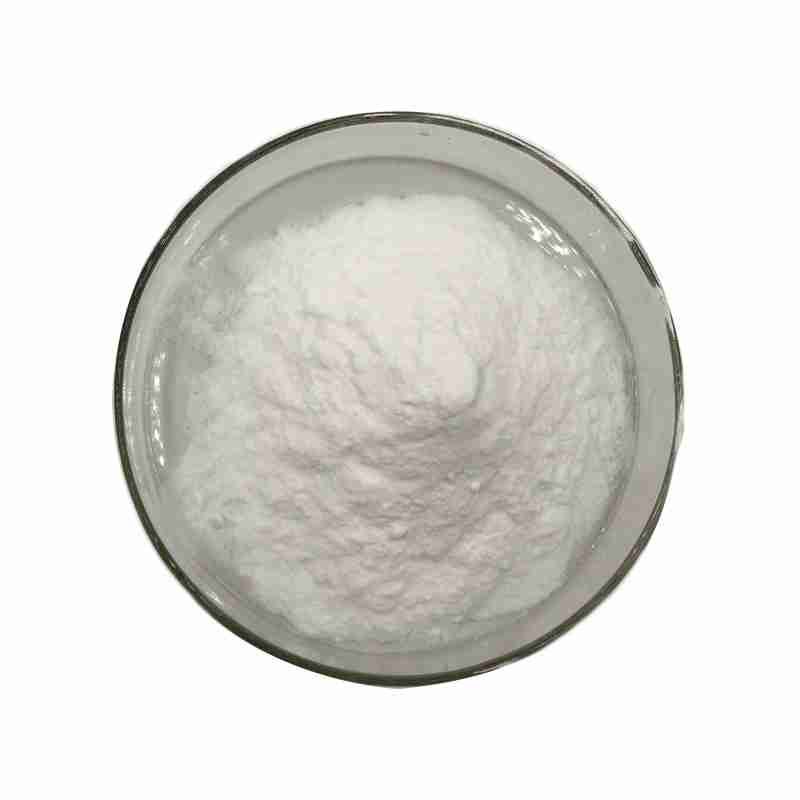
Succinimide is a heterocyclic organic compound and an important industrial chemical. It serves as a key intermediate in the synthesis of various pharmaceuticals, agrochemicals, and other specialty chemicals. Known for its reactivity and versatility, succinimide is widely used in the production of succinic anhydride, a precursor to many polymers and plasticizers, highlighting its significance in the chemical industry.
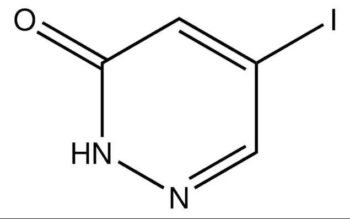
Common English name: 5-iodo-2,3-dihydropyridazin-3-one
CAS No.: 825633-94-1
Molecular formula: C4H3IN2O
Molecular weight: 221.98
Sample: Available

Ethylhexyl Palmitate is a skin-conditioning ester, derived from ethylhexanol and palmitic acid, that imparts moisturization and a smooth texture to cosmetic and personal care formulations. It is valued for its emollient properties, enhancing the sensory experience of skin care products.
Silicones are a family of synthetic polymers known for their versatility and stability. They are heat-resistant, non-toxic, and have excellent electrical insulation properties. Commonly used in various industries such as construction, automotive, aerospace, and personal care products, silicones offer a wide range of applications from sealants and adhesives to lubricants and medical devices. Their resistance to extreme temperatures and weathering makes them a preferred choice for many high-performance applications.
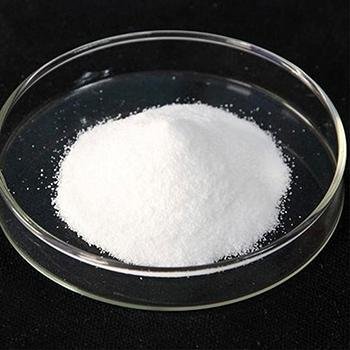
Chemical Name: UV-120
Other Name: (2’,4’-Di-tert-butylphenyl 3,5-di-tert-butyl-4-hydroxybenzoate)
CAS No.: 4221-80-1
Molecular Fomula: C29H42O3
Molecular weight: 438.66
Assay: ≥99%(LC)
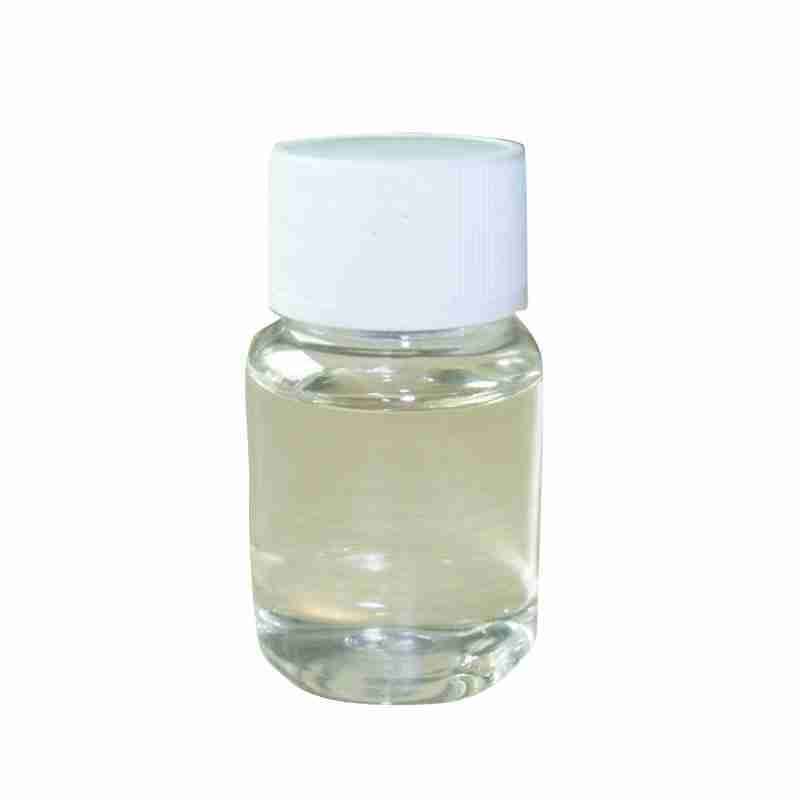
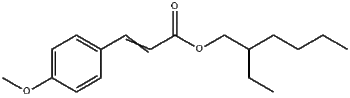
Octyl 4-methoxycinnamate, scientifically known as 2-Ethylhexyl 4-Methoxycinnamate, is a highly effective organic UV filter commonly used in the formulation of sunscreens and cosmetic products. This compound is renowned for its ability to absorb ultraviolet B (UVB) radiation, providing a reliable defense against the sun’s harmful effects on the skin.
Characterized by its chemical formula C19H28O3, Octyl 4-methoxycinnamate is a liquid ester that is readily soluble in organic solvents. It is valued for its photostability, which means it maintains its protective properties even after prolonged exposure to sunlight. This feature makes it an ideal ingredient for products designed to offer long-lasting sun protection.
In addition to its UVB absorption capabilities, Octyl 4-methoxycinnamate is also appreciated for its compatibility with other UV filters, allowing for the creation of broad-spectrum sunscreens. It contributes to the development of formulations that are non-greasy and cosmetically elegant, suitable for a variety of skin types.
As a key component in sun care products, Octyl 4-methoxycinnamate supports the skin’s health by preventing sunburn, reducing the risk of skin cancer, and delaying the signs of photoaging. Its safety profile and efficacy make it a preferred choice in the personal care and dermatological industries for sun protection solutions.

Chemical Name: Ammonium Iron(II) Sulfate
Synonyms: Diammonium iron bis(sulphate); iron (ii) ammonium sulfate
CAS No.: 10045-89-3
Molecular Formula: FeH5NO4S
Molecular Weight: 170.95
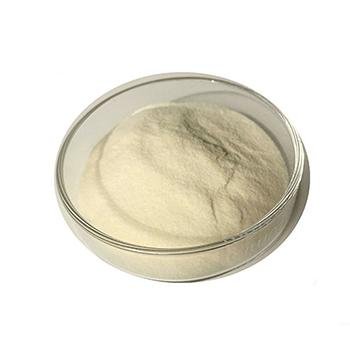
Chemical Name: Quercetin-3-O-sophoroside
CAS No.: 18609-17-1
Molecular Formula: C27H30O17
Molecular Weight: 626.52
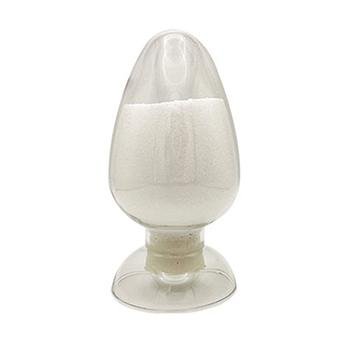
Chemical Name: Imazalil Sulfate
CAS No.: 58594-72-2
Molecular Formula: C14H14Cl2N2O.H2SO4
Molecular Weight: 395.26
Appearance: Solid
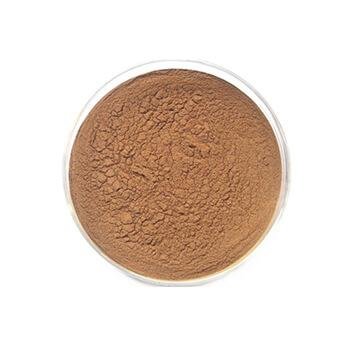
Chemical Name: Ashwagandha Extract
Synonyms: Withania somnifera, ext.; Withania Somnefera Extract
CAS: 90147-43-6
Appearance: Brown

Chemical Name: Zinc citrate
Synonyms: Zinc citrate trihydrate
CAS No.: 546-46-3
Molecular Formula: C6H8O7Zn
Molecular Weight: 257.5
Appearance: White powder



Reviews
There are no reviews yet.