

Butylated Hydroxytoluene CAS#128-37-0
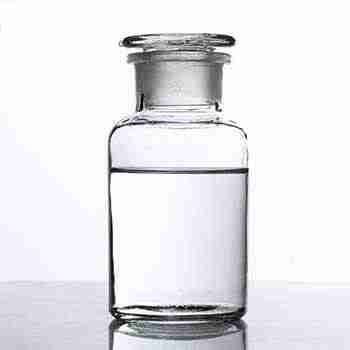

Butylated Hydroxytoluene (BHT) is a synthetic phenolic antioxidant commonly added to foods, cosmetics, and packaging to prevent the oxidation of fats and oils, thereby extending their shelf life. It is also used as a preservative in a variety of products, including rubber, petroleum products, and animal feed. BHT is recognized for its effectiveness in maintaining nutrient levels, color, flavor, and odor in food products . It is known to have a melting point of 69-71??C, a boiling point of 265??C, and is soluble in ethanol, acetone, and benzene, but not in water, glycerin, or propylene glycol . BHT is also used in some dietary supplements due to its antioxidant properties . However, it is important to handle BHT with care, as it can cause skin irritation and is considered harmful if swallowed .
Butylated Hydroxytoluene CAS#128-37-0
| Butylated Hydroxytoluene Chemical Properties |
| Melting point | 69-73???C(lit.) |
| Boiling point | 265???C(lit.) |
| density | 1.048 |
| vapor density | 7.6 (vs air) |
| vapor pressure | <0.01 mm Hg ( 20 ??C) |
| refractive index | 1.4859 |
| FEMA | 2184 | BUTYLATED HYDROXYTOLUENE |
| Fp | 127 ??C |
| storage temp. | 2-8??C |
| solubility | methanol: 0.1?g/mL, clear, colorless |
| form | Crystals |
| pka | pKa 14(H2O t = 25 c = 0.002 to 0.01) (Uncertain) |
| color | white |
| Odor | faint characteristic odor |
| Odor Type | phenolic |
| Water Solubility | insoluble |
| Merck | 14,1548 |
| BRN | 1911640 |
| Exposure limits | ACGIH: TWA 2 mg/m3 NIOSH: TWA 10 mg/m3 |
| Stability: | Stable, but light-sensitive. Incompatible with acid chlorides, acid anhydrides, brass, copper, copper alloys, steel, bases, oxidizing agents. Combustible. |
| InChIKey | NLZUEZXRPGMBCV-UHFFFAOYSA-N |
| LogP | 5.2 |
| CAS DataBase Reference | 128-37-0(CAS DataBase Reference) |
| NIST Chemistry Reference | Butylated hydroxytoluene(128-37-0) |
| IARC | 3 (Vol. 40, Sup 7) 1987 |
| EPA Substance Registry System | 2,6-Di-tert-butyl-p-cresol (128-37-0) |
| Safety Information |
| Hazard Codes | Xn,N |
| Risk Statements | 22-36/37/38-36/38-50/53 |
| Safety Statements | 26-36-37/39-61-60 |
| RIDADR | 3077 |
| OEB | B |
| OEL | TWA: 10 mg/m3 |
| WGK Germany | 1 |
| RTECS | GO7875000 |
| F | 8-10-23 |
| Autoignition Temperature | 878 ??F |
| TSCA | Yes |
| HazardClass | 9 |
| PackingGroup | III |
| HS Code | 29071900 |
| Hazardous Substances Data | 128-37-0(Hazardous Substances Data) |
| Toxicity | LD50 orally in mice: 1040 mg/kg (McOmie) |
Related Products
1-Octanol, also known as Capryl alcohol or n-Octanol, is a clear, colorless liquid with a characteristic waxy odor. It is an alcohol with eight carbon atoms in its chain, making it a part of the aliphatic alcohol family. This compound is poorly soluble in water but is miscible with ethanol, diethyl ether, and chloroform . It has a melting point of approximately -15??C and a boiling point of around 196??C . 1-Octanol is used in the production of esters, plasticizers, and as a solvent or intermediate in the synthesis of various organic compounds. It also finds application in the fragrance industry as a fixative in perfumes and can be used in the formulation of flavor and scent compositions . It is important to note that 1-Octanol is flammable and should be handled with care, storing it away from sources of ignition and heat .
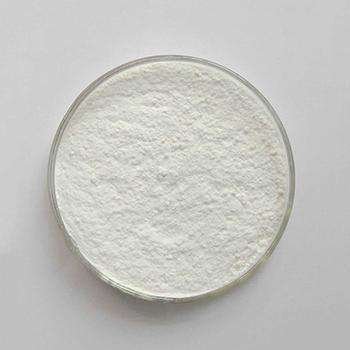
Chemical Name: Zinc citrate
Synonyms: Zinc citrate trihydrate
CAS No.: 546-46-3
Molecular Formula: C6H8O7Zn
Molecular Weight: 257.5
Appearance: White powder
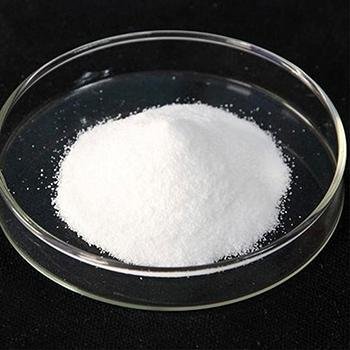
Chemical Name: UV-120
Other Name: (2’,4’-Di-tert-butylphenyl 3,5-di-tert-butyl-4-hydroxybenzoate)
CAS No.: 4221-80-1
Molecular Fomula: C29H42O3
Molecular weight: 438.66
Assay: ≥99%(LC)
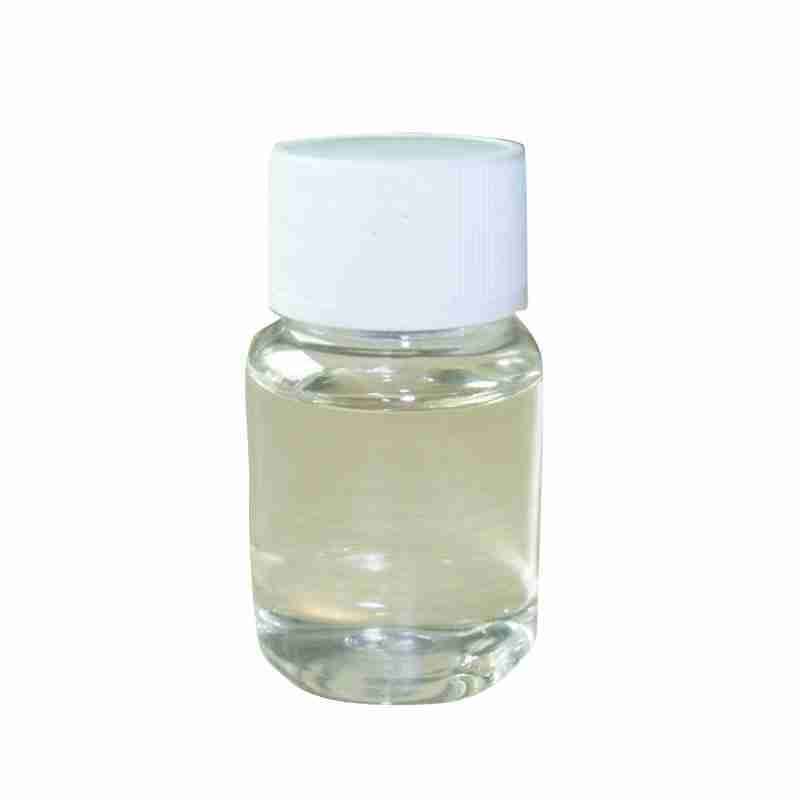
3,4-Ethylenedioxythiophene is a synthetic organic compound characterized by its unique structure that includes a thiophene ring with ethylenedioxy substituents at the 3 and 4 positions. This compound is known for its potential applications in the synthesis of various organic materials, including pharmaceuticals and organic electronic devices such as sensors and solar cells. Its stability and reactivity make it a versatile intermediate in the chemical industry.

Ethylhexyl Palmitate is a skin-conditioning ester, derived from ethylhexanol and palmitic acid, that imparts moisturization and a smooth texture to cosmetic and personal care formulations. It is valued for its emollient properties, enhancing the sensory experience of skin care products.
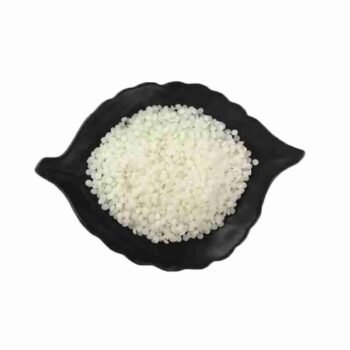
Tetraacetylethylenediamine is a fully acetylated derivative of ethylenediamine, offering a high reactivity as an intermediate in organic synthesis. Its unique structure makes it a critical component in the production of specialty chemicals and pharmaceuticals, ensuring a wide range of applications in the chemical industry.
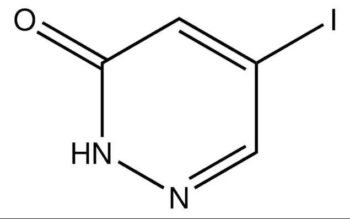
Common English name: 5-iodo-2,3-dihydropyridazin-3-one
CAS No.: 825633-94-1
Molecular formula: C4H3IN2O
Molecular weight: 221.98
Sample: Available
N,N-Dimethylaniline is an organic compound with amine and methyl groups attached to a benzene ring. It is a colorless liquid with a characteristic amine odor. This compound is primarily used as a chemical intermediate in the synthesis of dyes, pigments, and polymers. Its reactivity makes it a valuable building block in the production of various organic compounds, particularly in the pharmaceutical and chemical industries.
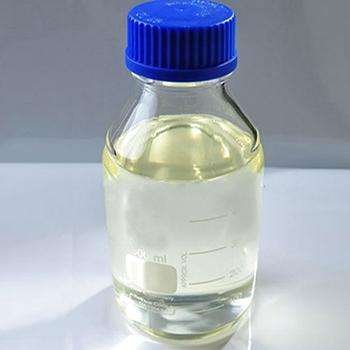
Chemical Name: 1,1,2,2-Tetrachloroethane
Other Name: Tetrachlorethane
CAS No.: 79-34-5
Molecular Formula: C2H2Cl4
Molecular Weight: 167.85
Appearance: Liquid
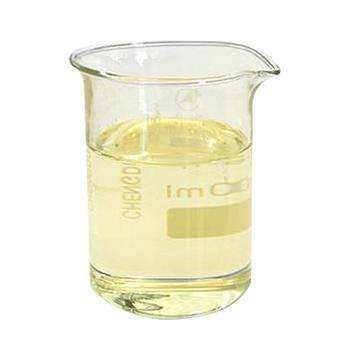
Chemical Name: Potassium Castorate
CAS No.: 8013-05-6
Molecular Formula: C57H107K3O12
Molecular Weight: 1101.74718
Appearance: Yellow Liquid
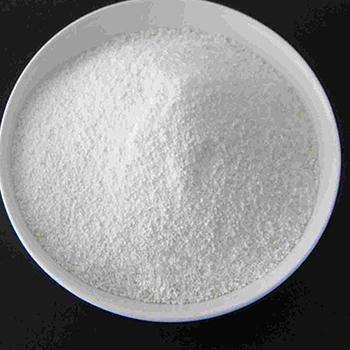
Chemical Name: Dehydrocholic acid
Synonyms: Acide dehydrocholique; Triketocholanic acid
CAS No.: 81-23-2
Molecular Formula: C24H34O5
Molecular Weight: 402.53
Appearance: Powder
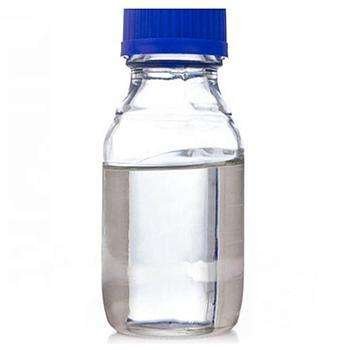
Chemical Name: STODDARD SOLVENT
CAS No.: 64742-88-7
Appearance: Colorless or Light Yellow Liquid


