Benzyl alcohol CAS#100-51-6

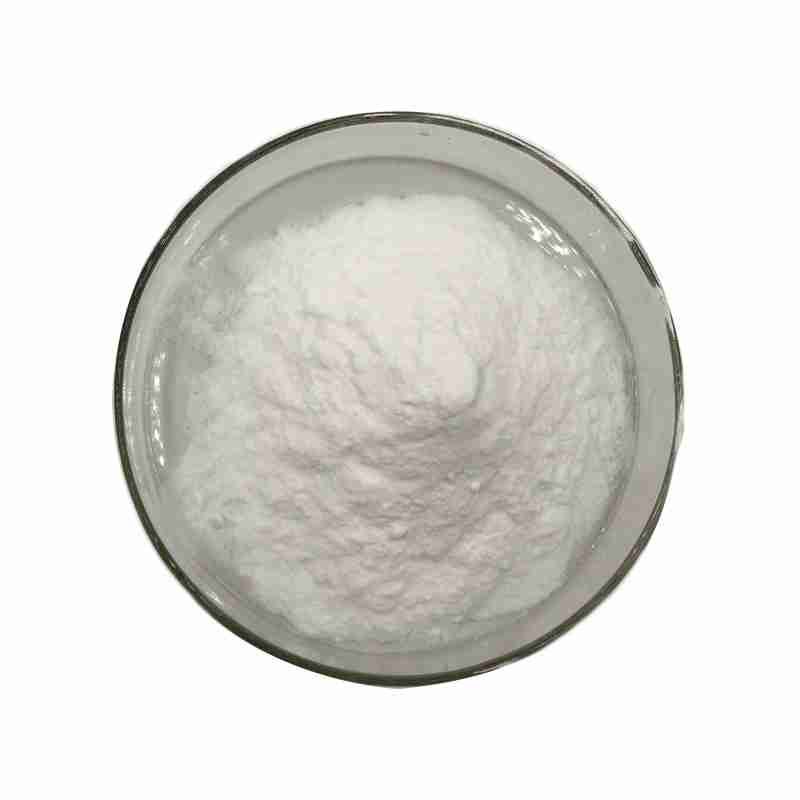
Benzyl alcohol is an aromatic alcohol with the chemical formula ( C_7H_8O ). It is a colorless liquid known for its distinctive floral odor and is used as a fragrance component in cosmetics and perfumes. Additionally, it serves as a solvent in the pharmaceutical industry and as a preservative in various products due to its antimicrobial properties.
Benzyl alcohol
| Benzyl alcohol Chemical Properties |
| Melting point | -15 ??C |
| Boiling point | 205 ??C |
| density | 1.045?g/mL?at 25???C(lit.) |
| vapor density | 3.7 (vs air) |
| vapor pressure | 13.3 mm Hg ( 100 ??C) |
| refractive index | n20/D?1.539(lit.) |
| FEMA | 2137 | BENZYL ALCOHOL |
| Fp | 201???F |
| storage temp. | Store at +2??C to +25??C. |
| solubility | H2O: 33?mg/mL, clear, colorless |
| form | Liquid |
| pka | 14.36??0.10(Predicted) |
| color | APHA: ??20 |
| Relative polarity | 0.608 |
| Odor | Mild, pleasant. |
| Odor Type | floral |
| explosive limit | 1.3-13%(V) |
| Water Solubility | 4.29 g/100 mL (20 oC) |
| Merck | 14,1124 |
| JECFA Number | 25 |
| BRN | 878307 |
| Henry’s Law Constant | <2.70 x 10⁻⁷?at 25 ??C (thermodynamic method-GC/UV, Altschuh et al., 1999) |
| Exposure limits | No exposure limit is set. Because of its low vapor pressure and low toxicity, the health hazard to humans from occupational exposure should be very low. |
| Dielectric constant | 13.1??20?棩 |
| InChIKey | WVDDGKGOMKODPV-UHFFFAOYSA-N |
| LogP | 1.05 at 20?? |
| CAS DataBase Reference | 100-51-6(CAS DataBase Reference) |
| NIST Chemistry Reference | Benzyl alcohol(100-51-6) |
| EPA Substance Registry System | Benzyl alcohol (100-51-6) |
| Safety Information |
| Hazard Codes | Xn,T |
| Risk Statements | 20/22-63-43-36/37/38-23/24/25-45-40 |
| Safety Statements | 26-36/37-24/25-23-53 |
| RIDADR | UN 1593 6.1/PG 3 |
| WGK Germany | 1 |
| RTECS | DN3150000 |
| F | 8-10-23-35 |
| Autoignition Temperature | 817 ??F |
| TSCA | Yes |
| HS Code | 29062100 |
| Hazardous Substances Data | 100-51-6(Hazardous Substances Data) |
| Toxicity | LD50 orally in rats: 3.1 g/kg (Smyth) |
Related Products

Terpene resin is a type of natural resin derived from terpenes, which are organic compounds found in various plants. It is known for its aromatic properties and is commonly used in the production of fragrances, flavorings, and as a component in adhesives and coatings within the chemical industry. Terpene resin offers a range of benefits, including enhancing the solubility of essential oils and providing a stable base for various applications. Its natural origin makes it a preferred choice for eco-friendly products.

Butylated Hydroxytoluene (BHT) is a synthetic phenolic antioxidant commonly added to foods, cosmetics, and packaging to prevent the oxidation of fats and oils, thereby extending their shelf life. It is also used as a preservative in a variety of products, including rubber, petroleum products, and animal feed. BHT is recognized for its effectiveness in maintaining nutrient levels, color, flavor, and odor in food products . It is known to have a melting point of 69-71??C, a boiling point of 265??C, and is soluble in ethanol, acetone, and benzene, but not in water, glycerin, or propylene glycol . BHT is also used in some dietary supplements due to its antioxidant properties . However, it is important to handle BHT with care, as it can cause skin irritation and is considered harmful if swallowed .
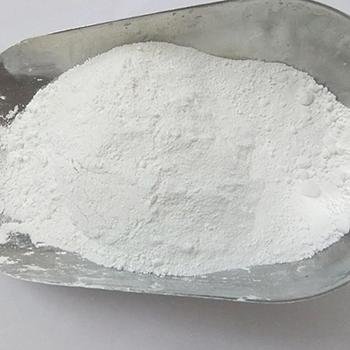
Product name:Cyclopentane
Purity:96%
Appearance:White powder
Package:25kg/bag
Sample:Available
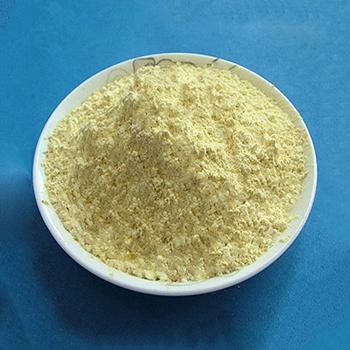
Product name:HYDROXYPROPYL GUAR HYDROXYPROPYLTRIMONIUM CHLORIDE
Purity:99%
Appearance:Light Yellow Powder
Package:Customized according to customer needs.
Sample:Available
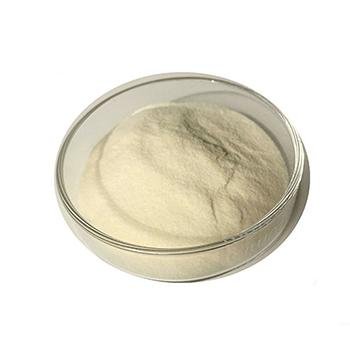
Chemical Name: Quercetin-3-O-sophoroside
CAS No.: 18609-17-1
Molecular Formula: C27H30O17
Molecular Weight: 626.52

Ethylhexyl Palmitate is a skin-conditioning ester, derived from ethylhexanol and palmitic acid, that imparts moisturization and a smooth texture to cosmetic and personal care formulations. It is valued for its emollient properties, enhancing the sensory experience of skin care products.

Chemical Name: Arabic gum
CAS No.: 9000-01-5
Appearance: powder
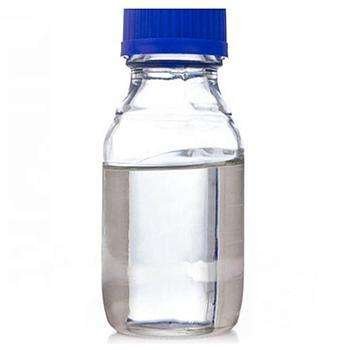
Chemical Name: STODDARD SOLVENT
CAS No.: 64742-88-7
Appearance: Colorless or Light Yellow Liquid
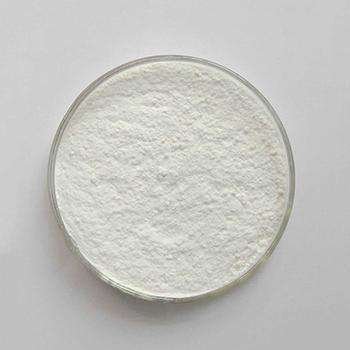
Chemical Name: Zinc citrate
Synonyms: Zinc citrate trihydrate
CAS No.: 546-46-3
Molecular Formula: C6H8O7Zn
Molecular Weight: 257.5
Appearance: White powder

Benzothiazoles are a class of chemical compounds characterized by a fused benzene and thiazole ring. They exhibit a broad spectrum of applications, particularly as antioxidants in rubber and plastic industries, enhancing product longevity and performance. Additionally, benzothiazoles serve as key intermediates in the synthesis of pharmaceuticals, contributing to the development of life-saving drugs. Recognized for their stability and reactivity, these compounds are integral to advancing material science and healthcare solutions.
Silicones are a family of synthetic polymers known for their versatility and stability. They are heat-resistant, non-toxic, and have excellent electrical insulation properties. Commonly used in various industries such as construction, automotive, aerospace, and personal care products, silicones offer a wide range of applications from sealants and adhesives to lubricants and medical devices. Their resistance to extreme temperatures and weathering makes them a preferred choice for many high-performance applications.
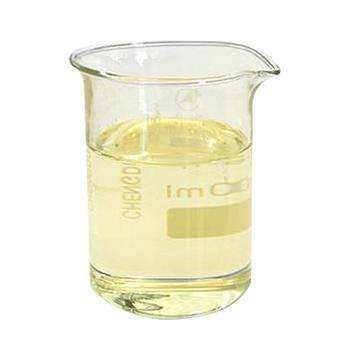
Chemical Name: Potassium Castorate
CAS No.: 8013-05-6
Molecular Formula: C57H107K3O12
Molecular Weight: 1101.74718
Appearance: Yellow Liquid




![(2S,3R)-2-[[(2S)-6-amino-2-(hexadecanoylamino)hexanoyl]amino]-3-hydroxybutanoic acid CAS 911813-90-6](https://bgbchem.com/wp-content/uploads/2025/08/911813-90-6.jpg)