

Description
ArbutinQuick Details
Chemical Name:Arbutin
Other name:??-Arbutin
CAS No.:497-76-7
Molecular Fomula:C12H16O7
Chemical Stucture:
Molecular weight:272.25
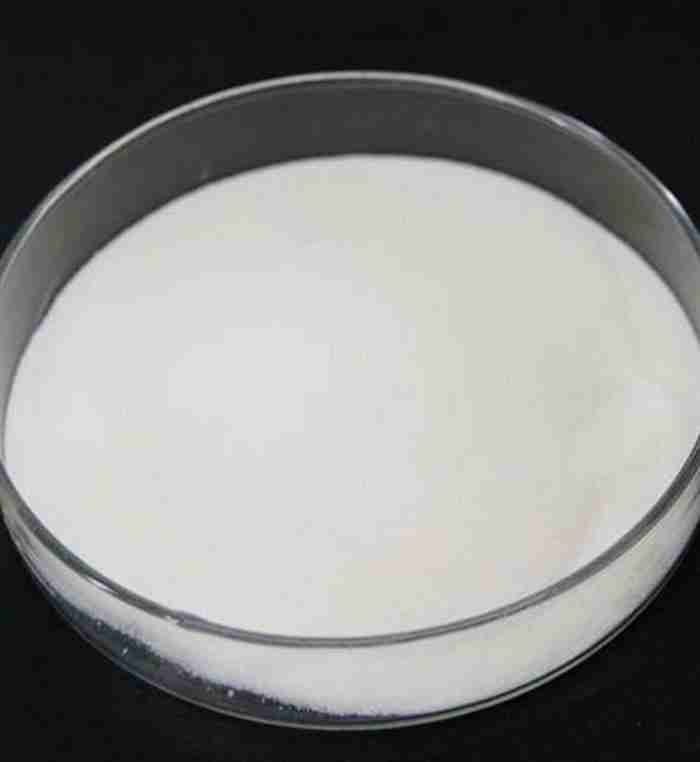
Appearance:White crystalline powder
Assay??99.5%min
ArbutinTypical Properties
Item
Specifications
Appearance
White crystalline powder
Assay
??99.5%
Melting point
199~201??0.5??
Clarity of water solution
Transpency,colorless,nonesuspended matters
pH value of 1% aqueous solution
5.0~7.0
Specific optical value
??????D20=-66??2??
Infrared peak value
1515cm-11220cm-11050cm-1??(5~8)cm-1
Arsenic
??2ppm
Hydroquinone
??20ppm
Heaby metal
??20ppm
Loss on drying
??0.5%
Ignition residue
??0.5%
Arsenic
??2ppm
Use of Arbutin
1. In cosmetics, it can gradually dilute and remove skin freckles, chloasma, melanin, acne and age spots. It has high safety without side effects such as irritation and sensitization. It has good compatibility with various components of cosmetics and its ultraviolet irradiation is stable.
2. It is a triterpenoid compound found in natural plants, which has various biological effects such as sedative, anti-inflammatory, antibacterial, anti-diabetic, anti-ulcer and lower blood sugar.
3. In recent years, it has been found to have functions of anti-cancer, inducing cell differentiation and anti angiogenesis of F9 teratoma. As a result, it is likely to become ananti-cancer medicine with low toxicity and highly effective.
4. It is used as a diuretic medicine and a urinary anti-infective medicine. It is also used as a color photography development stabilizer.
ArbutinPackaging and Shipping
1kg or 5 kg/Aluminum foil bag 20kg or 25 kg/Paper fiber drum
ArbutinStorage
Stored in cool dry and sealed containers
Related Products

Chemical Name: 3-Hydroxybutyric acid
CAS No.: 625-71-8
Molecular Formula: C4H8O3
Molecular Weight: 104.1
Appearance: White powder

Butylated Hydroxytoluene (BHT) is a synthetic phenolic antioxidant commonly added to foods, cosmetics, and packaging to prevent the oxidation of fats and oils, thereby extending their shelf life. It is also used as a preservative in a variety of products, including rubber, petroleum products, and animal feed. BHT is recognized for its effectiveness in maintaining nutrient levels, color, flavor, and odor in food products . It is known to have a melting point of 69-71??C, a boiling point of 265??C, and is soluble in ethanol, acetone, and benzene, but not in water, glycerin, or propylene glycol . BHT is also used in some dietary supplements due to its antioxidant properties . However, it is important to handle BHT with care, as it can cause skin irritation and is considered harmful if swallowed .
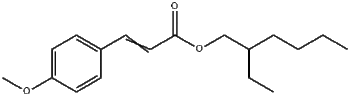
Octyl 4-methoxycinnamate, scientifically known as 2-Ethylhexyl 4-Methoxycinnamate, is a highly effective organic UV filter commonly used in the formulation of sunscreens and cosmetic products. This compound is renowned for its ability to absorb ultraviolet B (UVB) radiation, providing a reliable defense against the sun’s harmful effects on the skin.
Characterized by its chemical formula C19H28O3, Octyl 4-methoxycinnamate is a liquid ester that is readily soluble in organic solvents. It is valued for its photostability, which means it maintains its protective properties even after prolonged exposure to sunlight. This feature makes it an ideal ingredient for products designed to offer long-lasting sun protection.
In addition to its UVB absorption capabilities, Octyl 4-methoxycinnamate is also appreciated for its compatibility with other UV filters, allowing for the creation of broad-spectrum sunscreens. It contributes to the development of formulations that are non-greasy and cosmetically elegant, suitable for a variety of skin types.
As a key component in sun care products, Octyl 4-methoxycinnamate supports the skin’s health by preventing sunburn, reducing the risk of skin cancer, and delaying the signs of photoaging. Its safety profile and efficacy make it a preferred choice in the personal care and dermatological industries for sun protection solutions.
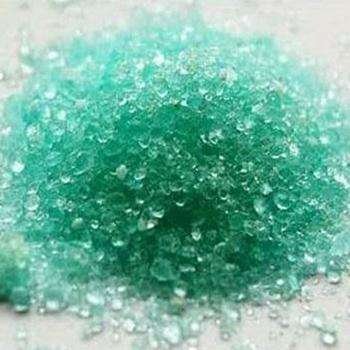
Chemical Name: Ammonium Iron(II) Sulfate
Synonyms: Diammonium iron bis(sulphate); iron (ii) ammonium sulfate
CAS No.: 10045-89-3
Molecular Formula: FeH5NO4S
Molecular Weight: 170.95

Chemical Name: UV-120
Other Name: (2’,4’-Di-tert-butylphenyl 3,5-di-tert-butyl-4-hydroxybenzoate)
CAS No.: 4221-80-1
Molecular Fomula: C29H42O3
Molecular weight: 438.66
Assay: ≥99%(LC)
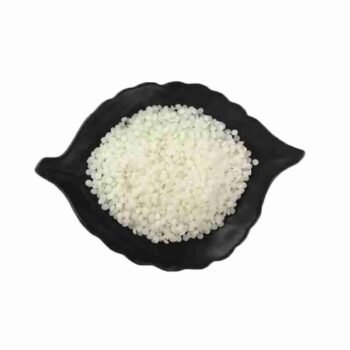
Tetraacetylethylenediamine is a fully acetylated derivative of ethylenediamine, offering a high reactivity as an intermediate in organic synthesis. Its unique structure makes it a critical component in the production of specialty chemicals and pharmaceuticals, ensuring a wide range of applications in the chemical industry.

Chemical Name: o-Xylene
Synonyms: 1,2-Dimethylbenzene; ortho-xylene
CAS No.: 95-47-6
Molecular Formula: C8H10
Molecular Weight: 106.17

Polyhexamethylene guanidine hydrochloride, often abbreviated as PHMG-HCl, is a high molecular weight polymeric biguanide compound known for its potent antimicrobial properties. With a chemical structure that features a long chain of methylene groups bridged by guanidine units, PHMG-HCl is effective against a broad spectrum of microorganisms, including bacteria, viruses, and fungi.
This hydrochloride salt form of PHMG is highly soluble in water and is commonly used in various applications due to its non-irritant and non-toxic nature to human skin and mucous membranes. It is widely recognized for its ability to form a colorless and odorless solution, making it an ideal choice for use in personal care products, medical disinfectants, and water treatment processes.
The versatility of PHMG-HCl lies in its cationic nature, which allows it to bind to negatively charged microbial cell walls, disrupting their integrity and leading to cell death. This mechanism of action contributes to its effectiveness as a preservative and disinfectant. Moreover, its substantivity, or the ability to adhere to surfaces, enhances its long-lasting antimicrobial activity.
In summary, Polyhexamethylene guanidine hydrochloride is a reliable and efficient antimicrobial agent, pivotal in industries where hygiene and cleanliness are paramount, offering a safe and sustainable solution for microbial control.
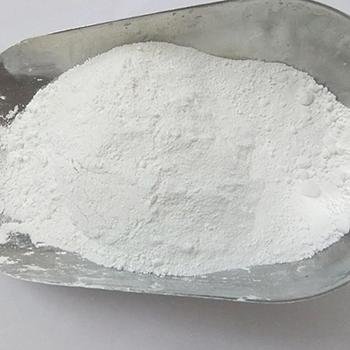
Product name:Cyclopentane
Purity:96%
Appearance:White powder
Package:25kg/bag
Sample:Available


Octocrylene is an organic compound widely recognized for its potent UV-filtering properties, making it an essential ingredient in sunscreens and other skincare products designed to protect the skin from harmful ultraviolet radiation. With the chemical name 2-(4-Methylbenzyl)-2H-benzotriazole-5-methyl, octocrylene is a stable and photostable molecule that provides broad-spectrum protection against both UVA and UVB rays.
This oil-soluble chemical is valued for its ability to absorb UV radiation effectively, converting it into heat without causing skin irritation or staining clothes. Octocrylene is often used in combination with other UV filters to enhance the sun protection factor (SPF) of formulations, ensuring a balanced and comprehensive defense against sun damage.
As a lipophilic compound, octocrylene is compatible with various cosmetic and dermatological formulations, contributing to the development of lightweight, non-greasy sunscreens. Its chemical structure allows for a high degree of safety and efficacy, making it suitable for a wide range of skin types, including sensitive skin.
In summary, octocrylene is a reliable and efficient UV filter, pivotal in the formulation of modern sunscreens that offer advanced protection against the sun’s harmful effects while maintaining skin comfort and product aesthetics.
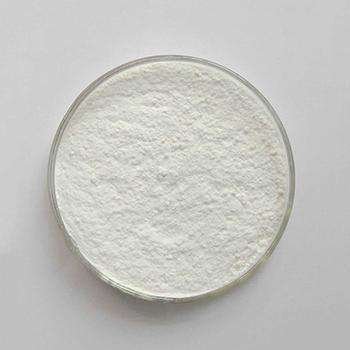
Chemical Name: Zinc citrate
Synonyms: Zinc citrate trihydrate
CAS No.: 546-46-3
Molecular Formula: C6H8O7Zn
Molecular Weight: 257.5
Appearance: White powder
Benzothiazoles are a class of chemical compounds characterized by a fused benzene and thiazole ring. They exhibit a broad spectrum of applications, particularly as antioxidants in rubber and plastic industries, enhancing product longevity and performance. Additionally, benzothiazoles serve as key intermediates in the synthesis of pharmaceuticals, contributing to the development of life-saving drugs. Recognized for their stability and reactivity, these compounds are integral to advancing material science and healthcare solutions.



Reviews
There are no reviews yet.