

Anise oil CAS 8007-70-3
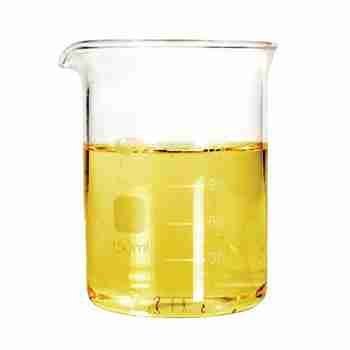
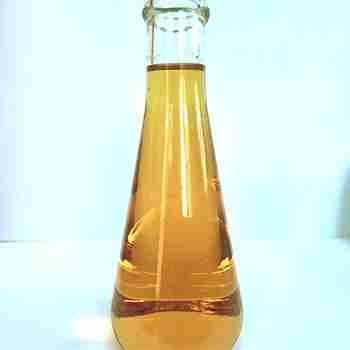
Chemical Name: Anise oil
Synonyms: Star Anise Essential Oil; ANISE SEED OIL; Aniseed Essential Oil
CAS No.: 8007-70-3
Molecular Formula: W99
Molecular Weight: 0
Molecular Structure: NULL
Appearance: Liquid
Description
Anise oil Details
Chemical Name: Anise oil
Synonyms: Star Anise Essential Oil; ANISE SEED OIL; Aniseed Essential Oil
CAS No.: 8007-70-3
Molecular Formula: W99
Molecular Weight: 0
Molecular Structure: NULL
Appearance: Liquid
Typical?Properties
Boiling point
232 ??C(lit.)
Melting point
14-19 ??C
Density
0.980?g/mL?at 25???C(lit.)
Flash point
199???F
Storage
2-8??C
Appearance
Liquid
Refractive index
n20/D 1.554(lit.)
Color
Yellow
?
Anise oil Usage
Spices. It is mainly used directly for cooking seasoning and is also an important raw material for preparing five-spice powder, or for extracting essential oils.
It is mainly used to extract anethole and is also used in the preparation of flavoring agents for beverages, food, tobacco, etc., as well as in medicine.
Packaging and Shipping
Packing: 25KG/Bag
Anise oil Storage
Store below 30??C. Keep in a well-closed,light-resistant, dry, and cool place.
Related Products

Chemical Name: UV-120
Other Name: (2’,4’-Di-tert-butylphenyl 3,5-di-tert-butyl-4-hydroxybenzoate)
CAS No.: 4221-80-1
Molecular Fomula: C29H42O3
Molecular weight: 438.66
Assay: ≥99%(LC)

Chemical Name: Zinc citrate
Synonyms: Zinc citrate trihydrate
CAS No.: 546-46-3
Molecular Formula: C6H8O7Zn
Molecular Weight: 257.5
Appearance: White powder
Light aromatic solvent oil is a mixture of various aromatic compounds, which may contain some dangerous ingredients. For example, a certain varnish base mentioned in a document contains 3-5% light aromatic solvent naphtha (petroleum), as well as benzoic acid, 1,2,4-trimethylbenzene, 4-methyl-2-pentanone, butyl acetate, ethyl 3-ethoxypropionate, bis(1,2,2,6,6-pentylmethyl-4-piperidinyl) sebacate, methyl-1,2,2,6,6-pentamethyl-4-piperidinyl sebacate, 3-(2H-benzotriazol-2-yl)-5-(1,1-dimethylethyl)-4-hydroxy-phenylpropionic acid-C7-9 (branched and linear) alkyl esters and other ingredients.
Chemical Name: 5-Methyl-2-acetylfuran
CAS No.: 1193-79-9
Molecular Fomula: C7H8O2
Molecular weight:?124.14
Appearance:?Colorless to light yellow liquid

Chemical Name: 1,1,2,2-Tetrachloroethane
Other Name: Tetrachlorethane
CAS No.: 79-34-5
Molecular Formula: C2H2Cl4
Molecular Weight: 167.85
Appearance: Liquid
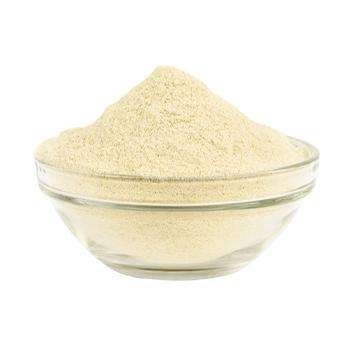
Chemical Name: Arabic gum
CAS No.: 9000-01-5
Appearance: powder

Chemical Name: Dehydrocholic acid
Synonyms: Acide dehydrocholique; Triketocholanic acid
CAS No.: 81-23-2
Molecular Formula: C24H34O5
Molecular Weight: 402.53
Appearance: Powder
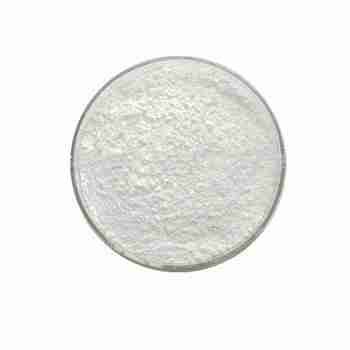
Chemical Name: Methyl cedryl ether
CAS No.: 19870-74-7
Molecular Fomula:?C16H28O
Molecular weight: 236.39
Appearance:?White?powder
Assay: ??99.0%
Chemical Name: STODDARD SOLVENT
CAS No.: 64742-88-7
Appearance: Colorless or Light Yellow Liquid
Chemical Name:?Ethyl Hexanoate
Synonyms: Ethyl caproate; Caproic acid ethyl ester; Ethyl butyl acetate; capronic ether; hexanoic acid ethyl ester
CAS No.: 123-66-0
Molecular Formula: C8H16O2
Molecular Weight: 144.21

Common English name: 5-iodo-2,3-dihydropyridazin-3-one
CAS No.: 825633-94-1
Molecular formula: C4H3IN2O
Molecular weight: 221.98
Sample: Available
Pogostemon cablin (Blanco) Benth Made from dried leaves. It is a viscous liquid ranging from reddish brown to greenish brown, with a unique, slightly camphor like woody fragrance.The patchouli shrub is mainly planted in Indonesia. It grows up to 1 meter, but when harvested, it will be cut to 10-15 centimeters. It is best to extract oil from sun dried leaves, with a yield of about 2%.The three terpenoids found in patchouli oil, namely caryophyllene, patchouli alcohol or patchouli alcohol, and nopachenol, are the typical sources of patchouli fragrance. Thin layer chromatography and high performance liquid chromatography are used to identify potential chemical markers for evaluating the quality of the Chinese herbal medicine ingredient ??patchouli herb?? (aboveground part of patchouli). In addition to the reported patchouli alcohol and 2-hydroxy-6-methyl-3- (4-methylpentanoyl) -4-pyranone, three phenylethane compounds (acteoside, isoacteoside, and crenatoside) were also isolated from this plant material for the first time.




Reviews
There are no reviews yet.