
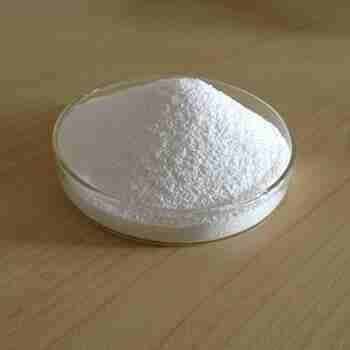
9,9-diphenyl-9H-fluoreN-2-ylboronicacid CAS 400607-31-0
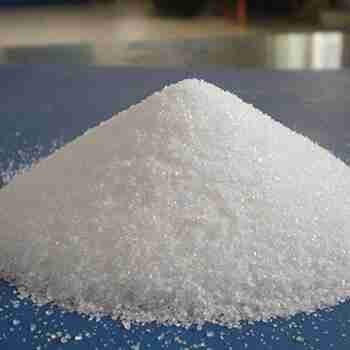
Chemical Name: 9,9-diphenyl-9H-fluoreN-2-ylboronicacid
CAS No.: 400607-31-0
Molecular Fomula: C25H19BO2
Molecular weight: 362.23
Appearance: White powder
Description
Sodium 2-ethylhexyl sulfate Quick Details
Chemical Name: 9,9-diphenyl-9H-fluoreN-2-ylboronicacid
CAS No.: 400607-31-0
Molecular Fomula: C25H19BO2
Chemical Structure:
Molecular weight: 362.23
Appearance: White powder
Typical Properties
ITEMS
SPECIFICATION
Appearance
White powder
Boiling point
546.3??60.0 ??C(Predicted)
Density
1.28??0.1 g/cm3(Predicted)
?
9,9-diphenyl-9H-fluoreN-2-ylboronicacid application:
9,9-Diphenylfluorene-2-boronic acid can be used to synthesize pyrrole/polycyclic aromatic units. It is a potential electroluminescent material.
Packaging and Shipping?
180KG drum.
9,9-diphenyl-9H-fluoreN-2-ylboronicacid Storage
The warehouse needs to be low-temperature, ventilated, and dry.
Related Products
Chemical Name: o-Xylene
Synonyms: 1,2-Dimethylbenzene; ortho-xylene
CAS No.: 95-47-6
Molecular Formula: C8H10
Molecular Weight: 106.17

Chemical Name: Ashwagandha Extract
Synonyms: Withania somnifera, ext.; Withania Somnefera Extract
CAS: 90147-43-6
Appearance: Brown
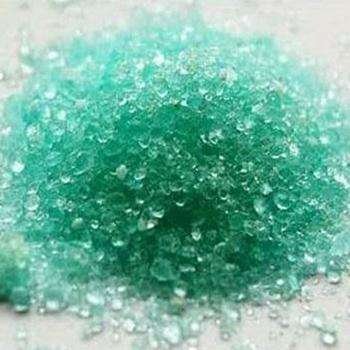
Chemical Name: Ammonium Iron(II) Sulfate
Synonyms: Diammonium iron bis(sulphate); iron (ii) ammonium sulfate
CAS No.: 10045-89-3
Molecular Formula: FeH5NO4S
Molecular Weight: 170.95
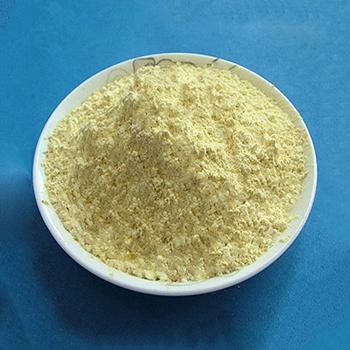
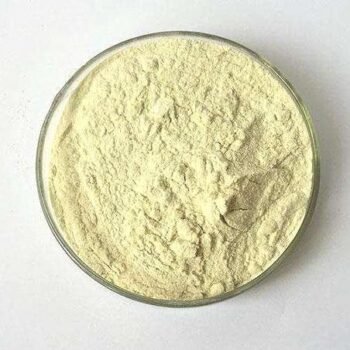
Product name:HYDROXYPROPYL GUAR HYDROXYPROPYLTRIMONIUM CHLORIDE
Purity:99%
Appearance:Light Yellow Powder
Package:Customized according to customer needs.
Sample:Available
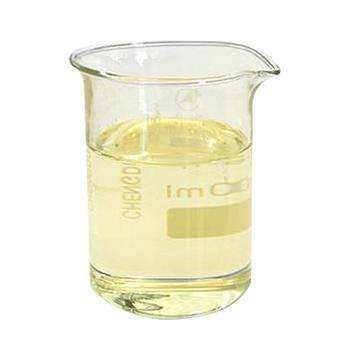
Chemical Name: Potassium Castorate
CAS No.: 8013-05-6
Molecular Formula: C57H107K3O12
Molecular Weight: 1101.74718
Appearance: Yellow Liquid
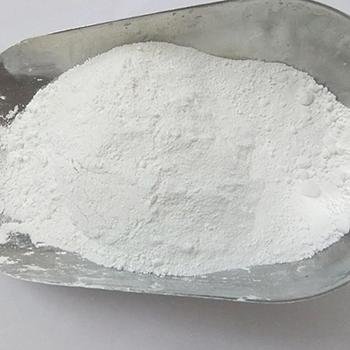
Product name:Cyclopentane
Purity:96%
Appearance:White powder
Package:25kg/bag
Sample:Available
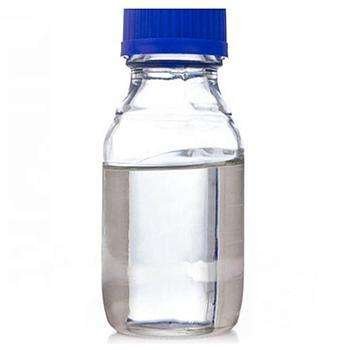
Chemical Name: STODDARD SOLVENT
CAS No.: 64742-88-7
Appearance: Colorless or Light Yellow Liquid

Chemical Name: 3-Hydroxybutyric acid
CAS No.: 625-71-8
Molecular Formula: C4H8O3
Molecular Weight: 104.1
Appearance: White powder
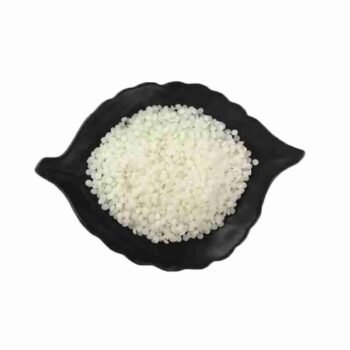
Tetraacetylethylenediamine is a fully acetylated derivative of ethylenediamine, offering a high reactivity as an intermediate in organic synthesis. Its unique structure makes it a critical component in the production of specialty chemicals and pharmaceuticals, ensuring a wide range of applications in the chemical industry.
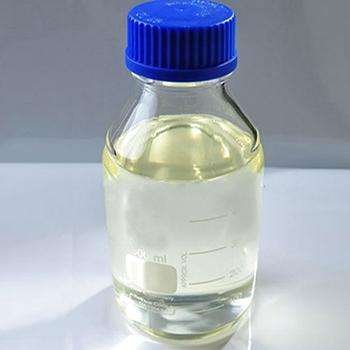
Chemical Name: 1,1,2,2-Tetrachloroethane
Other Name: Tetrachlorethane
CAS No.: 79-34-5
Molecular Formula: C2H2Cl4
Molecular Weight: 167.85
Appearance: Liquid
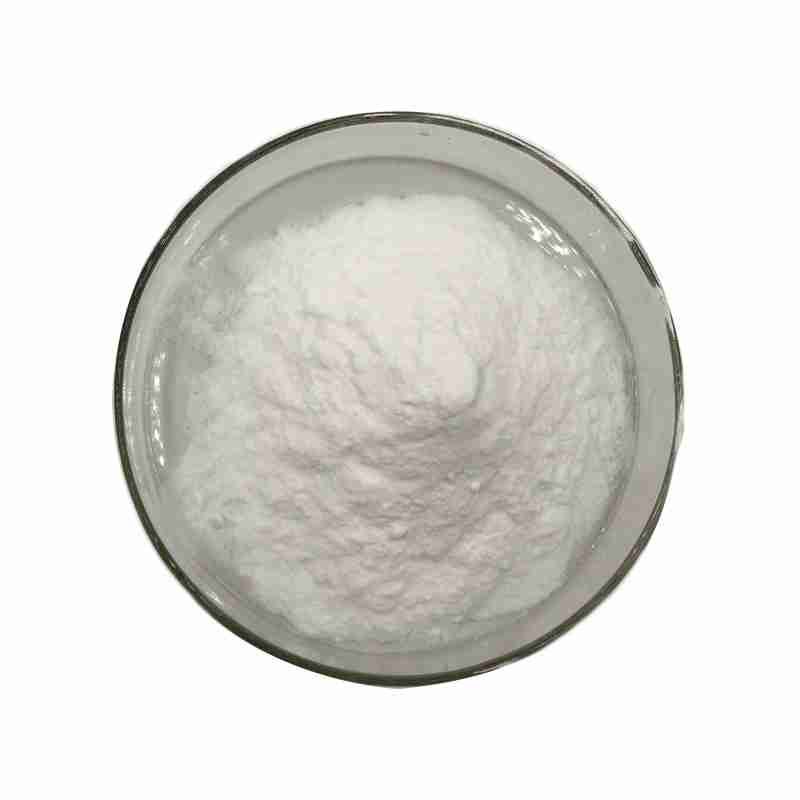
Succinimide is a heterocyclic organic compound and an important industrial chemical. It serves as a key intermediate in the synthesis of various pharmaceuticals, agrochemicals, and other specialty chemicals. Known for its reactivity and versatility, succinimide is widely used in the production of succinic anhydride, a precursor to many polymers and plasticizers, highlighting its significance in the chemical industry.

Terpene resin is a type of natural resin derived from terpenes, which are organic compounds found in various plants. It is known for its aromatic properties and is commonly used in the production of fragrances, flavorings, and as a component in adhesives and coatings within the chemical industry. Terpene resin offers a range of benefits, including enhancing the solubility of essential oils and providing a stable base for various applications. Its natural origin makes it a preferred choice for eco-friendly products.



Reviews
There are no reviews yet.