

Description
7,8-Dihydroxyflavone?Quick Details
Chemical Name: 7,8-Dihydroxyflavone
CAS No.: 38183-03-8
Molecular Formula: C15H10O4
Molecular weight:?254.24
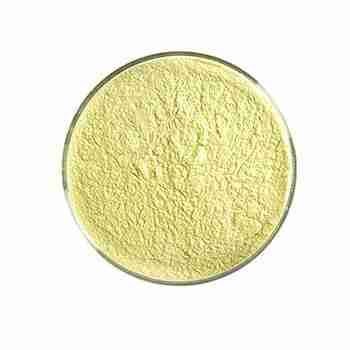
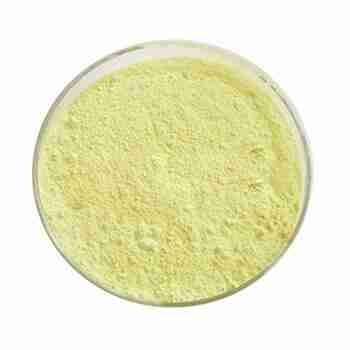
Appearance:?Yellow powder
Assay: 98%min
Typical Properties
Analysis
Specification
Assay
98%
Identification
Positive
Appearance
Yellow Powder
Odor
Characteristic
Particle size
100% through 80 mesh
Loss on Drying
1.0% Max
?
7,8-Dihydroxyflavone?application:
7,8-dihydroxyflavone can be used as dietary supplements.
Packaging and Shipping?
1kg/bag, 25kg/fiber drum
7,8-Dihydroxyflavone?Storage
It should be stored in a clean, dry and cool place, preventing from sunlight, rain.
Related Products
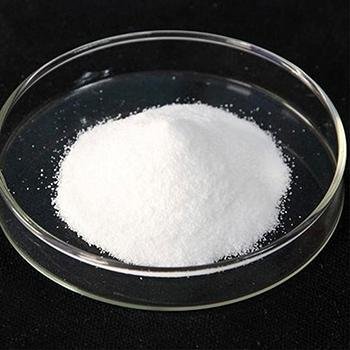
Chemical Name: UV-120
Other Name: (2’,4’-Di-tert-butylphenyl 3,5-di-tert-butyl-4-hydroxybenzoate)
CAS No.: 4221-80-1
Molecular Fomula: C29H42O3
Molecular weight: 438.66
Assay: ≥99%(LC)
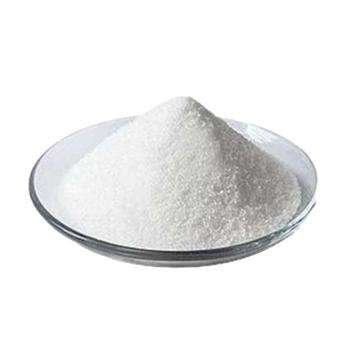
Chemical Name: 3-Hydroxybutyric acid
CAS No.: 625-71-8
Molecular Formula: C4H8O3
Molecular Weight: 104.1
Appearance: White powder

Chemical Name:?Quassin
CAS No.: 76-78-8
Molecular Formula: C22H28O6
Molecular Weight: 388.45
Appearance: White Solid

Chemical Name: Oxyresveratrol
Synonyms: trans-Oxyresveratrol
CAS No.: 29700-22-9
Molecular Fomula: C14H12O4
Molecular weight: 244.24
Appearance: White to light yellow powder
Assay: 98%
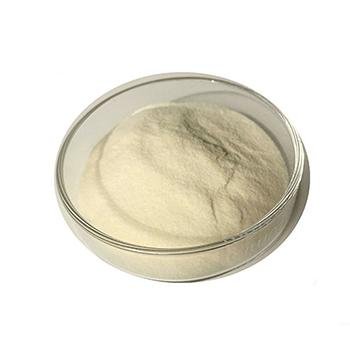
Chemical Name: Quercetin-3-O-sophoroside
CAS No.: 18609-17-1
Molecular Formula: C27H30O17
Molecular Weight: 626.52

Chemical Name:?Ptaquiloside
CAS No.: 87625-62-5
Molecular Formula: C20H30O8
Molecular Weight: 398.45
Appearance: White Powder

Chemical Name: Dehydrocholic acid
Synonyms: Acide dehydrocholique; Triketocholanic acid
CAS No.: 81-23-2
Molecular Formula: C24H34O5
Molecular Weight: 402.53
Appearance: Powder
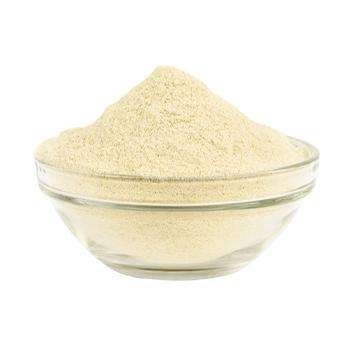
Chemical Name: Arabic gum
CAS No.: 9000-01-5
Appearance: powder

Peony is the dried root of the perennial herbaceous plant Paeoniaceae in the Paeoniaceae family. It is bitter, sour and slightly cold. It returns to the liver and spleen meridians. It has the functions of calming the liver and relieving pain, nourishing blood and regulating menstruation, astringing yin and stopping sweating. It is used for headaches, dizziness, rib pain, abdominal pain, cramps and pain in limbs, blood deficiency and chlorosis, irregular menstruation, spontaneous perspiration, and night sweats.
Paeoniflorin is the main functional component of peony. It is an important physiologically active substance with anti-inflammatory effects, immune system effects, liver protection effects, analgesic effects, etc.

Hydroxytyrosol has anti-inflammatory effects, dilates blood vessels and antibacterial effects, can prevent atherosclerosis, can reduce the incidence of certain cancers (such as breast, prostate, endometrial, digestive tract); Due to its strong antioxidant activity and the effect of reducing the incidence of cancer, hydroxytyrosol has great prospects for medical use. Hydroxytyrosol is a tyrosol metabolite that is also found in olive oil and contains strong antioxidant propertie.
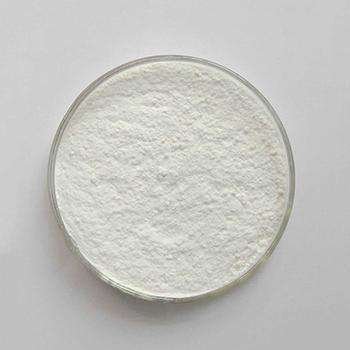
Chemical Name: Zinc citrate
Synonyms: Zinc citrate trihydrate
CAS No.: 546-46-3
Molecular Formula: C6H8O7Zn
Molecular Weight: 257.5
Appearance: White powder
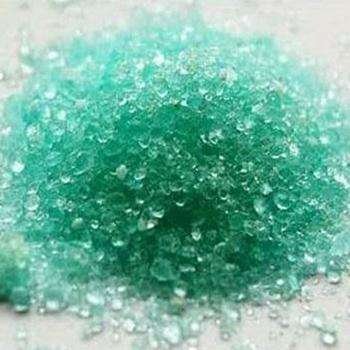
Chemical Name: Ammonium Iron(II) Sulfate
Synonyms: Diammonium iron bis(sulphate); iron (ii) ammonium sulfate
CAS No.: 10045-89-3
Molecular Formula: FeH5NO4S
Molecular Weight: 170.95



Reviews
There are no reviews yet.