

4-Methylsalicylic acid # CAS 50-85-1
![2-(2-[4-(1,1,3,3-Tetramethylbutyl)phenoxy]ethoxy)ethanol CAS#9036-19-5](https://bgbchem.com/wp-content/uploads/2025/08/2-8-2.jpg)

4-Methylsalicylic acid, CAS No. 50-85-1, has the following characteristics:
Properties:
Appearance: White to slightly yellow crystalline powder.
Melting point: 179 – 182??C.
Boiling point: about 300??C.
Solubility: slightly soluble in water, easily soluble in organic solvents such as ethanol, ether, chloroform, etc.
Uses:
Pharmaceutical synthesis: can be used as a pharmaceutical intermediate for the synthesis of some drugs.
Chemical analysis: used as a reagent in chemical analysis.
Preparation method:
Usually prepared by oxidation reaction of p-cresol.
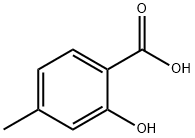
| 4-Methylsalicylic acid Basic information |
| Product Name: | 4-Methylsalicylic acid |
| Synonyms: | 2,4-cresoticacid;2-hydroxy-4-methyl-benzoicaci;4-Methyl-2-hydroxybenzoic acid;Benzoic acid, 2-hydroxy-4-methyl-;gamma-Cresotic acid;gamma-cresoticacid;m-Homosalicylic acid;m-homosalicylicacid |
| CAS: | 50-85-1 |
| MF: | C8H8O3 |
| MW: | 152.15 |
| EINECS: | 200-068-3 |
| Product Categories: | Aromatics;Aromatic Carboxylic Acids, Amides, Anilides, Anhydrides & Salts;bc0001 |
| Mol File: | 50-85-1.mol |
 |
|
| 4-Methylsalicylic acid Chemical Properties |
| Melting point | 173-177 ??C (lit.) |
| Boiling point | 234.6??C (rough estimate) |
| density | 1.2143 (rough estimate) |
| refractive index | 1.4945 (estimate) |
| storage temp. | Inert atmosphere,Room Temperature |
| solubility | Chloroform (Slightly, Sonicated), DMSO (Slightly), Methanol (Slightly) |
| form | Powder |
| pka | pK1:3.17 (25??C) |
| color | White to grayish-beige |
| Water Solubility | Soluble in water 10 g/L @ 20??. |
| Merck | 14,2580 |
| BRN | 2208140 |
| InChIKey | NJESAXZANHETJV-UHFFFAOYSA-N |
| CAS DataBase Reference | 50-85-1(CAS DataBase Reference) |
| NIST Chemistry Reference | 2-Hydroxy-4-methylbenzoic acid(50-85-1) |
| Safety Information |
| Hazard Codes | Xn,Xi |
| Risk Statements | 22-36/37/38 |
| Safety Statements | 26-37/39 |
| WGK Germany | 3 |
| RTECS | GP3920100 |
| HS Code | 29182900 |
Related Products

Chemical Name: Choline salicylate
CAS No.: 2016-36-6
Molecular Formula: C12H19NO4
Molecular Weight: 241.28
Appearance: Red-Brown Crystal
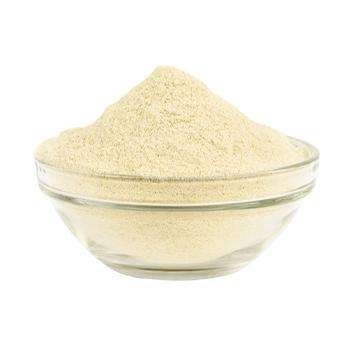
Chemical Name: Arabic gum
CAS No.: 9000-01-5
Appearance: powder

Product name:HYDROXYPROPYL GUAR HYDROXYPROPYLTRIMONIUM CHLORIDE
Purity:99%
Appearance:Light Yellow Powder
Package:Customized according to customer needs.
Sample:Available
Tetraacetylethylenediamine is a fully acetylated derivative of ethylenediamine, offering a high reactivity as an intermediate in organic synthesis. Its unique structure makes it a critical component in the production of specialty chemicals and pharmaceuticals, ensuring a wide range of applications in the chemical industry.

Chemical Name: Quercetin-3-O-sophoroside
CAS No.: 18609-17-1
Molecular Formula: C27H30O17
Molecular Weight: 626.52

Common English name: 5-iodo-2,3-dihydropyridazin-3-one
CAS No.: 825633-94-1
Molecular formula: C4H3IN2O
Molecular weight: 221.98
Sample: Available

Chemical Name: Imazalil Sulfate
CAS No.: 58594-72-2
Molecular Formula: C14H14Cl2N2O.H2SO4
Molecular Weight: 395.26
Appearance: Solid

Succinimide is a heterocyclic organic compound and an important industrial chemical. It serves as a key intermediate in the synthesis of various pharmaceuticals, agrochemicals, and other specialty chemicals. Known for its reactivity and versatility, succinimide is widely used in the production of succinic anhydride, a precursor to many polymers and plasticizers, highlighting its significance in the chemical industry.

Chemical Name: UV-120
Other Name: (2’,4’-Di-tert-butylphenyl 3,5-di-tert-butyl-4-hydroxybenzoate)
CAS No.: 4221-80-1
Molecular Fomula: C29H42O3
Molecular weight: 438.66
Assay: ≥99%(LC)

Polyhexamethylene guanidine hydrochloride, often abbreviated as PHMG-HCl, is a high molecular weight polymeric biguanide compound known for its potent antimicrobial properties. With a chemical structure that features a long chain of methylene groups bridged by guanidine units, PHMG-HCl is effective against a broad spectrum of microorganisms, including bacteria, viruses, and fungi.
This hydrochloride salt form of PHMG is highly soluble in water and is commonly used in various applications due to its non-irritant and non-toxic nature to human skin and mucous membranes. It is widely recognized for its ability to form a colorless and odorless solution, making it an ideal choice for use in personal care products, medical disinfectants, and water treatment processes.
The versatility of PHMG-HCl lies in its cationic nature, which allows it to bind to negatively charged microbial cell walls, disrupting their integrity and leading to cell death. This mechanism of action contributes to its effectiveness as a preservative and disinfectant. Moreover, its substantivity, or the ability to adhere to surfaces, enhances its long-lasting antimicrobial activity.
In summary, Polyhexamethylene guanidine hydrochloride is a reliable and efficient antimicrobial agent, pivotal in industries where hygiene and cleanliness are paramount, offering a safe and sustainable solution for microbial control.

Chemical Name: Dehydrocholic acid
Synonyms: Acide dehydrocholique; Triketocholanic acid
CAS No.: 81-23-2
Molecular Formula: C24H34O5
Molecular Weight: 402.53
Appearance: Powder
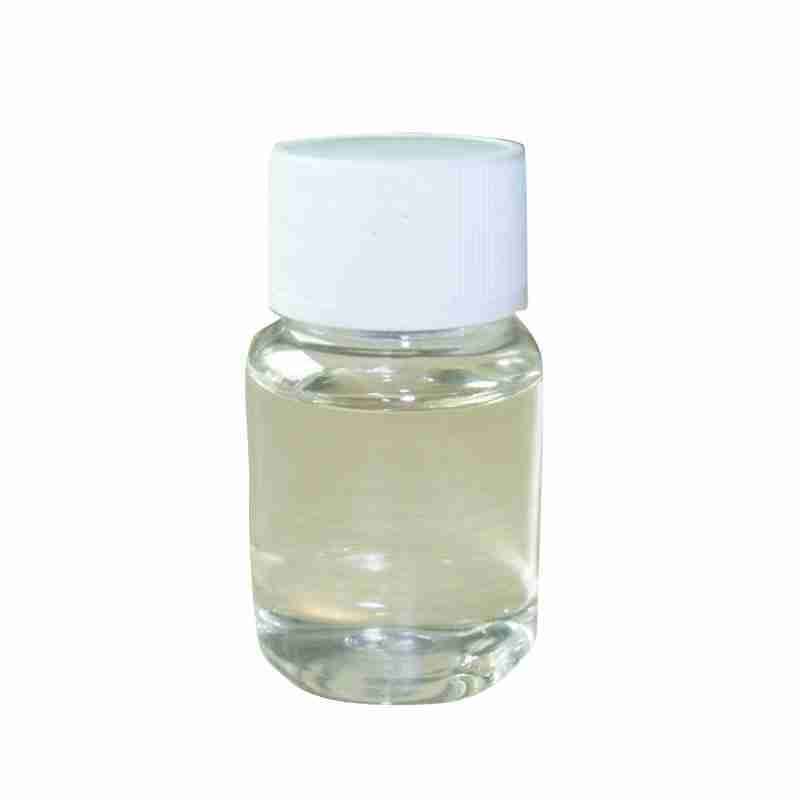
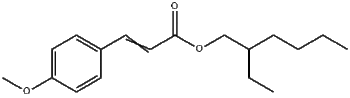
Octyl 4-methoxycinnamate, scientifically known as 2-Ethylhexyl 4-Methoxycinnamate, is a highly effective organic UV filter commonly used in the formulation of sunscreens and cosmetic products. This compound is renowned for its ability to absorb ultraviolet B (UVB) radiation, providing a reliable defense against the sun’s harmful effects on the skin.
Characterized by its chemical formula C19H28O3, Octyl 4-methoxycinnamate is a liquid ester that is readily soluble in organic solvents. It is valued for its photostability, which means it maintains its protective properties even after prolonged exposure to sunlight. This feature makes it an ideal ingredient for products designed to offer long-lasting sun protection.
In addition to its UVB absorption capabilities, Octyl 4-methoxycinnamate is also appreciated for its compatibility with other UV filters, allowing for the creation of broad-spectrum sunscreens. It contributes to the development of formulations that are non-greasy and cosmetically elegant, suitable for a variety of skin types.
As a key component in sun care products, Octyl 4-methoxycinnamate supports the skin’s health by preventing sunburn, reducing the risk of skin cancer, and delaying the signs of photoaging. Its safety profile and efficacy make it a preferred choice in the personal care and dermatological industries for sun protection solutions.


