
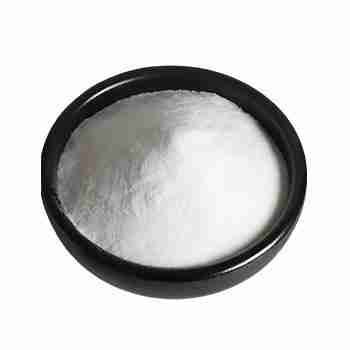
4-Acetylbiphenyl Cas 92-91-1
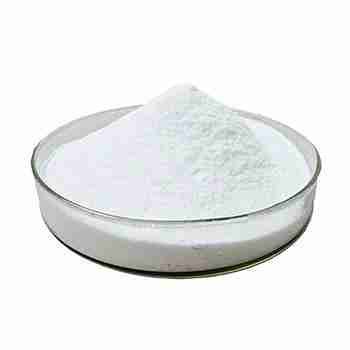
Chemical Name: 4-Acetylbiphenyl
Synonyms: 4??-Phenylacetophenone; 4-Biphenyl methyl ketone; 4-biphenylyl methyl keton; p-phenylacetophenone; acetylbiphenyl
CAS No.: 92-91-1
Molecular Fomula: C14H12O
Molecular weight:?196.24
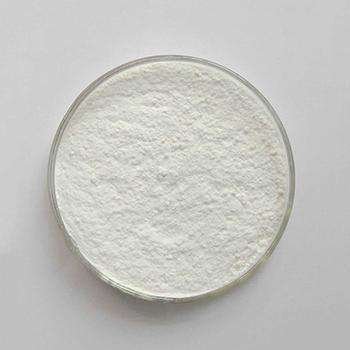
Appearance:?White crystal powder
Assay????99.0%
Description
4-Acetylbiphenyl Quick Details
Chemical Name: 4-Acetylbiphenyl
Synonyms: 4??-Phenylacetophenone; 4-Biphenyl methyl ketone; 4-biphenylyl methyl keton; p-phenylacetophenone; acetylbiphenyl
CAS No.: 92-91-1
Molecular Fomula: C14H12O
Chemical Structure:
Molecular weight:?196.24
Appearance:?White crystal powder
Assay????99.0%
4-Acetylbiphenyl Typical Properties
ITEMS
SPECIFICATION
Density
1.2510 g/cm3
Appearance
White crystal powder
Flashing point
168??C/8mm
Boiling point
325-327 ??C
Solubility
The solubility in chloroform is 10 milligrams/200 microliters, clear, colorless to light yellow
4-Acetylbiphenyl?application:
An important fine chemical intermediate and also an intermediate of the anti-inflammatory agent diphenylacetic acid. Widely used in chemical synthesis of pesticides, pharmaceuticals, etc.
4-Acetylbiphenyl Packaging and Shipping
25kg/bag or according to client??s demand
4-Acetylbiphenyl?Storage
Store in a dry, ventilated, and cool place, away from flammable substances such as heat sources, ignition sources, and oxidants
Related Products
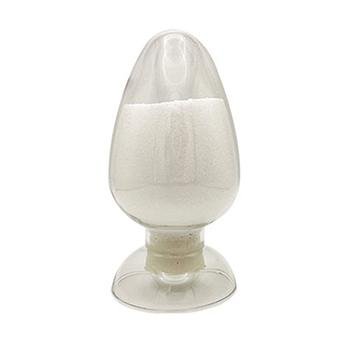
Chemical Name: o-Xylene
Synonyms: 1,2-Dimethylbenzene; ortho-xylene
CAS No.: 95-47-6
Molecular Formula: C8H10
Molecular Weight: 106.17
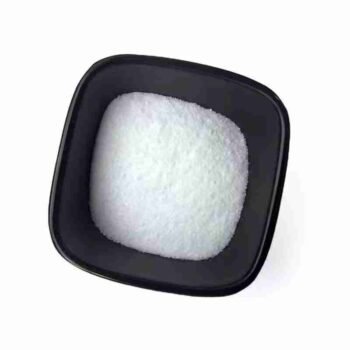
Chemical Name: Imazalil Sulfate
CAS No.: 58594-72-2
Molecular Formula: C14H14Cl2N2O.H2SO4
Molecular Weight: 395.26
Appearance: Solid
POLY(VINYL CHLORIDE-CO-ISOBUTYL VINYL ETHER) is a copolymer that combines the properties of vinyl chloride and isobutyl vinyl ether. This polymer offers a balance of rigidity and flexibility, along with enhanced chemical resistance and durability. It is commonly used in the production of films, coatings, and adhesives due to its excellent barrier properties against gases and moisture, making it ideal for packaging and construction applications.
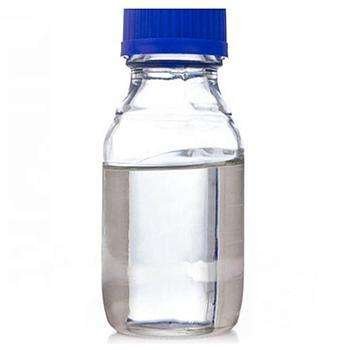
Chemical Name: STODDARD SOLVENT
CAS No.: 64742-88-7
Appearance: Colorless or Light Yellow Liquid

Chemical Name: Dehydrocholic acid
Synonyms: Acide dehydrocholique; Triketocholanic acid
CAS No.: 81-23-2
Molecular Formula: C24H34O5
Molecular Weight: 402.53
Appearance: Powder
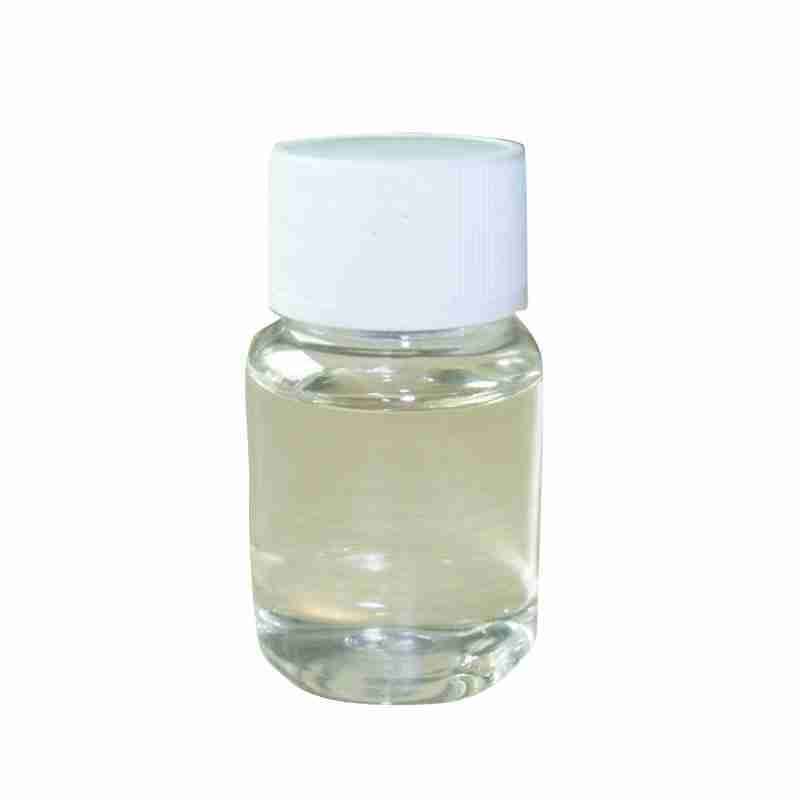
3,4-Ethylenedioxythiophene is a synthetic organic compound characterized by its unique structure that includes a thiophene ring with ethylenedioxy substituents at the 3 and 4 positions. This compound is known for its potential applications in the synthesis of various organic materials, including pharmaceuticals and organic electronic devices such as sensors and solar cells. Its stability and reactivity make it a versatile intermediate in the chemical industry.
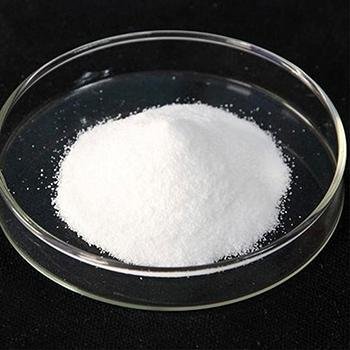
Chemical Name: UV-120
Other Name: (2’,4’-Di-tert-butylphenyl 3,5-di-tert-butyl-4-hydroxybenzoate)
CAS No.: 4221-80-1
Molecular Fomula: C29H42O3
Molecular weight: 438.66
Assay: ≥99%(LC)
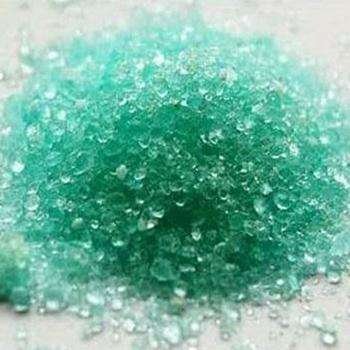
Chemical Name: Ammonium Iron(II) Sulfate
Synonyms: Diammonium iron bis(sulphate); iron (ii) ammonium sulfate
CAS No.: 10045-89-3
Molecular Formula: FeH5NO4S
Molecular Weight: 170.95
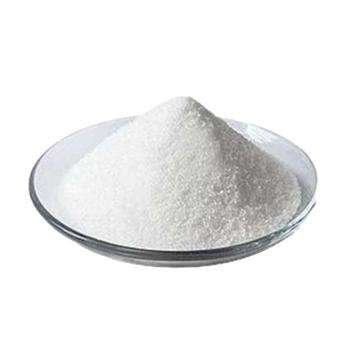
Chemical Name: 3-Hydroxybutyric acid
CAS No.: 625-71-8
Molecular Formula: C4H8O3
Molecular Weight: 104.1
Appearance: White powder
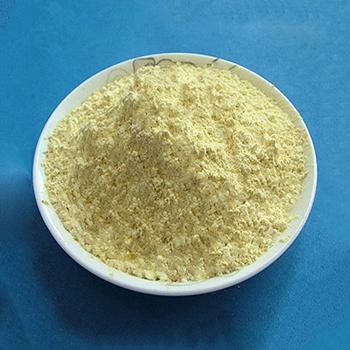
Product name:HYDROXYPROPYL GUAR HYDROXYPROPYLTRIMONIUM CHLORIDE
Purity:99%
Appearance:Light Yellow Powder
Package:Customized according to customer needs.
Sample:Available
Chemical Name: Zinc citrate
Synonyms: Zinc citrate trihydrate
CAS No.: 546-46-3
Molecular Formula: C6H8O7Zn
Molecular Weight: 257.5
Appearance: White powder

Benzothiazoles are a class of chemical compounds characterized by a fused benzene and thiazole ring. They exhibit a broad spectrum of applications, particularly as antioxidants in rubber and plastic industries, enhancing product longevity and performance. Additionally, benzothiazoles serve as key intermediates in the synthesis of pharmaceuticals, contributing to the development of life-saving drugs. Recognized for their stability and reactivity, these compounds are integral to advancing material science and healthcare solutions.



Reviews
There are no reviews yet.