
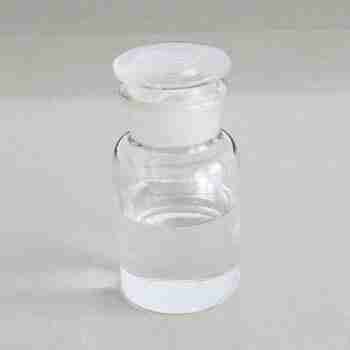

Description
2-Methyl-1-propanol
2-Methyl-1-propanol Quick Details
Chemical Name: 2-Methyl-1-propanol
CAS No.:78-83-1
Molecular Fomula:C4H10O
Chemical Structure:
Molecular weight:74.12
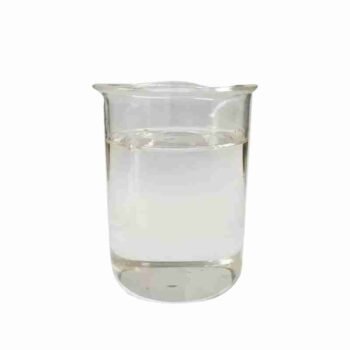
Appearance:Colorless transparent liquid
Assay:99%min
2-Methyl-1-propanol Typical Properties
Item
Specifications
Results
Appearance
Colorless transparent liquid
Confirmed
Item
Indicator
Measured
High-Class Products
Qualified?Products
Chromaticity (Pt-Co Color Number)
??10
??20
4
Density(20??) g/cm3
0.801-0.803
0.801-0.803
0.803
Isobutanol Content
??99.3%
??99.0%
99.5%
Acidity (in Acetic Acid)
??0.003%
??0.005%
0.0008%
Moisture
??0.15%
??0.30%
0.052
Evaporated Residue Content
??0.004%
??0.008%
0.002
Conclusion
Qualified.
2-Methyl-1-propanol Usage
1.isobutyl alcohol? isobutanol IBA?Used as raw material for organic synthesis, as well as as a superior solvent.Used as analytical reagent, chromatographic reagent, solvent and extraction agent. Isobutanol is a kind of raw material for organic synthesis. It is mainly used to synthesize the intermediate of diazine phosphorus, isobutyronitrile.Extraction solvent.
2.Organic synthetic materials. Used in the manufacture of petroleum additives, antioxidants, 2, 6-DItert-butylp-cresol, isobutyl acetate (paint solvent), plasticizers, synthetic rubber, artificial musk, fruit essential oils and synthetic drugs.It can also be used to purify saline chemical reagents such as strontium, barium and lithium, and as a higher solvent.
3.Solvents.Extracting agent.Lithium chloride was extracted from the mixture of lithium chloride and sodium chloride or potassium, and strontium bromide and barium bromide were separated.Determination of calcium, strontium, barium, sodium, potassium, lithium, silver, chlorine and phosphite.Organic synthesis.
Used as a solvent for nitrocellulose, ethyl cellulose, polyvinyl butyral, various oils, rubber, natural resins.Organic synthetic materials.It has limited applications and should never be used to make agricultural plastics because isobutanol can cause crop deaths.
2-Methyl-1-propanol Packaging and Shipping
200kg /drum
2-Methyl-1-propanol Storage
Keep it under low temperature and dry condition.
Related Products
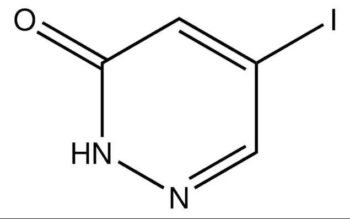
Common English name: 5-iodo-2,3-dihydropyridazin-3-one
CAS No.: 825633-94-1
Molecular formula: C4H3IN2O
Molecular weight: 221.98
Sample: Available
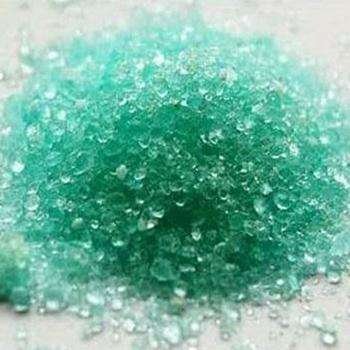
Chemical Name: Ammonium Iron(II) Sulfate
Synonyms: Diammonium iron bis(sulphate); iron (ii) ammonium sulfate
CAS No.: 10045-89-3
Molecular Formula: FeH5NO4S
Molecular Weight: 170.95

Butylated Hydroxytoluene (BHT) is a synthetic phenolic antioxidant commonly added to foods, cosmetics, and packaging to prevent the oxidation of fats and oils, thereby extending their shelf life. It is also used as a preservative in a variety of products, including rubber, petroleum products, and animal feed. BHT is recognized for its effectiveness in maintaining nutrient levels, color, flavor, and odor in food products . It is known to have a melting point of 69-71??C, a boiling point of 265??C, and is soluble in ethanol, acetone, and benzene, but not in water, glycerin, or propylene glycol . BHT is also used in some dietary supplements due to its antioxidant properties . However, it is important to handle BHT with care, as it can cause skin irritation and is considered harmful if swallowed .
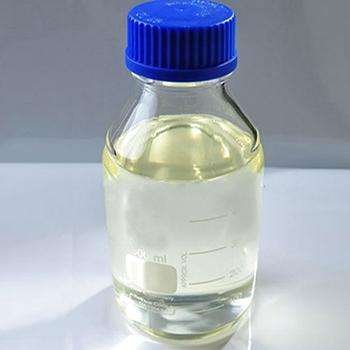
Chemical Name: 1,1,2,2-Tetrachloroethane
Other Name: Tetrachlorethane
CAS No.: 79-34-5
Molecular Formula: C2H2Cl4
Molecular Weight: 167.85
Appearance: Liquid

Benzothiazoles are a class of chemical compounds characterized by a fused benzene and thiazole ring. They exhibit a broad spectrum of applications, particularly as antioxidants in rubber and plastic industries, enhancing product longevity and performance. Additionally, benzothiazoles serve as key intermediates in the synthesis of pharmaceuticals, contributing to the development of life-saving drugs. Recognized for their stability and reactivity, these compounds are integral to advancing material science and healthcare solutions.
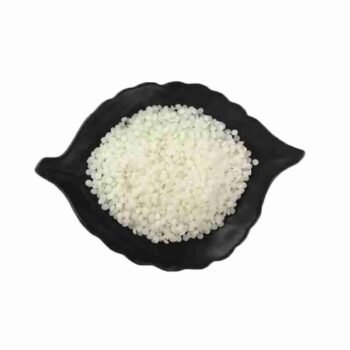
Tetraacetylethylenediamine is a fully acetylated derivative of ethylenediamine, offering a high reactivity as an intermediate in organic synthesis. Its unique structure makes it a critical component in the production of specialty chemicals and pharmaceuticals, ensuring a wide range of applications in the chemical industry.

Terpene resin is a type of natural resin derived from terpenes, which are organic compounds found in various plants. It is known for its aromatic properties and is commonly used in the production of fragrances, flavorings, and as a component in adhesives and coatings within the chemical industry. Terpene resin offers a range of benefits, including enhancing the solubility of essential oils and providing a stable base for various applications. Its natural origin makes it a preferred choice for eco-friendly products.

Polyhexamethylene guanidine hydrochloride, often abbreviated as PHMG-HCl, is a high molecular weight polymeric biguanide compound known for its potent antimicrobial properties. With a chemical structure that features a long chain of methylene groups bridged by guanidine units, PHMG-HCl is effective against a broad spectrum of microorganisms, including bacteria, viruses, and fungi.
This hydrochloride salt form of PHMG is highly soluble in water and is commonly used in various applications due to its non-irritant and non-toxic nature to human skin and mucous membranes. It is widely recognized for its ability to form a colorless and odorless solution, making it an ideal choice for use in personal care products, medical disinfectants, and water treatment processes.
The versatility of PHMG-HCl lies in its cationic nature, which allows it to bind to negatively charged microbial cell walls, disrupting their integrity and leading to cell death. This mechanism of action contributes to its effectiveness as a preservative and disinfectant. Moreover, its substantivity, or the ability to adhere to surfaces, enhances its long-lasting antimicrobial activity.
In summary, Polyhexamethylene guanidine hydrochloride is a reliable and efficient antimicrobial agent, pivotal in industries where hygiene and cleanliness are paramount, offering a safe and sustainable solution for microbial control.
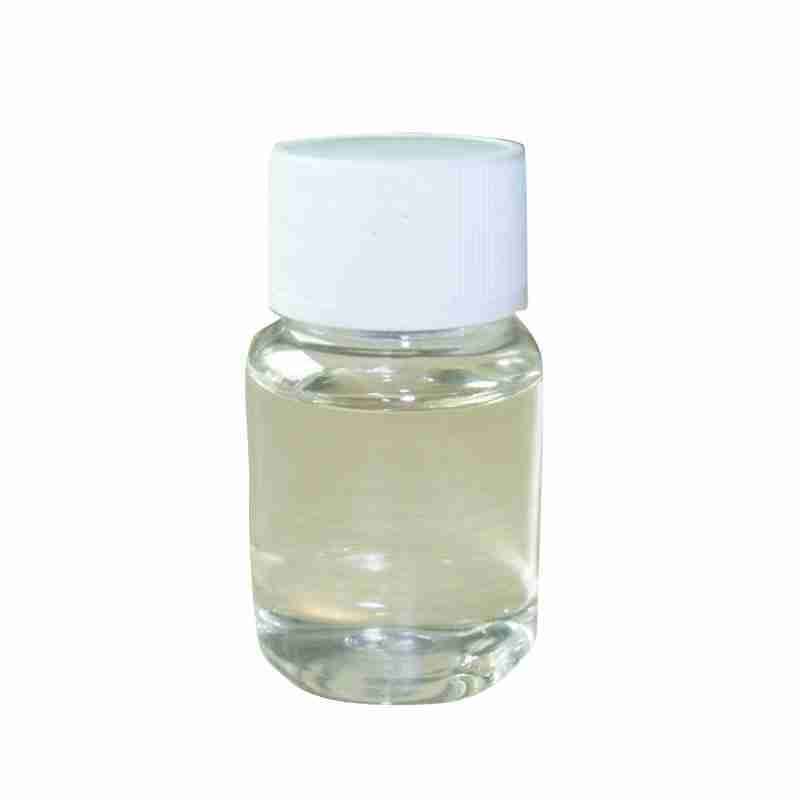
3,4-Ethylenedioxythiophene is a synthetic organic compound characterized by its unique structure that includes a thiophene ring with ethylenedioxy substituents at the 3 and 4 positions. This compound is known for its potential applications in the synthesis of various organic materials, including pharmaceuticals and organic electronic devices such as sensors and solar cells. Its stability and reactivity make it a versatile intermediate in the chemical industry.

Ethylhexyl Palmitate is a skin-conditioning ester, derived from ethylhexanol and palmitic acid, that imparts moisturization and a smooth texture to cosmetic and personal care formulations. It is valued for its emollient properties, enhancing the sensory experience of skin care products.
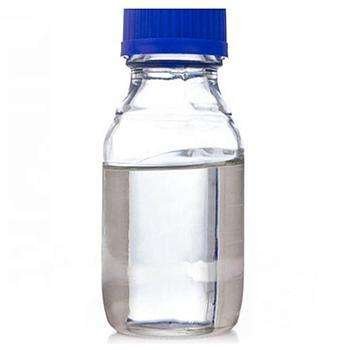
Chemical Name: STODDARD SOLVENT
CAS No.: 64742-88-7
Appearance: Colorless or Light Yellow Liquid
Silicones are a family of synthetic polymers known for their versatility and stability. They are heat-resistant, non-toxic, and have excellent electrical insulation properties. Commonly used in various industries such as construction, automotive, aerospace, and personal care products, silicones offer a wide range of applications from sealants and adhesives to lubricants and medical devices. Their resistance to extreme temperatures and weathering makes them a preferred choice for many high-performance applications.





Reviews
There are no reviews yet.