
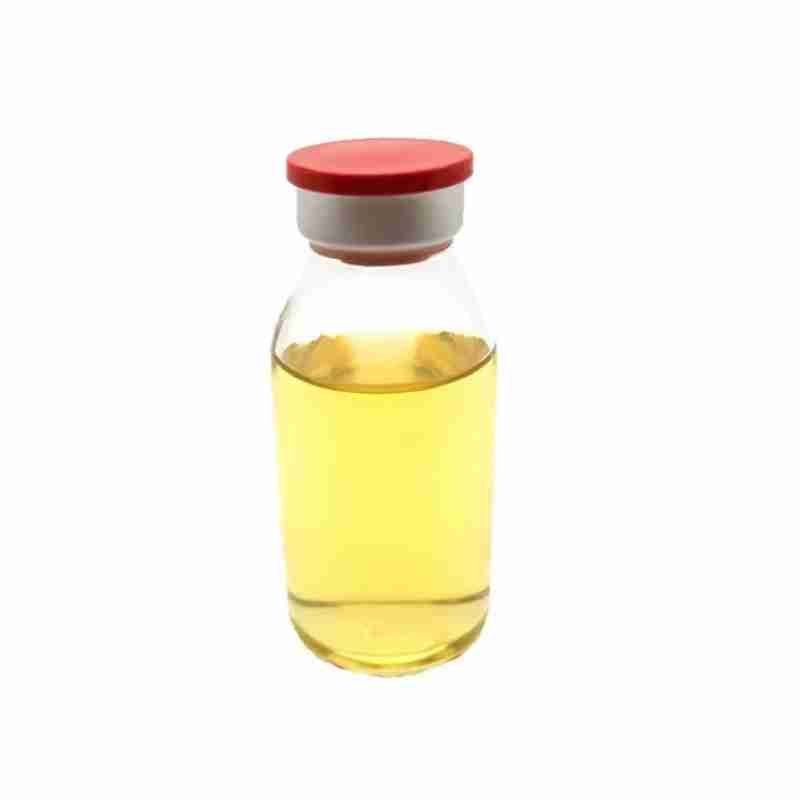
1-Fluoronaphthalene CAS# 321-38-0
![2-(2-[4-(1,1,3,3-Tetramethylbutyl)phenoxy]ethoxy)ethanol CAS#9036-19-5](https://bgbchem.com/wp-content/uploads/2025/08/2-8-2.jpg)

The main sources of 1-chloronaphthalene in the environment include industrially produced 1-chloronaphthalene; 1-chloronaphthalene produced in thermal processes and other processes (such as the chlor-alkali industry) in the presence of chlorine; in addition, it is also a by-product in the synthesis of polychlorinated biphenyls (PCBs).
Uses: Used as a solvent, for example, as an immersion liquid when measuring the refractive index of crystals under a microscope, and as a solvent for oils and fats. Used in organic synthesis. It is a gas chromatography stationary liquid (maximum operating temperature 75??C, solvents are chloroform and methanol), which can be used to separate and analyze low-level hydrocarbons and halogenated hydrocarbons, can selectively retain aromatic compounds, and can also separate xylene isomers.
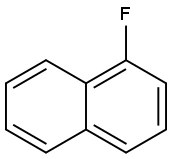
1-Fluoronaphthalene CAS# 321-38-0
| 1-Fluoronaphthalene Basic information |
| Product Name: | 1-Fluoronaphthalene |
| Synonyms: | 1-Fluoronaphth;Duloxetine Hydrochloride impurity G;1-FLUORONAFTALENO;Fluorophthalene;alpha-Fluoronaphthalene;1-FLUORONAPHTHALENE;1-FLUORONAPHTHALENE, 1000MG, NEAT;I-Fluoronaphthalene |
| CAS: | 321-38-0 |
| MF: | C10H7F |
| MW: | 146.16 |
| EINECS: | 206-287-0 |
| Product Categories: | Aromatics;Impurities;Intermediates & Fine Chemicals;Pharmaceuticals;Aromatics, Impurities, Pharmaceuticals, Intermediates & Fine Chemicals;Fluorine series;Method 625EPA;600 Series Wastewater Methods;8000 Series Solidwaste Methods;Chemical Class;FluoroEPA;Halogenated;Method 8100;Aryl;C9 to C12;Halogenated Hydrocarbons;Miscellaneous;Alpha Sort;E-LAlphabetic;F;FA – FLChemical Class;FluoroAnalytical Standards;Naphthalenes;Volatiles/ Semivolatiles;Other fluorin-contained compounds |
| Mol File: | 321-38-0.mol |
 |
|
| 1-Fluoronaphthalene Chemical Properties |
| Melting point | -13 ??C (lit.) |
| Boiling point | 215 ??C (lit.) |
| density | 1.1322 g/mL at 20 ??C (lit.) |
| refractive index | n20/D?1.593(lit.) |
| Fp | 150???F |
| storage temp. | Sealed in dry,Room Temperature |
| solubility | slightly soluble in water, well soluble in chloroform, ethyl acetate, and methanol. |
| form | Oil |
| color | Colourless to Yellow |
| Specific Gravity | 1.332 |
| Water Solubility | Not miscible or difficult to mix in water. |
| BRN | 1906413 |
| Stability: | Stable. Incompatible with strong oxidizing agents. |
| InChIKey | CWLKTJOTWITYSI-UHFFFAOYSA-N |
| CAS DataBase Reference | 321-38-0(CAS DataBase Reference) |
| NIST Chemistry Reference | Naphthalene, 1-fluoro-(321-38-0) |
| EPA Substance Registry System | 1-Fluoronaphthalene (321-38-0) |
Related Products
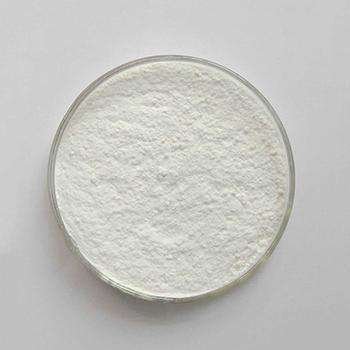
Chemical Name: Zinc citrate
Synonyms: Zinc citrate trihydrate
CAS No.: 546-46-3
Molecular Formula: C6H8O7Zn
Molecular Weight: 257.5
Appearance: White powder

Butylated Hydroxytoluene (BHT) is a synthetic phenolic antioxidant commonly added to foods, cosmetics, and packaging to prevent the oxidation of fats and oils, thereby extending their shelf life. It is also used as a preservative in a variety of products, including rubber, petroleum products, and animal feed. BHT is recognized for its effectiveness in maintaining nutrient levels, color, flavor, and odor in food products . It is known to have a melting point of 69-71??C, a boiling point of 265??C, and is soluble in ethanol, acetone, and benzene, but not in water, glycerin, or propylene glycol . BHT is also used in some dietary supplements due to its antioxidant properties . However, it is important to handle BHT with care, as it can cause skin irritation and is considered harmful if swallowed .
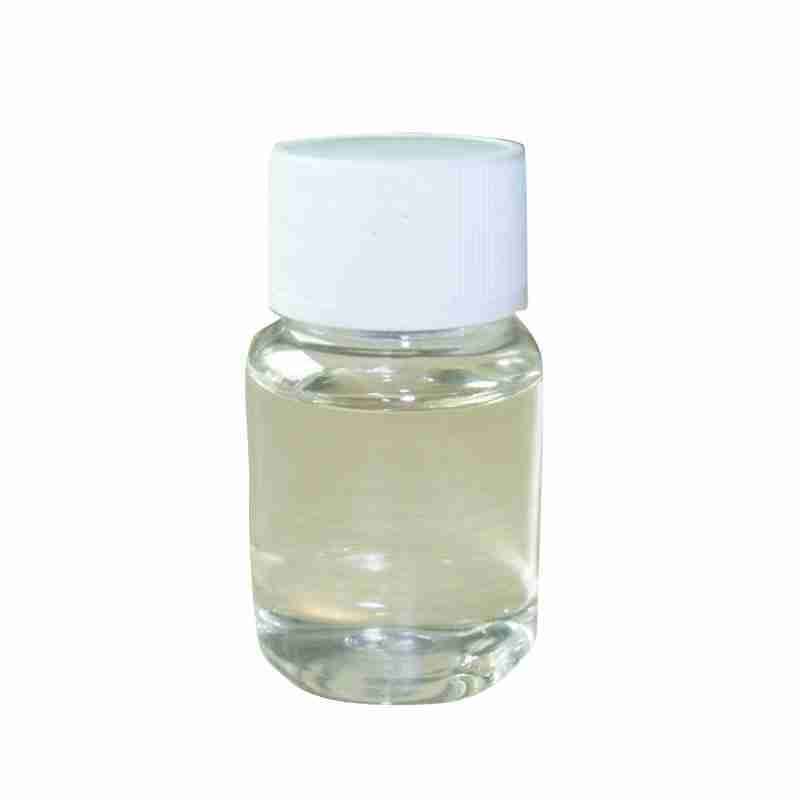
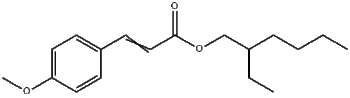
Octyl 4-methoxycinnamate, scientifically known as 2-Ethylhexyl 4-Methoxycinnamate, is a highly effective organic UV filter commonly used in the formulation of sunscreens and cosmetic products. This compound is renowned for its ability to absorb ultraviolet B (UVB) radiation, providing a reliable defense against the sun’s harmful effects on the skin.
Characterized by its chemical formula C19H28O3, Octyl 4-methoxycinnamate is a liquid ester that is readily soluble in organic solvents. It is valued for its photostability, which means it maintains its protective properties even after prolonged exposure to sunlight. This feature makes it an ideal ingredient for products designed to offer long-lasting sun protection.
In addition to its UVB absorption capabilities, Octyl 4-methoxycinnamate is also appreciated for its compatibility with other UV filters, allowing for the creation of broad-spectrum sunscreens. It contributes to the development of formulations that are non-greasy and cosmetically elegant, suitable for a variety of skin types.
As a key component in sun care products, Octyl 4-methoxycinnamate supports the skin’s health by preventing sunburn, reducing the risk of skin cancer, and delaying the signs of photoaging. Its safety profile and efficacy make it a preferred choice in the personal care and dermatological industries for sun protection solutions.

Common English name: 5-iodo-2,3-dihydropyridazin-3-one
CAS No.: 825633-94-1
Molecular formula: C4H3IN2O
Molecular weight: 221.98
Sample: Available
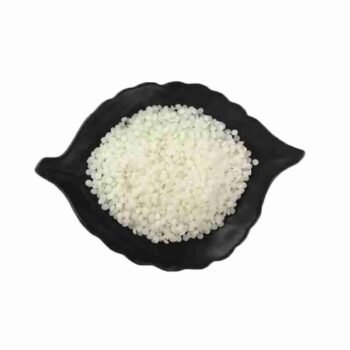
Tetraacetylethylenediamine is a fully acetylated derivative of ethylenediamine, offering a high reactivity as an intermediate in organic synthesis. Its unique structure makes it a critical component in the production of specialty chemicals and pharmaceuticals, ensuring a wide range of applications in the chemical industry.

Chemical Name: UV-120
Other Name: (2’,4’-Di-tert-butylphenyl 3,5-di-tert-butyl-4-hydroxybenzoate)
CAS No.: 4221-80-1
Molecular Fomula: C29H42O3
Molecular weight: 438.66
Assay: ≥99%(LC)

Chemical Name: 1,1,2,2-Tetrachloroethane
Other Name: Tetrachlorethane
CAS No.: 79-34-5
Molecular Formula: C2H2Cl4
Molecular Weight: 167.85
Appearance: Liquid

Chemical Name: Imazalil Sulfate
CAS No.: 58594-72-2
Molecular Formula: C14H14Cl2N2O.H2SO4
Molecular Weight: 395.26
Appearance: Solid
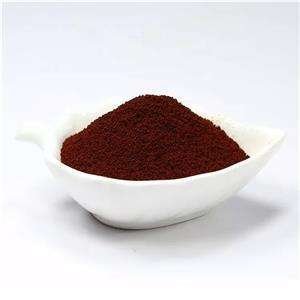
Chemical Name: Choline salicylate
CAS No.: 2016-36-6
Molecular Formula: C12H19NO4
Molecular Weight: 241.28
Appearance: Red-Brown Crystal

Ethylhexyl Palmitate is a skin-conditioning ester, derived from ethylhexanol and palmitic acid, that imparts moisturization and a smooth texture to cosmetic and personal care formulations. It is valued for its emollient properties, enhancing the sensory experience of skin care products.
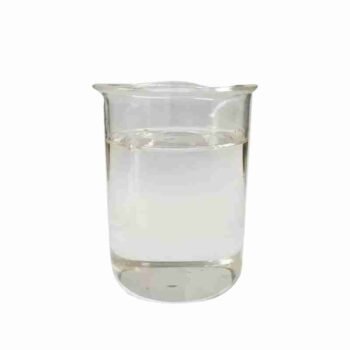
Silicones are a family of synthetic polymers known for their versatility and stability. They are heat-resistant, non-toxic, and have excellent electrical insulation properties. Commonly used in various industries such as construction, automotive, aerospace, and personal care products, silicones offer a wide range of applications from sealants and adhesives to lubricants and medical devices. Their resistance to extreme temperatures and weathering makes them a preferred choice for many high-performance applications.

Benzothiazoles are a class of chemical compounds characterized by a fused benzene and thiazole ring. They exhibit a broad spectrum of applications, particularly as antioxidants in rubber and plastic industries, enhancing product longevity and performance. Additionally, benzothiazoles serve as key intermediates in the synthesis of pharmaceuticals, contributing to the development of life-saving drugs. Recognized for their stability and reactivity, these compounds are integral to advancing material science and healthcare solutions.


