
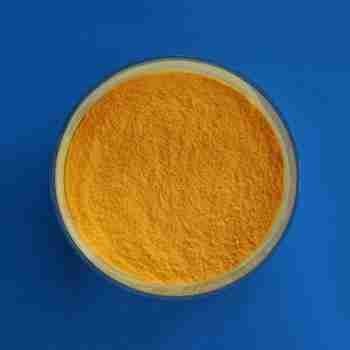
2-Methoxy-3-(1-methyl-1H-1,2,4-triazol-3-yl)aniline CAS 1609394-10-6

Chemical Name: 2-methoxy-3-(1-methyl-1H-1,2,4-triazol-3-yl)aniline
CAS No.:?1609394-10-6
Molecular Fomula:?C10H12N4O
Molecular weight:?204.23
Appearance:?Light orange to brown solid
Assay??99 % min
Description
2-METHOXY-3-(1-METHYL-1H-1,2,4-TRIAZOL-3-YL)ANILINE?Quick Details
Chemical Name:??2-methoxy-3-(1-methyl-1H-1,2,4-triazol-3-yl)aniline
CAS No.:?1609394-10-6Molecular Fomula:?C10H12N4O
Chemical Structure:
Molecular weight:?204.23
Appearance:?Light orange to brown solid
Assay??99 % min
2-METHOXY-3-(1-METHYL-1H-1,2,4-TRIAZOL-3-YL)ANILINE Typical Properties
ITEMS
SPECIFICATION
Assay?%
???99.0
Acidity coefficient (pKa)
3.45 ?? 0.10
Boiling point
437.6 ?? 55.0 ??C
Density
1.29 ?? 0.1 g/cm3
Solubility
Dimethyl sulfoxide (slightly soluble)
2-METHOXY-3-(1-METHYL-1H-1,2,4-TRIAZOL-3-YL)ANILINE Application:
It can be used as a synthetic raw material to synthesize non receptor tyrosine protein kinases for the treatment of autoimmune diseases.
2-METHOXY-3-(1-METHYL-1H-1,2,4-TRIAZOL-3-YL)ANILINE Packaging and Shipping?
Support on-demand packaging for auditing.
Related Products
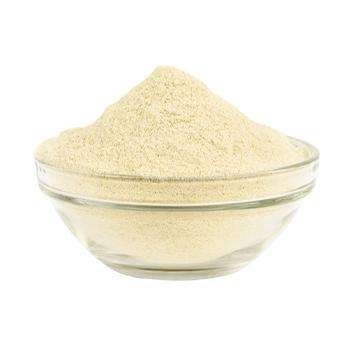
Chemical Name: Arabic gum
CAS No.: 9000-01-5
Appearance: powder

Benzothiazoles are a class of chemical compounds characterized by a fused benzene and thiazole ring. They exhibit a broad spectrum of applications, particularly as antioxidants in rubber and plastic industries, enhancing product longevity and performance. Additionally, benzothiazoles serve as key intermediates in the synthesis of pharmaceuticals, contributing to the development of life-saving drugs. Recognized for their stability and reactivity, these compounds are integral to advancing material science and healthcare solutions.

Chemical Name: Zinc citrate
Synonyms: Zinc citrate trihydrate
CAS No.: 546-46-3
Molecular Formula: C6H8O7Zn
Molecular Weight: 257.5
Appearance: White powder
Chemical Name: 1,1,2,2-Tetrachloroethane
Other Name: Tetrachlorethane
CAS No.: 79-34-5
Molecular Formula: C2H2Cl4
Molecular Weight: 167.85
Appearance: Liquid
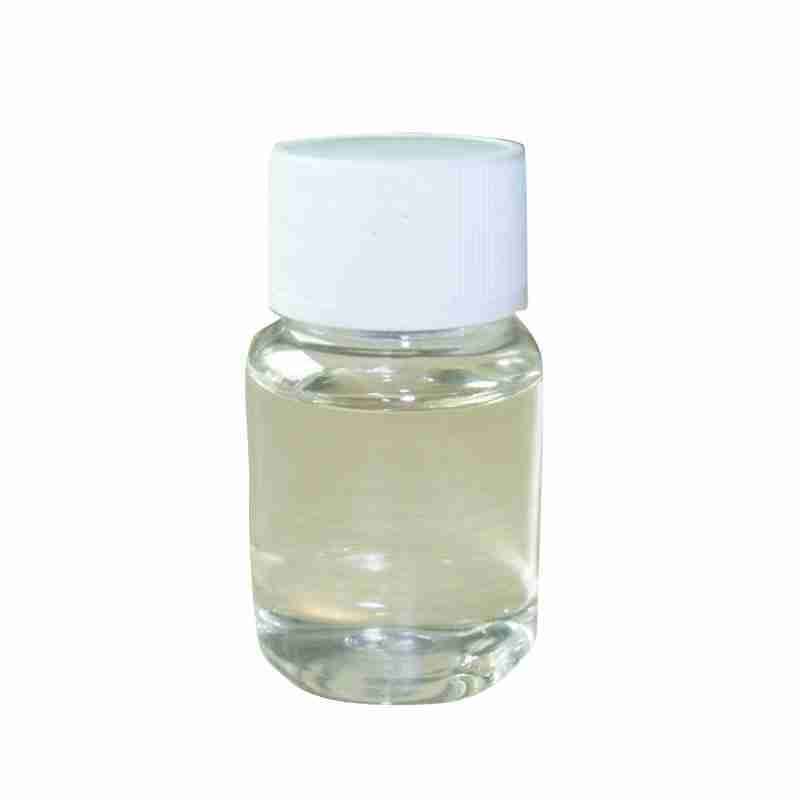
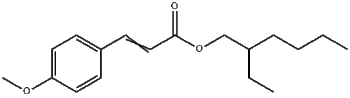
Octyl 4-methoxycinnamate, scientifically known as 2-Ethylhexyl 4-Methoxycinnamate, is a highly effective organic UV filter commonly used in the formulation of sunscreens and cosmetic products. This compound is renowned for its ability to absorb ultraviolet B (UVB) radiation, providing a reliable defense against the sun’s harmful effects on the skin.
Characterized by its chemical formula C19H28O3, Octyl 4-methoxycinnamate is a liquid ester that is readily soluble in organic solvents. It is valued for its photostability, which means it maintains its protective properties even after prolonged exposure to sunlight. This feature makes it an ideal ingredient for products designed to offer long-lasting sun protection.
In addition to its UVB absorption capabilities, Octyl 4-methoxycinnamate is also appreciated for its compatibility with other UV filters, allowing for the creation of broad-spectrum sunscreens. It contributes to the development of formulations that are non-greasy and cosmetically elegant, suitable for a variety of skin types.
As a key component in sun care products, Octyl 4-methoxycinnamate supports the skin’s health by preventing sunburn, reducing the risk of skin cancer, and delaying the signs of photoaging. Its safety profile and efficacy make it a preferred choice in the personal care and dermatological industries for sun protection solutions.
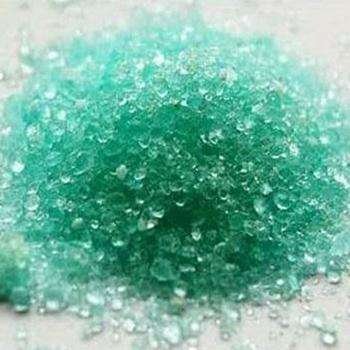
Chemical Name: Ammonium Iron(II) Sulfate
Synonyms: Diammonium iron bis(sulphate); iron (ii) ammonium sulfate
CAS No.: 10045-89-3
Molecular Formula: FeH5NO4S
Molecular Weight: 170.95
Chemical Name: o-Xylene
Synonyms: 1,2-Dimethylbenzene; ortho-xylene
CAS No.: 95-47-6
Molecular Formula: C8H10
Molecular Weight: 106.17

Chemical Name: 3-Hydroxybutyric acid
CAS No.: 625-71-8
Molecular Formula: C4H8O3
Molecular Weight: 104.1
Appearance: White powder
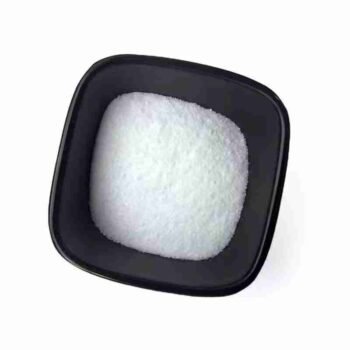
POLY(VINYL CHLORIDE-CO-ISOBUTYL VINYL ETHER) is a copolymer that combines the properties of vinyl chloride and isobutyl vinyl ether. This polymer offers a balance of rigidity and flexibility, along with enhanced chemical resistance and durability. It is commonly used in the production of films, coatings, and adhesives due to its excellent barrier properties against gases and moisture, making it ideal for packaging and construction applications.
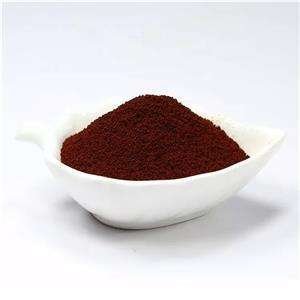
Chemical Name: Choline salicylate
CAS No.: 2016-36-6
Molecular Formula: C12H19NO4
Molecular Weight: 241.28
Appearance: Red-Brown Crystal

Terpene resin is a type of natural resin derived from terpenes, which are organic compounds found in various plants. It is known for its aromatic properties and is commonly used in the production of fragrances, flavorings, and as a component in adhesives and coatings within the chemical industry. Terpene resin offers a range of benefits, including enhancing the solubility of essential oils and providing a stable base for various applications. Its natural origin makes it a preferred choice for eco-friendly products.
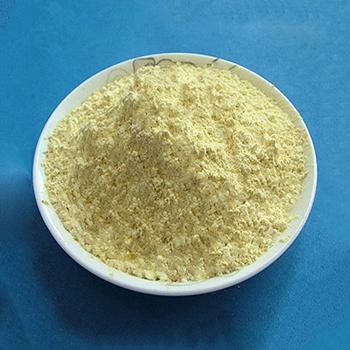
Product name:HYDROXYPROPYL GUAR HYDROXYPROPYLTRIMONIUM CHLORIDE
Purity:99%
Appearance:Light Yellow Powder
Package:Customized according to customer needs.
Sample:Available



Reviews
There are no reviews yet.