
Description
Ammonium citrate dibasic?Quick Details
Chemical Name: Ammonium citrate dibasicCAS No.: 3012-65-5Molecular Fomula: (NH4)2HC6H5O7
Chemical Structure:
Molecular weight:?226.18
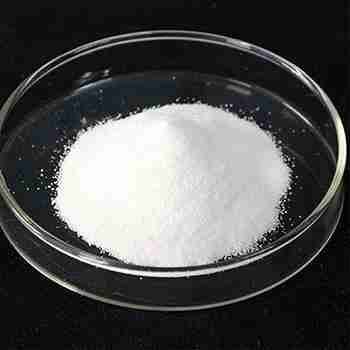
Appearance:?Colorless crystalline granular
Assay??98.0~103.0%
Ammonium citrate dibasic?Typical Properties
ITEMS
SPECIFICATION
Appearance
Colorless crystalline granular
Heavy Metals (Pb)
5 ppm?max
Assay
98.0 ?C 103.0%
Chloride
0.001 %?max
Oxalate
To Pass Test
Sulfate
0.005 %?max
Odor
Slightly ammoniacal
Ignition residue (as sulfate)
0.5% max
Insoluble Matter
0.005 %?max
Residue after Ignition
0.01 %?max
PH of 5% Solution at 25??C
4.5 ?C 5.5
Iron (Fe)
0.001 %?max
Phosphate (PO4)
5 ppm?max
Bulk density (Loose)
According to Customer Requirements
Particle Size
According to Customer Requirements
Microbial limits
Total Plate Count
NMT 1000cfu/g
E. Coli
Negative
Total Molds And Yeasts
NMT 300cfu/g
Salmonella
Negative
Total Coliform Count
NMT 10cfu/g
Staphylococcus Aureus
Negative
?
Ammonium citrate dibasic?application:
Ammonium citrate dibasic?can determine phosphate in fertilizers, and be used in Petrochemical Industry, Electronics Industry, Complexing Agent, etc
Ammonium citrate dibasic?Packaging and Shipping?
25 kg / 50 lb. box/bag/drums; 500 kilogram bag
Ammonium citrate dibasic?Storage
Store in a clean, dry warehouse in the original unopened containers
Related Products

Ethylhexyl Palmitate is a skin-conditioning ester, derived from ethylhexanol and palmitic acid, that imparts moisturization and a smooth texture to cosmetic and personal care formulations. It is valued for its emollient properties, enhancing the sensory experience of skin care products.
Chemical Name: STODDARD SOLVENT
CAS No.: 64742-88-7
Appearance: Colorless or Light Yellow Liquid

Chemical Name: 3-Hydroxybutyric acid
CAS No.: 625-71-8
Molecular Formula: C4H8O3
Molecular Weight: 104.1
Appearance: White powder
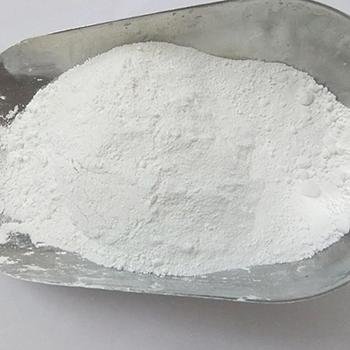
Product name:Cyclopentane
Purity:96%
Appearance:White powder
Package:25kg/bag
Sample:Available
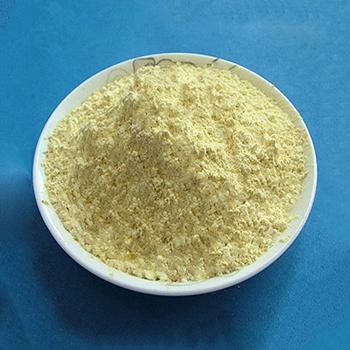
Product name:HYDROXYPROPYL GUAR HYDROXYPROPYLTRIMONIUM CHLORIDE
Purity:99%
Appearance:Light Yellow Powder
Package:Customized according to customer needs.
Sample:Available
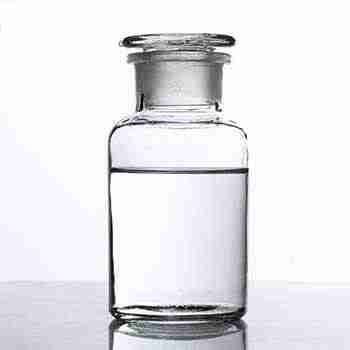
1-Octanol, also known as Capryl alcohol or n-Octanol, is a clear, colorless liquid with a characteristic waxy odor. It is an alcohol with eight carbon atoms in its chain, making it a part of the aliphatic alcohol family. This compound is poorly soluble in water but is miscible with ethanol, diethyl ether, and chloroform . It has a melting point of approximately -15??C and a boiling point of around 196??C . 1-Octanol is used in the production of esters, plasticizers, and as a solvent or intermediate in the synthesis of various organic compounds. It also finds application in the fragrance industry as a fixative in perfumes and can be used in the formulation of flavor and scent compositions . It is important to note that 1-Octanol is flammable and should be handled with care, storing it away from sources of ignition and heat .

Chemical Name: Ashwagandha Extract
Synonyms: Withania somnifera, ext.; Withania Somnefera Extract
CAS: 90147-43-6
Appearance: Brown

N,N-Dimethylaniline is an organic compound with amine and methyl groups attached to a benzene ring. It is a colorless liquid with a characteristic amine odor. This compound is primarily used as a chemical intermediate in the synthesis of dyes, pigments, and polymers. Its reactivity makes it a valuable building block in the production of various organic compounds, particularly in the pharmaceutical and chemical industries.
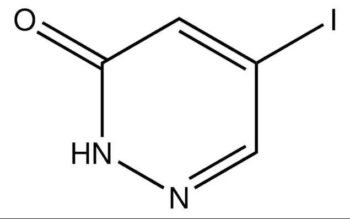
Common English name: 5-iodo-2,3-dihydropyridazin-3-one
CAS No.: 825633-94-1
Molecular formula: C4H3IN2O
Molecular weight: 221.98
Sample: Available
Chemical Name: Potassium Castorate
CAS No.: 8013-05-6
Molecular Formula: C57H107K3O12
Molecular Weight: 1101.74718
Appearance: Yellow Liquid
Chemical Name: o-Xylene
Synonyms: 1,2-Dimethylbenzene; ortho-xylene
CAS No.: 95-47-6
Molecular Formula: C8H10
Molecular Weight: 106.17
POLY(VINYL CHLORIDE-CO-ISOBUTYL VINYL ETHER) is a copolymer that combines the properties of vinyl chloride and isobutyl vinyl ether. This polymer offers a balance of rigidity and flexibility, along with enhanced chemical resistance and durability. It is commonly used in the production of films, coatings, and adhesives due to its excellent barrier properties against gases and moisture, making it ideal for packaging and construction applications.



Reviews
There are no reviews yet.