
Description
Rosemary oil Details
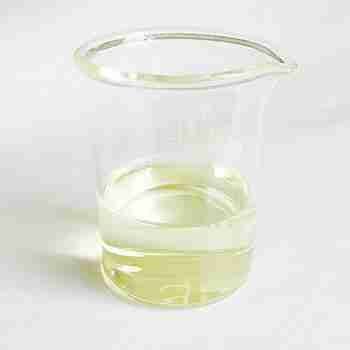
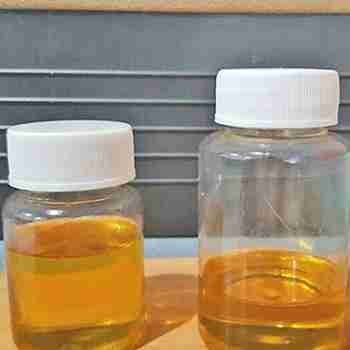
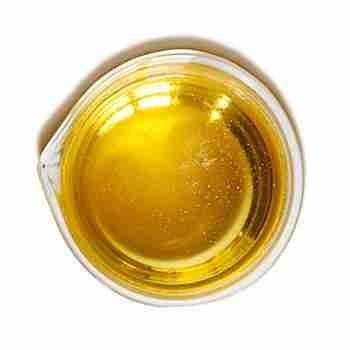
Chemical Name: Rosemary oil
CAS No.: 8000-25-7
Molecular Formula: None
Molecular Weight: None
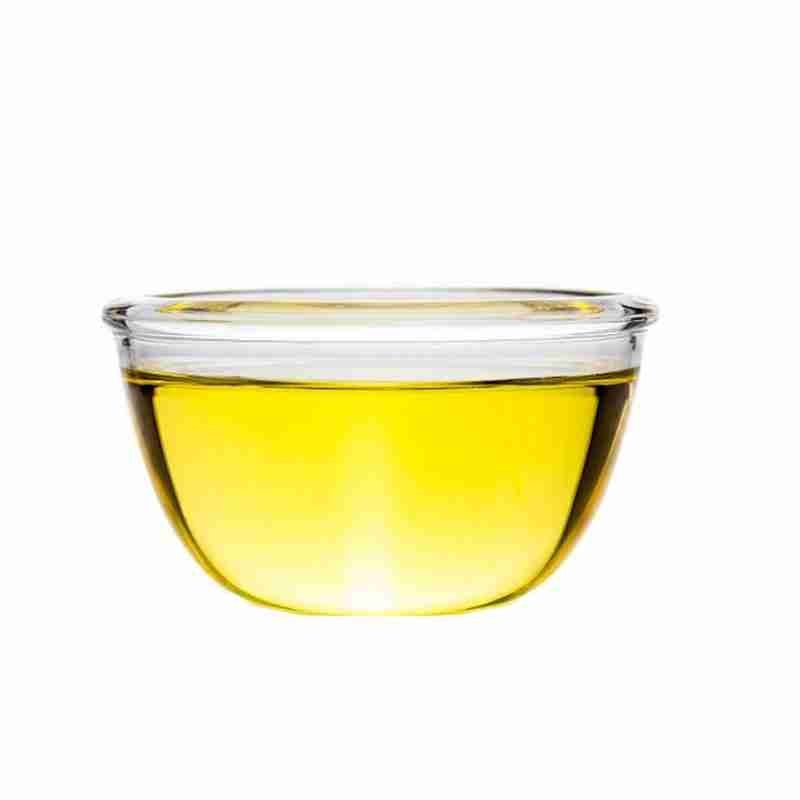
Appearance: Colorless to light yellow liquid
Typical?Properties
Boiling point
176???C
Density
0.908 g/mL at 25 ??C
Solubility
Soluble in chloroform (a little), methanol (a little)
Appearance
liquid
Color
White
Refractive index
n20/D 1.468
Flashpoint
121??F
Rosemary oil Usage
Rosemary oil is often used as a fragrance for health and medical products.
Permitted food spices. Mainly used for sauce, meat, poultry, and other seasonings.
Packaging and Shipping
Packing: 25KG/Drum
Rosemary oil Storage
Keep a container tightly closed in a dry and well-ventilated place. Store in a cool place.
Related Products
Chemical Name: z-3-decen-1-yl acetate
CAS No.: 81634-99-3
Molecular Fomula: C12H22O2
Molecular weight:?198.3
Appearance:?powder

Chemical Name: Ashwagandha Extract
Synonyms: Withania somnifera, ext.; Withania Somnefera Extract
CAS: 90147-43-6
Appearance: Brown
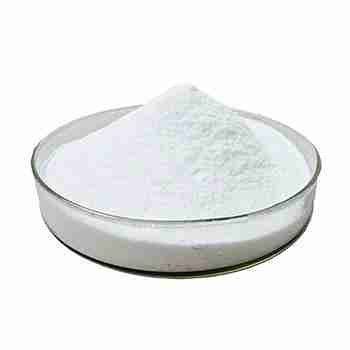
Chemical Name: (-)-Alpha-cedrene
Synonyms: levo-alpha-cedrene; ??-Cedrene
CAS No.:?469-61-4
Molecular Fomula:?C15H24
Molecular weight: 204.35
Appearance: White?powder
Assay????99.0%

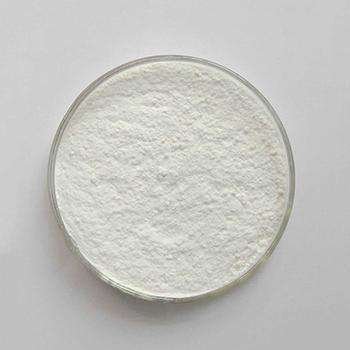
Chemical Name: 3-Hydroxybutyric acid
CAS No.: 625-71-8
Molecular Formula: C4H8O3
Molecular Weight: 104.1
Appearance: White powder
Chemical Name: Zinc citrate
Synonyms: Zinc citrate trihydrate
CAS No.: 546-46-3
Molecular Formula: C6H8O7Zn
Molecular Weight: 257.5
Appearance: White powder

Chemical Name: Potassium Castorate
CAS No.: 8013-05-6
Molecular Formula: C57H107K3O12
Molecular Weight: 1101.74718
Appearance: Yellow Liquid

Common English name: 5-iodo-2,3-dihydropyridazin-3-one
CAS No.: 825633-94-1
Molecular formula: C4H3IN2O
Molecular weight: 221.98
Sample: Available
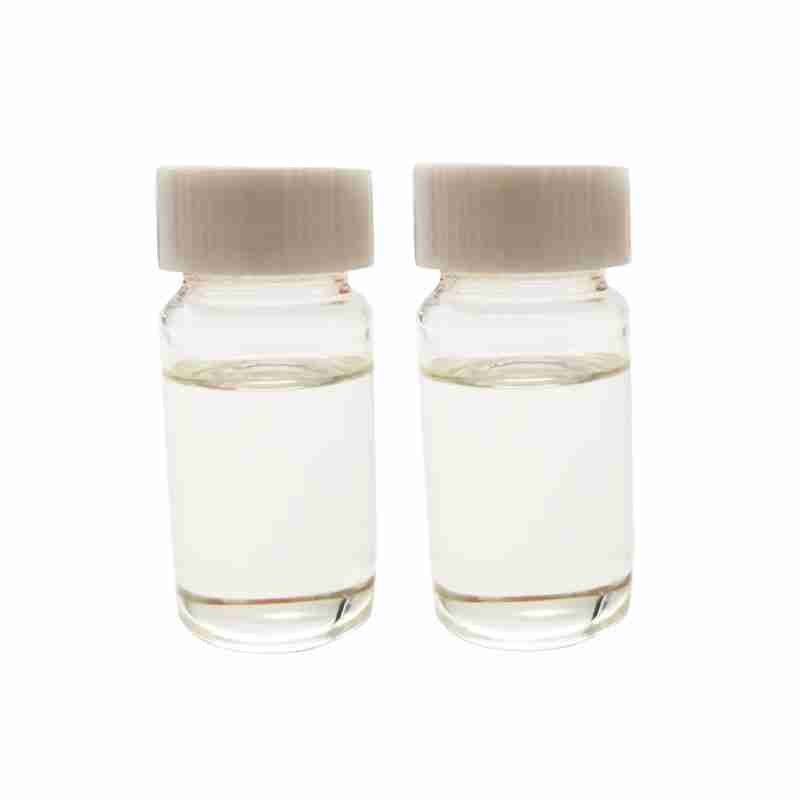
Cis ?C 3-Methyl-4-octanolide, also known as cis- ??- methyl- ??- Octalactone or 5-butyldihydro-4-methylfuran-2 (3 H) ?C one, a compound of lactone family, chemical formula C9H16O2. It exists as two optical isomers: 3 R, 4 R (??+??) and 3 S, 4 S (??-??).
3S, 4S isomers, commonly known as whisky lactone or oak lactone, are important components in the aroma of whisky (first discovered by Suomalainen and Nyk ? nen in 1970) and other alcoholic beverages aged in oak barrels. It is sometimes added to wine as a flavoring. It has the aroma of coconut, celery or fresh wood, and can be detected by human body when the concentration in the air is 1 microgram/l. The mixture of cis and trans isomers can repel mosquitoes and flies.

Chemical Name: o-Xylene
Synonyms: 1,2-Dimethylbenzene; ortho-xylene
CAS No.: 95-47-6
Molecular Formula: C8H10
Molecular Weight: 106.17
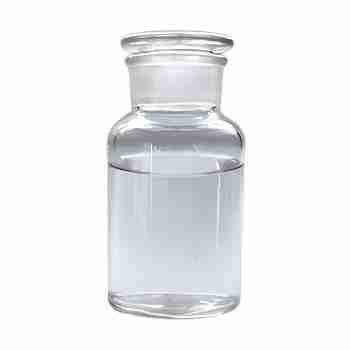
Chemical Name: PHENYL VALERATE
Synonyms: Phenyl pentanoate; Pentanoic acid phenyl ester
Cas No.: 20115-23-5
Molecular Fomula: C11H14O2
Molecular Weight: 178.23
Appearance:?Transparent Colorless Liquid
Pogostemon cablin (Blanco) Benth Made from dried leaves. It is a viscous liquid ranging from reddish brown to greenish brown, with a unique, slightly camphor like woody fragrance.The patchouli shrub is mainly planted in Indonesia. It grows up to 1 meter, but when harvested, it will be cut to 10-15 centimeters. It is best to extract oil from sun dried leaves, with a yield of about 2%.The three terpenoids found in patchouli oil, namely caryophyllene, patchouli alcohol or patchouli alcohol, and nopachenol, are the typical sources of patchouli fragrance. Thin layer chromatography and high performance liquid chromatography are used to identify potential chemical markers for evaluating the quality of the Chinese herbal medicine ingredient ??patchouli herb?? (aboveground part of patchouli). In addition to the reported patchouli alcohol and 2-hydroxy-6-methyl-3- (4-methylpentanoyl) -4-pyranone, three phenylethane compounds (acteoside, isoacteoside, and crenatoside) were also isolated from this plant material for the first time.
Chemical Name: alpha-Hexylcinnamaldehyde
CAS No.: 101-86-0
Molecular Formula: C15H20O
Molecular Weight: 216.32
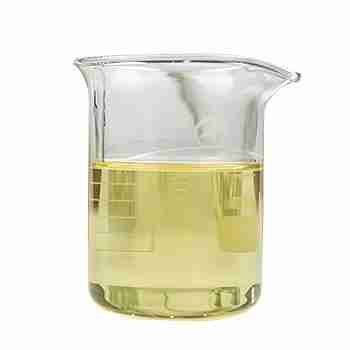
Appearance: Yellow Liquid



Reviews
There are no reviews yet.