

Atractylis oil?CAS 55290-63-6

Chemical Name: Atractylis oil
CAS No.: 55290-63-6
Molecular Fomula: ?C13H10O
Molecular weight: 182.22
Appearance: Red brown liquid, with rhizoma atractylodis aroma.
Assay: ??99.0%
Description
Atractylis oil?Quick Details
Chemical Name: Atractylis oil
CAS No.: 55290-63-6
Molecular Fomula: ?C13H10O
Chemical Structure:
Molecular weight: 182.22
Appearance: Red brown liquid, with rhizoma atractylodis aroma.
Assay: ??99.0%
Typical Properties
ITEMS
SPECIFICATION
?
Characters
?
Red brown liquid, with rhizoma atractylodis aroma.
Specific Gravity at 20??
0.9465-0.9750
Refractive index at 20?? :
1.498-1.510
Optical rotation:
+4?? ~ +8??
?
Content
Atractylol,Atractylon
?
Atractylis oil application:
Atractylodes macrocephala extract is a substance extracted from the dry rhizomes of Asteraceae plants Atractylodes macrocephala or Atractylodes macrocephala. Volatile oil is the main active ingredient in Atractylodes macrocephala, with the highest content being Atractylodes macrocephala extract. Atractylodes macrocephala extract has pharmacological activities such as lowering blood sugar, diuresis, promoting gastric emptying, anti-inflammatory, and anti-tumor effects.
Atractylis oil Packaging and Shipping?
25kg/drum
Atractylis oil?StorageIt should be stored in a clean, dry and cool place, preventing from sunlight, rain.
Related Products
Chemical Name: Ashwagandha Extract
Synonyms: Withania somnifera, ext.; Withania Somnefera Extract
CAS: 90147-43-6
Appearance: Brown

Hydroxytyrosol, a potent antioxidant polyphenol derived from olives, is celebrated for its health-promoting properties. Highly valued in the nutraceutical, cosmetic, and pharmaceutical sectors, it contributes to the development of products that support well-being and skin health.
Hydroxytyrosol, a potent antioxidant polyphenol derived from olives, is celebrated for its health-promoting properties. Highly valued in the nutraceutical, cosmetic, and pharmaceutical sectors, it contributes to the development of products that support well-being and skin health.
Chemical Name: Imazalil Sulfate
CAS No.: 58594-72-2
Molecular Formula: C14H14Cl2N2O.H2SO4
Molecular Weight: 395.26
Appearance: Solid
Chemical Name: Zinc citrate
Synonyms: Zinc citrate trihydrate
CAS No.: 546-46-3
Molecular Formula: C6H8O7Zn
Molecular Weight: 257.5
Appearance: White powder
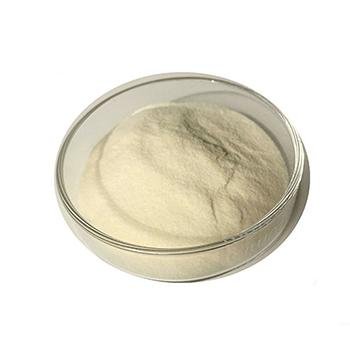
Chemical Name: Quercetin-3-O-sophoroside
CAS No.: 18609-17-1
Molecular Formula: C27H30O17
Molecular Weight: 626.52

Chemical Name:?Quassin
CAS No.: 76-78-8
Molecular Formula: C22H28O6
Molecular Weight: 388.45
Appearance: White Solid
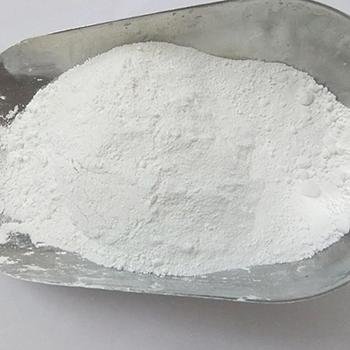
Product name:Cyclopentane
Purity:96%
Appearance:White powder
Package:25kg/bag
Sample:Available


Peony is the dried root of the perennial herbaceous plant Paeoniaceae in the Paeoniaceae family. It is bitter, sour and slightly cold. It returns to the liver and spleen meridians. It has the functions of calming the liver and relieving pain, nourishing blood and regulating menstruation, astringing yin and stopping sweating. It is used for headaches, dizziness, rib pain, abdominal pain, cramps and pain in limbs, blood deficiency and chlorosis, irregular menstruation, spontaneous perspiration, and night sweats.
Paeoniflorin is the main functional component of peony. It is an important physiologically active substance with anti-inflammatory effects, immune system effects, liver protection effects, analgesic effects, etc.
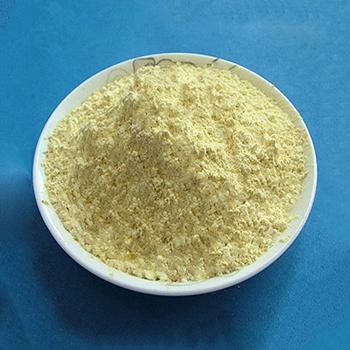
Product name:HYDROXYPROPYL GUAR HYDROXYPROPYLTRIMONIUM CHLORIDE
Purity:99%
Appearance:Light Yellow Powder
Package:Customized according to customer needs.
Sample:Available
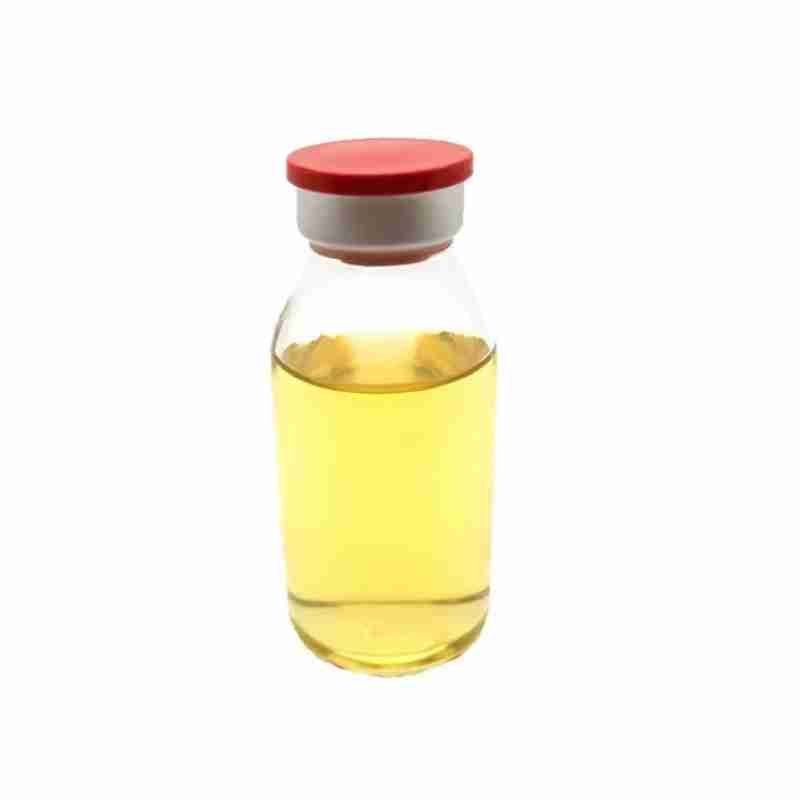
Olive Oil, with a Chemical Abstracts Service (CAS) number of 8001-25-0, is a natural fruit oil obtained from the olive tree. It is renowned for its rich flavor, nutritional benefits, and versatility in culinary uses.



Reviews
There are no reviews yet.