
Description
Disodium Laurylamphoacetate?Quick Details
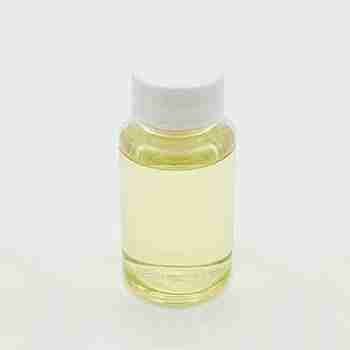
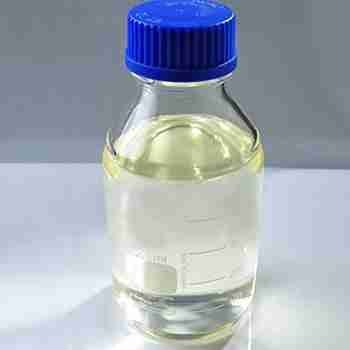
Chemical Name: Disodium Laurylamphoacetate
CAS No.: 14350-97-1
Molecular Fomula: C20H39N2NaO6
Chemical Structure:
Molecular weight: 426.53
Appearance: Yellowish clear liquid
Disodium Laurylamphoacetate?Typical Properties
Testing item
Specification
Appearance
Yellowish clear liquid
pH value (25??C)
8.0-10.0
Solid content (%)
39.0??1.0
Viscosity (25??C,mPa.s)
??10000
PH (10g/L,10% Ethanol solution)
6.0-8.0
Free Amine %
0.10 max
Disodium Laurylamphoacetate?application:
This product is a betaine amphoteric surfactant with lauric acid as the raw material, with good thickening?and foaming properties. It is widely used in tertiary oil recovery and daily chemical products. It is also?widely used in shampoos, body washes and household detergents. It can also be used as?a wetting agent, thickener, antistatic agent and softening agent in the textile printing and?dyeing industry.
Disodium Laurylamphoacetate?Packaging and Shipping?
25kg/drum, 1000kg/IBC
Disodium Laurylamphoacetate?Storage
It should be stored in a clean, dry and cool place, preventing from sunlight, rain.
Related Products

Lauramidopropyl betaine is a mild, biodegradable surfactant commonly used in personal care products and cleaning formulations. It is derived from coconut oil and is known for its foaming and wetting properties, making it ideal for creating rich lathers. This ingredient is particularly favored for its gentleness on the skin and its ability to cleanse without causing irritation, making it suitable for sensitive skin types. It also contributes to the product’s viscosity and stability.

Chemical Name: 3-Hydroxybutyric acid
CAS No.: 625-71-8
Molecular Formula: C4H8O3
Molecular Weight: 104.1
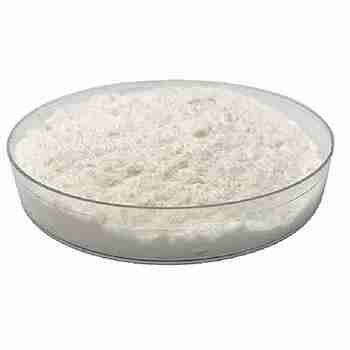
Appearance: White powder
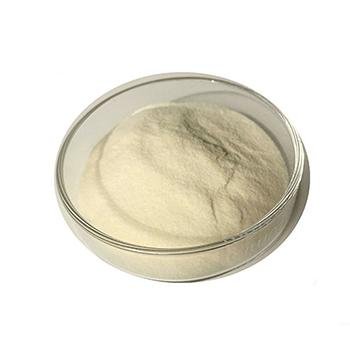
Chemical Name: Quercetin-3-O-sophoroside
CAS No.: 18609-17-1
Molecular Formula: C27H30O17
Molecular Weight: 626.52

Lauryl Glucoside is an eco-conscious non-ionic surfactant, derived from sustainable lauric acid and glucose. It offers superior mildness and biodegradability, making it an ideal choice for formulating gentle and effective cleaning agents in personal care and household products. Its bio-based nature aligns with the growing demand for green chemistry solutions.
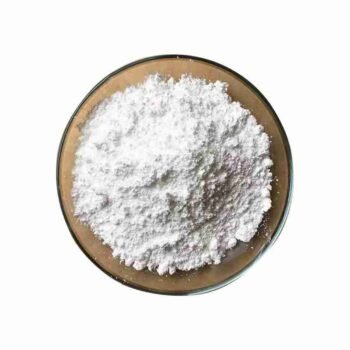
Sodium Ethyl 2-Sulfolaurate is a surfactant with a unique combination of properties. It is an anionic compound, derived from the sulfonation of ethyl laurate, which is then neutralized with sodium hydroxide. This results in a product that is highly effective in lowering the surface tension of water, making it an excellent wetting agent and emulsifier. It is commonly used in personal care products, detergents, and industrial applications for its foaming and dispersing capabilities. As a mild and biodegradable ingredient, it is favored for its environmental and skin-friendly attributes, ensuring safety and performance in a variety of formulations.

Decyl Glucoside is an eco-friendly, non-ionic surfactant derived from renewable resources. Renowned for its mildness and biodegradability, it is ideal for creating gentle, high-performing cleaning agents in personal care and household products. Its sustainable and effective nature makes it a preferred choice for green formulations.
Lauramidopropyl betaine is a mild, biodegradable surfactant commonly used in personal care products and cleaning formulations. It is derived from coconut oil and is known for its foaming and wetting properties, making it ideal for creating rich lathers. This ingredient is particularly favored for its gentleness on the skin and its ability to cleanse without causing irritation, making it suitable for sensitive skin types. It also contributes to the product’s viscosity and stability.
Sodium Ethyl 2-Sulfolaurate is a surfactant with a unique combination of properties. It is an anionic compound, derived from the sulfonation of ethyl laurate, which is then neutralized with sodium hydroxide. This results in a product that is highly effective in lowering the surface tension of water, making it an excellent wetting agent and emulsifier. It is commonly used in personal care products, detergents, and industrial applications for its foaming and dispersing capabilities. As a mild and biodegradable ingredient, it is favored for its environmental and skin-friendly attributes, ensuring safety and performance in a variety of formulations.
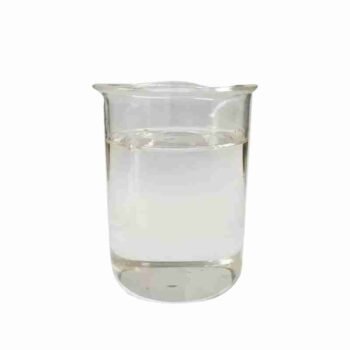
Hexyl D-glucoside is a non-ionic, plant-based surfactant derived from renewable resources such as corn or potato starch. It is recognized for its excellent skin compatibility and mildness, making it a preferred choice for formulations in personal care products, especially those targeting sensitive skin. With its superior solubilizing and foaming capabilities, it enhances the sensory experience of the product without compromising its gentleness. Its eco-friendly profile and biodegradability also align with green chemistry principles, appealing to consumers seeking sustainable product options.
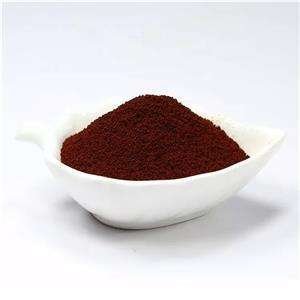
Chemical Name: Choline salicylate
CAS No.: 2016-36-6
Molecular Formula: C12H19NO4
Molecular Weight: 241.28
Appearance: Red-Brown Crystal

Chemical Name: Ashwagandha Extract
Synonyms: Withania somnifera, ext.; Withania Somnefera Extract
CAS: 90147-43-6
Appearance: Brown
Lauryl Glucoside is an eco-conscious non-ionic surfactant, derived from sustainable lauric acid and glucose. It offers superior mildness and biodegradability, making it an ideal choice for formulating gentle and effective cleaning agents in personal care and household products. Its bio-based nature aligns with the growing demand for green chemistry solutions.



Reviews
There are no reviews yet.