
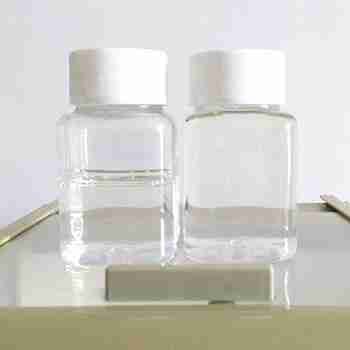
Triethyl Orthopropionate Cas 115-80-0
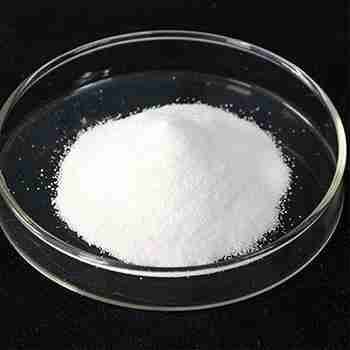
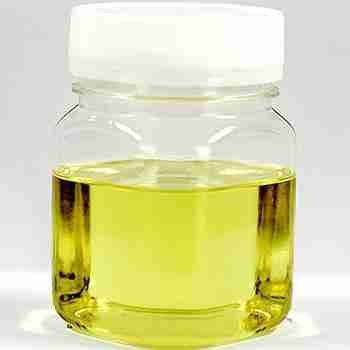
Chemical Name: Triethyl orthopropionate
Synonyms: Orthopropionic acid triethyl ester; 1,1,1-Triethoxypropane; Ethyl orthopropinate; Triethyl-O-propionic acid
CAS No.: 115-80-0
Molecular Formula: C9H20O3
Molecular weight:?176.25
Appearance:?Colorless liquid
Assay: ??99%
Description
Triethyl orthopropionate Quick Details
Chemical Name: Triethyl orthopropionate
Synonyms: Orthopropionic acid triethyl ester; 1,1,1-Triethoxypropane; Ethyl orthopropinate; Triethyl-O-propionic acid
CAS No.: 115-80-0
Molecular Formula: C9H20O3
Chemical Structure:
Molecular weight:?176.25
Appearance:?Colorless liquid
Assay: ??99%
Triethyl orthopropionate Typical Properties
ITEMS
SPECIFICATION
Density
0.876 g/mL at 25 ??C
Boiling point
155-160??
?refractive index
1.4020
Flash point
140???F
Triethyl orthopropionate application:
Used in organic synthesis, dye industry, pharmaceutical industry and film sensitiser.
Triethyl orthopropionate Packaging and Shipping?
175kg/Drum; 25kg/Drum
Triethyl orthopropionate Storage
Sealed storage at room temperature in a dry warehouse
Related Products
Tetraacetylethylenediamine is a fully acetylated derivative of ethylenediamine, offering a high reactivity as an intermediate in organic synthesis. Its unique structure makes it a critical component in the production of specialty chemicals and pharmaceuticals, ensuring a wide range of applications in the chemical industry.
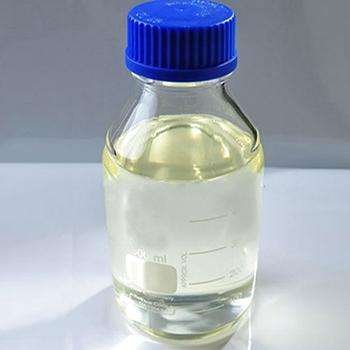
Chemical Name: 1,1,2,2-Tetrachloroethane
Other Name: Tetrachlorethane
CAS No.: 79-34-5
Molecular Formula: C2H2Cl4
Molecular Weight: 167.85
Appearance: Liquid
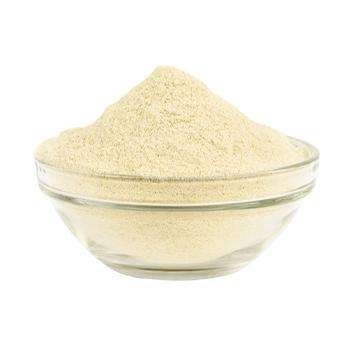
Chemical Name: Arabic gum
CAS No.: 9000-01-5
Appearance: powder
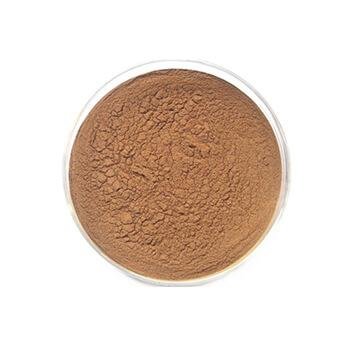
Chemical Name: Ashwagandha Extract
Synonyms: Withania somnifera, ext.; Withania Somnefera Extract
CAS: 90147-43-6
Appearance: Brown

Butylated Hydroxytoluene (BHT) is a synthetic phenolic antioxidant commonly added to foods, cosmetics, and packaging to prevent the oxidation of fats and oils, thereby extending their shelf life. It is also used as a preservative in a variety of products, including rubber, petroleum products, and animal feed. BHT is recognized for its effectiveness in maintaining nutrient levels, color, flavor, and odor in food products . It is known to have a melting point of 69-71??C, a boiling point of 265??C, and is soluble in ethanol, acetone, and benzene, but not in water, glycerin, or propylene glycol . BHT is also used in some dietary supplements due to its antioxidant properties . However, it is important to handle BHT with care, as it can cause skin irritation and is considered harmful if swallowed .
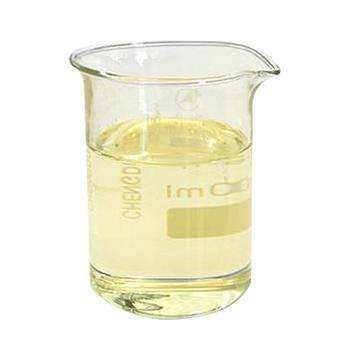
Chemical Name: Potassium Castorate
CAS No.: 8013-05-6
Molecular Formula: C57H107K3O12
Molecular Weight: 1101.74718
Appearance: Yellow Liquid


Octocrylene is an organic compound widely recognized for its potent UV-filtering properties, making it an essential ingredient in sunscreens and other skincare products designed to protect the skin from harmful ultraviolet radiation. With the chemical name 2-(4-Methylbenzyl)-2H-benzotriazole-5-methyl, octocrylene is a stable and photostable molecule that provides broad-spectrum protection against both UVA and UVB rays.
This oil-soluble chemical is valued for its ability to absorb UV radiation effectively, converting it into heat without causing skin irritation or staining clothes. Octocrylene is often used in combination with other UV filters to enhance the sun protection factor (SPF) of formulations, ensuring a balanced and comprehensive defense against sun damage.
As a lipophilic compound, octocrylene is compatible with various cosmetic and dermatological formulations, contributing to the development of lightweight, non-greasy sunscreens. Its chemical structure allows for a high degree of safety and efficacy, making it suitable for a wide range of skin types, including sensitive skin.
In summary, octocrylene is a reliable and efficient UV filter, pivotal in the formulation of modern sunscreens that offer advanced protection against the sun’s harmful effects while maintaining skin comfort and product aesthetics.
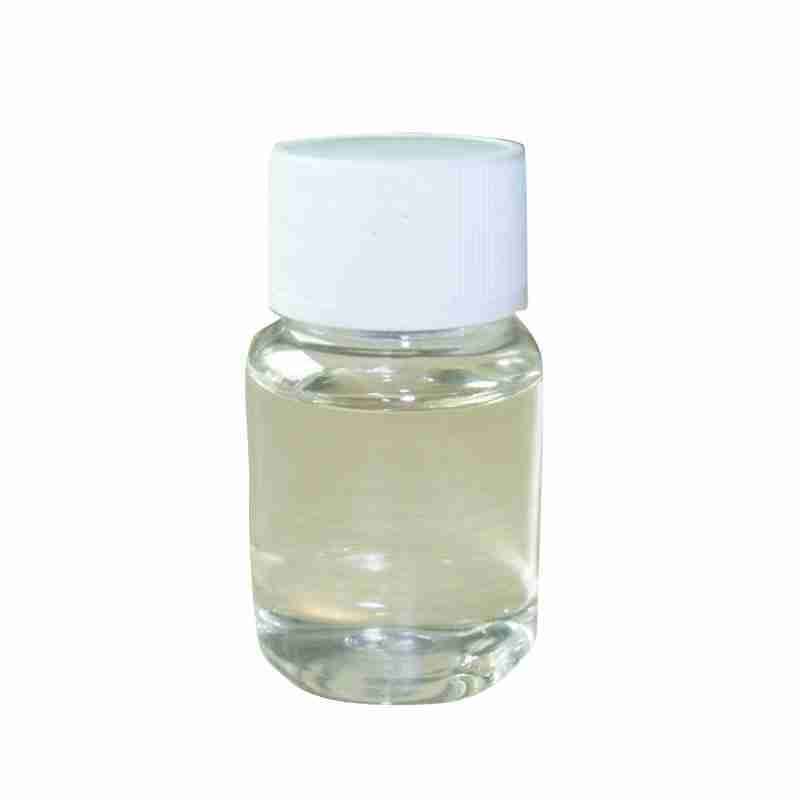
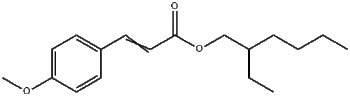
Octyl 4-methoxycinnamate, scientifically known as 2-Ethylhexyl 4-Methoxycinnamate, is a highly effective organic UV filter commonly used in the formulation of sunscreens and cosmetic products. This compound is renowned for its ability to absorb ultraviolet B (UVB) radiation, providing a reliable defense against the sun’s harmful effects on the skin.
Characterized by its chemical formula C19H28O3, Octyl 4-methoxycinnamate is a liquid ester that is readily soluble in organic solvents. It is valued for its photostability, which means it maintains its protective properties even after prolonged exposure to sunlight. This feature makes it an ideal ingredient for products designed to offer long-lasting sun protection.
In addition to its UVB absorption capabilities, Octyl 4-methoxycinnamate is also appreciated for its compatibility with other UV filters, allowing for the creation of broad-spectrum sunscreens. It contributes to the development of formulations that are non-greasy and cosmetically elegant, suitable for a variety of skin types.
As a key component in sun care products, Octyl 4-methoxycinnamate supports the skin’s health by preventing sunburn, reducing the risk of skin cancer, and delaying the signs of photoaging. Its safety profile and efficacy make it a preferred choice in the personal care and dermatological industries for sun protection solutions.
3,4-Ethylenedioxythiophene is a synthetic organic compound characterized by its unique structure that includes a thiophene ring with ethylenedioxy substituents at the 3 and 4 positions. This compound is known for its potential applications in the synthesis of various organic materials, including pharmaceuticals and organic electronic devices such as sensors and solar cells. Its stability and reactivity make it a versatile intermediate in the chemical industry.
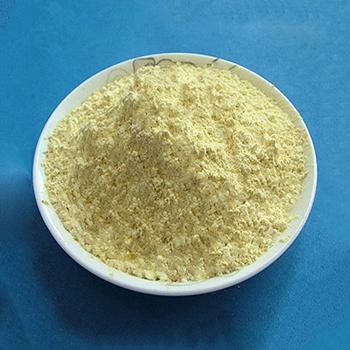
Product name:HYDROXYPROPYL GUAR HYDROXYPROPYLTRIMONIUM CHLORIDE
Purity:99%
Appearance:Light Yellow Powder
Package:Customized according to customer needs.
Sample:Available
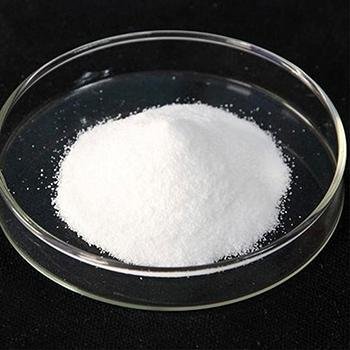
Chemical Name: UV-120
Other Name: (2’,4’-Di-tert-butylphenyl 3,5-di-tert-butyl-4-hydroxybenzoate)
CAS No.: 4221-80-1
Molecular Fomula: C29H42O3
Molecular weight: 438.66
Assay: ≥99%(LC)

Ethylhexyl Palmitate is a skin-conditioning ester, derived from ethylhexanol and palmitic acid, that imparts moisturization and a smooth texture to cosmetic and personal care formulations. It is valued for its emollient properties, enhancing the sensory experience of skin care products.



Reviews
There are no reviews yet.