Borage Oil Cas 84012-16-8
Chemical Name: Borage oil
Synonyms: Borage Seed Oil; Borage Excract
CAS No.:?84012-16-8
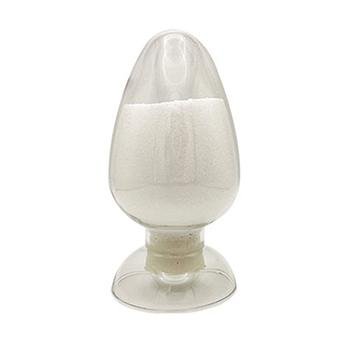
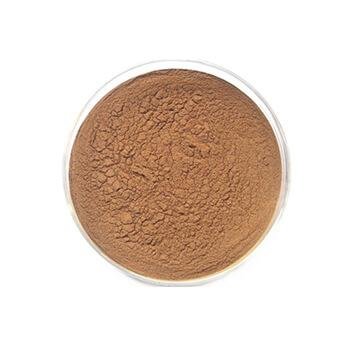
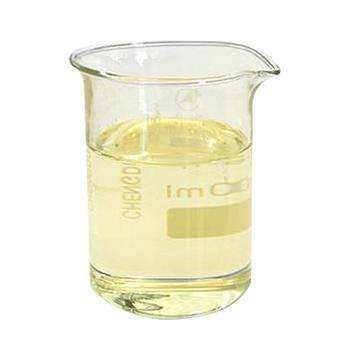
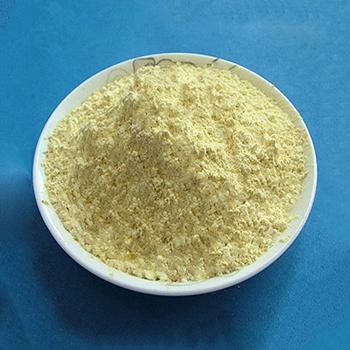
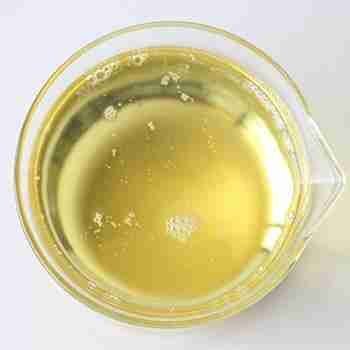
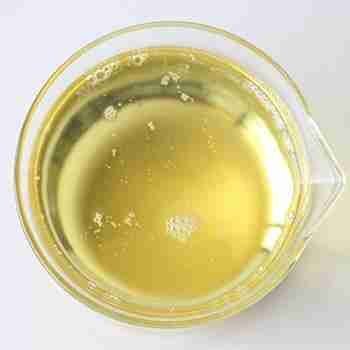
Appearance: Light yellow oily liquid
发送询盘
Description
Borage oil Details
Chemical Name: Borage oil
Synonyms: Borage Seed Oil; Borage Excract
CAS No.:?84012-16-8
Appearance: Light yellow oily liquid
Borage oil Typical?Properties
Acid value
2.0mgK0H/g max
Peroxide value
2.0 meq/kg max
Refractive index
1.479-1. 481
Specific gravity
0.924-0. 928
Water and volatile matter
0.05% max
Iodine value
173-182g/100g
Saponification value
185- 195mg/g
Borage oil Application:
Borage oil is rich in essential fatty acids, ??-linolenic acid and linoleic acid, which are essential fatty acids that the human body cannot synthesize by itself and must be taken from the outside. It has a good regulatory effect on human physiological functions. Borage oil has certain effects in treating and relieving premenstrual syndrome, multiple sclerosis, menopausal problems, heart disease, psoriasis, eczema and premature aging of the skin.
Borage oil Package:?
25kg /drum
Borage oil Storage:
Store in a dark, dry place away from light. The shelf life is 24 months if the barrel is not opened.
| 5 |
|
0 |
| 4 |
|
0 |
| 3 |
|
0 |
| 2 |
|
0 |
| 1 |
|
0 |
- 2
- 2-diallylpent-4-en-1-amine
- 4
- 95-16-9
- Ammonium sulfamate
- Benzothiazole
- cas:67889-00-3ح2
- cas:83524-75-8 | pigment black 32
- cas:928836-00-4 | 2
- cas:932745-70-5 | 4
- Chemical Minerals
- Coconut diethanolamide
- Daily Chemicals
- discount
- for sale
- General pvc resin
- hexyl D-glucoside
- in stock
- Lauramidopropyl betaine
- LAURIC ACID MONOETHANOLAMIDE
- Petroleum Additives
- Plasticiser
- Ploymers
- price
- PVC
- quotation
- Raw Materal
- Remove term: Petroleum Additives Petroleum Additive
- SODIUM ETHYL 2-SULFOLAURATE
Related Products
Rosin has many excellent properties due to its structural characteristics, such as anti-corrosion, moisture-proof, insulation, bonding, emulsification, etc., so it is widely used in materials, chemistry, chemical industry, electronics industry, medicine and pesticides.
Huperzine A is a natural plant extract. Compared with similar AD treatment drugs approved by the US FDA, Huperzine A has a unique chemical structure and has extremely high selectivity to inhibit acetylcholinesterase in the brain and enhance cholinergic in the brain. function of neurons. In addition, Huperzine A has obvious effects on improving memory and improving cognitive ability.
Huperzine A has a small relative molecular weight, high lipid solubility, and is easy to pass through the blood-brain barrier. After entering the central nervous system, it is mostly distributed in the frontal lobe, temporal lobe, hippocampus and other parts of the brain. Its pharmacological effects have multiple targets. In addition to inhibiting the activity of acetylcholinesterase, it can also antagonize oxidative stress and apoptosis induced by ??-amyloid peptide (A??), hydrogen peroxide and other neurotoxins, by activating the protein kinase C (PKC) signal transduction pathway. Activation of ??-secretase promotes the decomposition of ??-amyloid precursor protein (APP) in a non-amyloidogenic manner to produce sAPP??, reducing A??-mediated toxicity, while sAPP?? can effectively promote cell proliferation, axonal growth, and protect nerves. cell.
Chemical Name: Dehydrocholic acid
Synonyms: Acide dehydrocholique; Triketocholanic acid
CAS No.: 81-23-2
Molecular Formula: C24H34O5
Molecular Weight: 402.53
Appearance: Powder
Peony is the dried root of the perennial herbaceous plant Paeoniaceae in the Paeoniaceae family. It is bitter, sour and slightly cold. It returns to the liver and spleen meridians. It has the functions of calming the liver and relieving pain, nourishing blood and regulating menstruation, astringing yin and stopping sweating. It is used for headaches, dizziness, rib pain, abdominal pain, cramps and pain in limbs, blood deficiency and chlorosis, irregular menstruation, spontaneous perspiration, and night sweats.
Paeoniflorin is the main functional component of peony. It is an important physiologically active substance with anti-inflammatory effects, immune system effects, liver protection effects, analgesic effects, etc.
Osthole belongs to coumarin compounds. It is prismatic-like crystals (diethyl ether) and needle-like crystals (Ethanol) with the melting point being 83~84 ?? and the boiling point being 145~150 ??. It is soluble in alkaline solution, methanol, ethanol, chloroform, acetone, ethyl acetate, and boiling petroleum ether but insoluble in water and petroleum ether.
Osthole has various kinds of effects of antispasmodic, hypotensive, anti-arrhythmic and enhancing immune function and broad-spectrum antimicrobial effect. Osthole can not only have efficacy such as anti-hypertensive, anti-arrhythmic, anti-inflammatory, anti-tumor and anti-osteoporosis effect, but can also act as a new type of biological pesticides with significant efficacy in treating pests and plant pathogens.
Chemical Name: 1,1,2,2-Tetrachloroethane
Other Name: Tetrachlorethane
CAS No.: 79-34-5
Molecular Formula: C2H2Cl4
Molecular Weight: 167.85
Appearance: Liquid
Chemical Name: UV-120
Other Name: (2’,4’-Di-tert-butylphenyl 3,5-di-tert-butyl-4-hydroxybenzoate)
CAS No.: 4221-80-1
Molecular Fomula: C29H42O3
Molecular weight: 438.66
Assay: ≥99%(LC)
Chemical Name: Ammonium Iron(II) Sulfate
Synonyms: Diammonium iron bis(sulphate); iron (ii) ammonium sulfate
CAS No.: 10045-89-3
Molecular Formula: FeH5NO4S
Molecular Weight: 170.95
Product name:HYDROXYPROPYL GUAR HYDROXYPROPYLTRIMONIUM CHLORIDE
Purity:99%
Appearance:Light Yellow Powder
Package:Customized according to customer needs.
Sample:Available
Chemical Name: Zinc citrate
Synonyms: Zinc citrate trihydrate
CAS No.: 546-46-3
Molecular Formula: C6H8O7Zn
Molecular Weight: 257.5
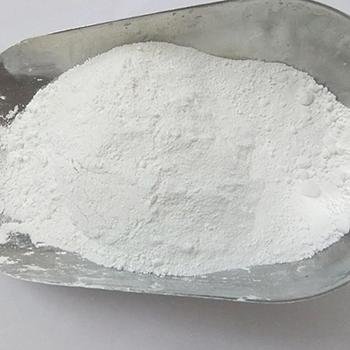
Appearance: White powder

Chemical Name:?Ptaquiloside
CAS No.: 87625-62-5
Molecular Formula: C20H30O8
Molecular Weight: 398.45
Appearance: White Powder


Reviews
There are no reviews yet.