

Description
Ammonium molybdate tetrahydrate?Quick Details
Chemical Name: Ammonium molybdate tetrahydrate
CAS No.: 12054-85-2
Molecular Fomula: 4MoO3.3H2MoO4.4H2O.6H3N
Chemical Structure:
Molecular weight: 1235.85
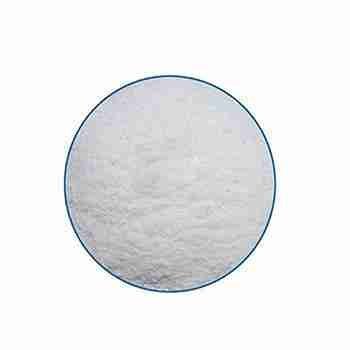
Appearance: white powder
Assay: ??54.0%
Typical Properties
ITEMS
SPECIFICATION
Mo(%)
54.10
Al(%)
0.0004
C(%)
0.0006
Cu(%)
0.0003
Fe(%)
0.0005
K(%)
0.0056
Mg(%)
0.0005
Mn(%)
0.0004
Na(%)
0.0006
Ni(%)
0.0003
P(%)
0.0004
Pb(%)
0.0003
Si(%)
0.0005
Sn(%)
0.0005
Ammonium molybdate tetrahydrate application:
Ammonium molybdate is used as a catalyst for hydrogenation and desulfurization in the petrochemical industry, and in the metallurgical industry, it is used to produce molybdenum powder, molybdenum bars, molybdenum billets, molybdenum sheets, etc. It can also be used as a trace element fertilizer, as a raw material for manufacturing ceramic pigments, pigments, and other molybdenum compounds.
Packaging and Shipping?
25kg/drum
Ammonium molybdate tetrahydrate?Storage
It should be stored in a clean, dry and cool place, preventing from sunlight, rain.
Related Products
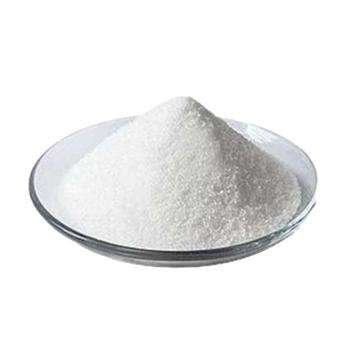
Chemical Name: 3-Hydroxybutyric acid
CAS No.: 625-71-8
Molecular Formula: C4H8O3
Molecular Weight: 104.1
Appearance: White powder
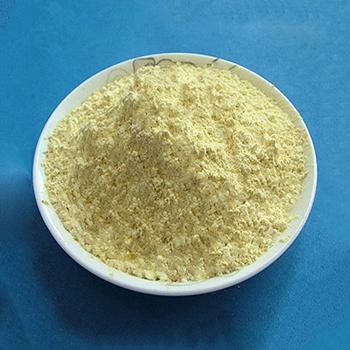
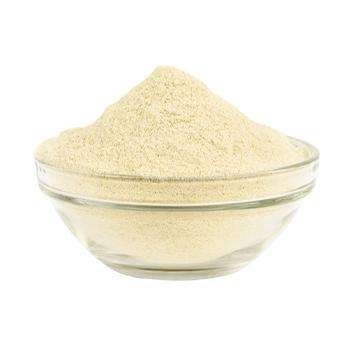
Product name:HYDROXYPROPYL GUAR HYDROXYPROPYLTRIMONIUM CHLORIDE
Purity:99%
Appearance:Light Yellow Powder
Package:Customized according to customer needs.
Sample:Available
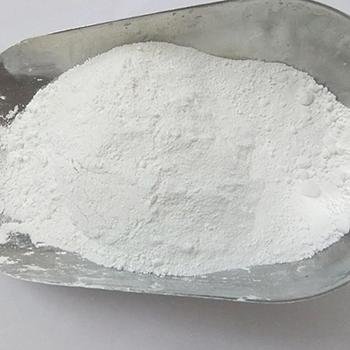
Product name:Cyclopentane
Purity:96%
Appearance:White powder
Package:25kg/bag
Sample:Available
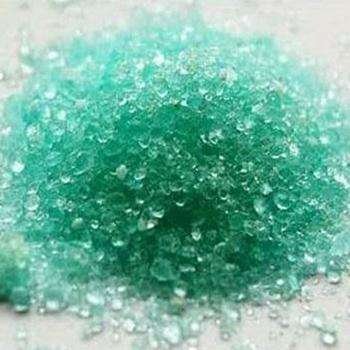
Chemical Name: Arabic gum
CAS No.: 9000-01-5
Appearance: powder

Aluminum chlorohydrate is an inorganic compound often used as a coagulant in water treatment processes. It is also known for its astringent properties and is utilized in various personal care products, such as antiperspirants and deodorants, due to its ability to temporarily close sweat glands. It enhances the viscosity and stability of formulations, making it a valuable ingredient in cosmetics and pharmaceuticals.
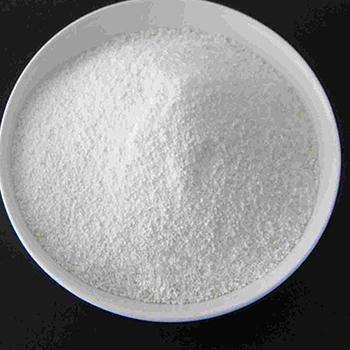
Chemical Name: Ammonium Iron(II) Sulfate
Synonyms: Diammonium iron bis(sulphate); iron (ii) ammonium sulfate
CAS No.: 10045-89-3
Molecular Formula: FeH5NO4S
Molecular Weight: 170.95

Chemical Name: Ashwagandha Extract
Synonyms: Withania somnifera, ext.; Withania Somnefera Extract
CAS: 90147-43-6
Appearance: Brown

Hexaammonium molybdate is a high-purity, water-soluble molybdenum compound with the chemical formula (NH4)6Mo7O24??4H2O. It is a crystalline solid that serves as a molybdenum source in various applications, including agriculture as a micronutrient fertilizer and in the industrial production of catalysts and pigments. Known for its stability and reactivity, it is used to enhance the properties of steel and other alloys, promoting their hardness and resistance to wear.
Chemical Name: Dehydrocholic acid
Synonyms: Acide dehydrocholique; Triketocholanic acid
CAS No.: 81-23-2
Molecular Formula: C24H34O5
Molecular Weight: 402.53
Appearance: Powder
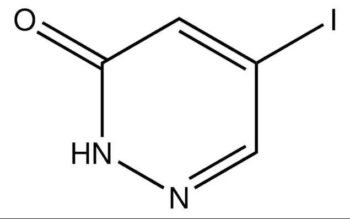
Common English name: 5-iodo-2,3-dihydropyridazin-3-one
CAS No.: 825633-94-1
Molecular formula: C4H3IN2O
Molecular weight: 221.98
Sample: Available
Aluminum chlorohydrate is an inorganic compound often used as a coagulant in water treatment processes. It is also known for its astringent properties and is utilized in various personal care products, such as antiperspirants and deodorants, due to its ability to temporarily close sweat glands. It enhances the viscosity and stability of formulations, making it a valuable ingredient in cosmetics and pharmaceuticals.

Carbon black, also known as carbon dark, is a kind of unformed carbon. It??s a light, loose and extremely fine black greasepaint with a veritably large face area ranging from 10 to 3000m2/g. It??s an deficient combustion of carbonaceous substances( coal, natural gas, heavy oil painting, energy oil painting,etc.) under conditions of inadequate air. Or products deduced from thermal corruption. Those made from natural gas are called?? gas dark??, those made from oil painting are called?? beacon black??, and those made from acetylene are called?? acetylene black??. In addition, there are?? trough black?? and?? furnace black??.



Reviews
There are no reviews yet.