
Description
Squalane Quick Details
Chemical Name: Squalane
CAS No.: 111-01-3
Molecular Formula: C30H62
Chemical Structure:
Molecular weight: 422.81
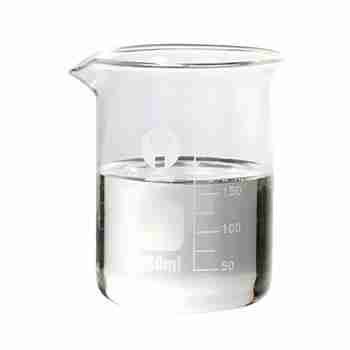
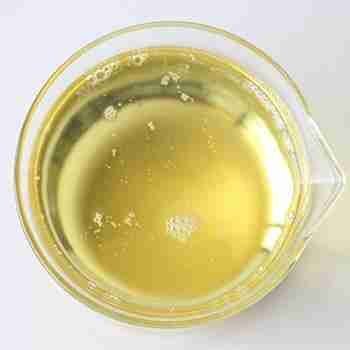
Appearance: Fine Transparent Liquid
Assay????99%
Typical Properties
Items
Specification
Assay
NLT99%
Appearance
Fine Transparent Liquid
Odor&taste
Characteristic
Residue on ignition
??1.0%
Heavy metals
??10ppm
As
??2ppm
Total Plate Count
<1000cfu/g
Yeast & Mold
<100cfu/g
E.Coli
Negative
Salmonella
Negative
S.Aureus
Negative
Applications
Medicine, Health food, Cosmetics
Squalene is used in cosmetics as a natural moisturizer. It penetrates the skin quickly, does not leave a greasy feeling on the skin, and blends well with other oils and vitamins. Squalane is a saturated form of squalene in which the double bonds have been eliminated by hydrogenation. Because squalane is less susceptible to oxidation than squalene, it is more commonly used in personal care products. Toxicology studies have determined that in the concentrations used in cosmetics, both squalene and squalane have low acute toxicity, and are not significant human skin irritants or sensitizers
Packaging and Shipping?
Sealed export grade drum& double sealed plastic bag
Storage
Store in cool & dry place, Keep away from strong light and heat.
Related Products

Chemical Name:?Ptaquiloside
CAS No.: 87625-62-5
Molecular Formula: C20H30O8
Molecular Weight: 398.45
Appearance: White Powder

Puerarin, also known as pueraria flavonoids, is a kind of flavonoid glycoside extracted from the roots of Pueraria alba or Pueraria thomsonii and is also one of the main effective ingredients of Pueraria lobata. That Pueraria lobate was used to treat diseases has already been recorded in China??s ancient medical books such as Shen Nong??s Materia Medica, Treatise on Miscellaneous Diseases and Medical Dictionary.
Kanzu root is widely distributed in our country and of rich resources. It has been reported that puerarin could be extracted from Pueraria lobata (Wild.) Ohwi, Radix Pueraria thomsonii, Pueraria omeiensiswanget Tang, Pueraria edulis Pamp and Pueraria phaseoloides, but the content of puerarin differs.
Pueraria has a great value for nutrition and medicine and was considered the south ginseng of China. Puerarin has been widespread concerned over our country for its use of food and medicine in recent years.

Hydroxytyrosol has anti-inflammatory effects, dilates blood vessels and antibacterial effects, can prevent atherosclerosis, can reduce the incidence of certain cancers (such as breast, prostate, endometrial, digestive tract); Due to its strong antioxidant activity and the effect of reducing the incidence of cancer, hydroxytyrosol has great prospects for medical use. Hydroxytyrosol is a tyrosol metabolite that is also found in olive oil and contains strong antioxidant propertie.
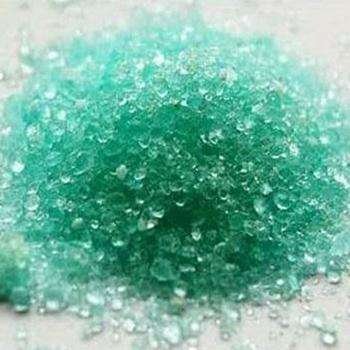
Chemical Name: Ammonium Iron(II) Sulfate
Synonyms: Diammonium iron bis(sulphate); iron (ii) ammonium sulfate
CAS No.: 10045-89-3
Molecular Formula: FeH5NO4S
Molecular Weight: 170.95

Peony is the dried root of the perennial herbaceous plant Paeoniaceae in the Paeoniaceae family. It is bitter, sour and slightly cold. It returns to the liver and spleen meridians. It has the functions of calming the liver and relieving pain, nourishing blood and regulating menstruation, astringing yin and stopping sweating. It is used for headaches, dizziness, rib pain, abdominal pain, cramps and pain in limbs, blood deficiency and chlorosis, irregular menstruation, spontaneous perspiration, and night sweats.
Paeoniflorin is the main functional component of peony. It is an important physiologically active substance with anti-inflammatory effects, immune system effects, liver protection effects, analgesic effects, etc.
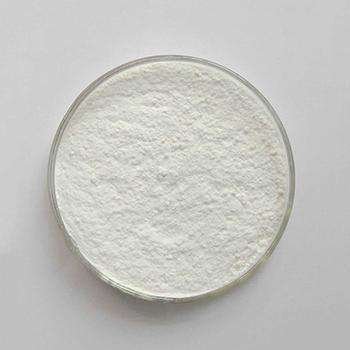
Chemical Name: Zinc citrate
Synonyms: Zinc citrate trihydrate
CAS No.: 546-46-3
Molecular Formula: C6H8O7Zn
Molecular Weight: 257.5
Appearance: White powder
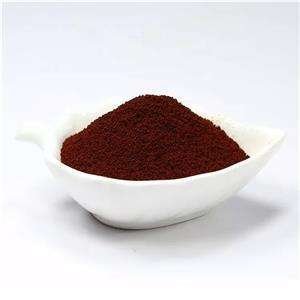
Chemical Name: Choline salicylate
CAS No.: 2016-36-6
Molecular Formula: C12H19NO4
Molecular Weight: 241.28
Appearance: Red-Brown Crystal

Chemical Name: Reishi Mushroom Extract
CAS No.: /
Molecular Fomula: C16H23O15
Chemical Structure: /
Molecular weight: /
Appearance:Brown powder

Chemical Name: Arabic gum
CAS No.: 9000-01-5
Appearance: powder


Chemical Name: o-Xylene
Synonyms: 1,2-Dimethylbenzene; ortho-xylene
CAS No.: 95-47-6
Molecular Formula: C8H10
Molecular Weight: 106.17

Rosin has many excellent properties due to its structural characteristics, such as anti-corrosion, moisture-proof, insulation, bonding, emulsification, etc., so it is widely used in materials, chemistry, chemical industry, electronics industry, medicine and pesticides.



Reviews
There are no reviews yet.