
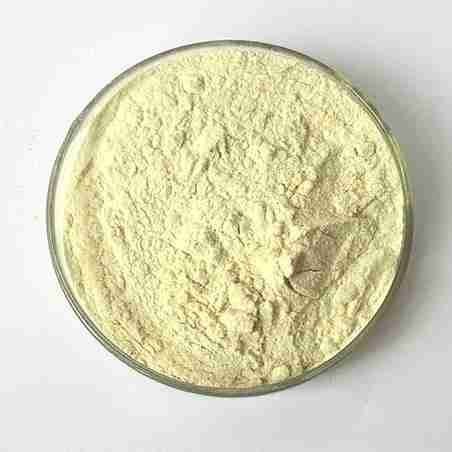
Demeclocycline Hydrochloride Cas 64-73-3

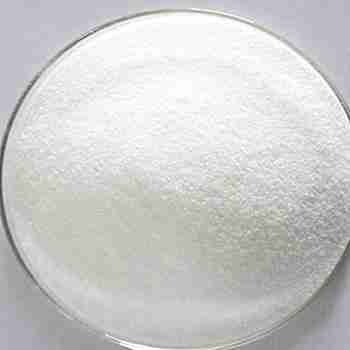
Chemical Name:?Demeclocycline hydrochloride
Other Name: Demeclocycline; Demetraciclina; Mexocine hydrochloride; Dimethycline hydrochloride
CAS No.: 64-73-3
Molecular Fomula: C21H22Cl2N2O8
Description
Demeclocycline hydrochloride Quick Details
Chemical Name:?Demeclocycline hydrochloride
Other Name: Demeclocycline; Demetraciclina; Mexocine hydrochloride; Dimethycline hydrochloride
CAS No.: 64-73-3
Molecular Fomula: C21H22Cl2N2O8
Chemical Structure:
Molecular weight: 501.31
Appearance: Light yellow powder
Demeclocycline hydrochloride?Typical?Properties
ITEMS
SPECIFICATION
Density
/
Boiling point
/
Melt point
>245??C (dec.)
Flash Point
/
Demeclocycline hydrochloride?application:
Mainly used in the production of minocycline and tigecycline.
Demeclocycline hydrochloride?Packaging and Shipping?
customized according to customer needs.
Demeclocycline hydrochloride Storage
Keep in dark place,Inert atmosphere,Room temperature
Related Products

Chemical Name: Marbofloxacin
CAS No.: 115550-35-1
Molecular Formula: C17H19FN4O4
Molecular Weight: 362.36
Appearance: Red-Brown Crystal
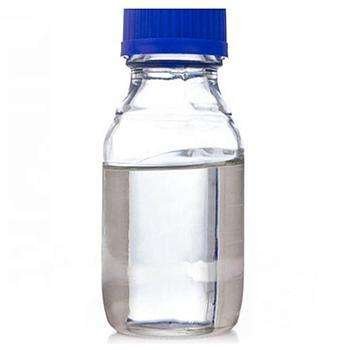
Chemical Name: STODDARD SOLVENT
CAS No.: 64742-88-7
Appearance: Colorless or Light Yellow Liquid

Chemical Name:Sodium Stibogluconate
CAS No.:16037-91-5
Appearance:?White liquid
Assay??99.0%

Chemical Name:?Tebipenem pivoxil
CAS No.: 161715-24-8
Molecular Formula: C22H31N3O6S2
Molecular Weight: 497.63
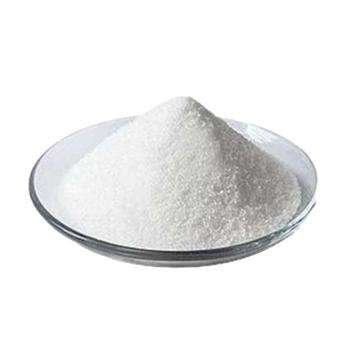
Chemical Name: 3-Hydroxybutyric acid
CAS No.: 625-71-8
Molecular Formula: C4H8O3
Molecular Weight: 104.1
Appearance: White powder
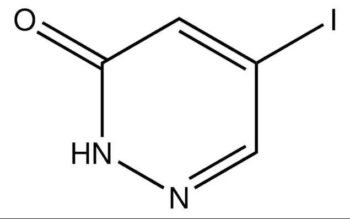
Common English name: 5-iodo-2,3-dihydropyridazin-3-one
CAS No.: 825633-94-1
Molecular formula: C4H3IN2O
Molecular weight: 221.98
Sample: Available
Product name:Cyclopentane
Purity:96%
Appearance:White powder
Package:25kg/bag
Sample:Available
Chemical Name: Imazalil Sulfate
CAS No.: 58594-72-2
Molecular Formula: C14H14Cl2N2O.H2SO4
Molecular Weight: 395.26
Appearance: Solid
Chemical Name: Tylosin tartrate
CAS No.:?74610-55-2
Appearance:?white powder
Assay????98.0%

Levodopa, also known as L-DOPA or 3,4-dihydroxy-L-phenylalanine, is a naturally occurring amino acid and a critical precursor in the biosynthesis of the neurotransmitters dopamine, norepinephrine, and epinephrine. With the molecular formula C9H11NO4, levodopa is a large, neutral amino acid that plays a significant role in the treatment of Parkinson’s disease due to its ability to cross the blood-brain barrier and be converted into dopamine.
Chemically, levodopa is synthesized from the precursor amino acid tyrosine through the action of the enzyme tyrosine hydroxylase. As a medication, levodopa is often formulated with a peripheral DOPA decarboxylase inhibitor to reduce its conversion to dopamine outside the brain, thereby increasing its effectiveness and reducing side effects.
Levodopa is characterized by its effectiveness in alleviating the motor symptoms of Parkinson’s disease, such as tremors, rigidity, and bradykinesia. It is typically administered orally and absorbed from the gastrointestinal tract, where it is then transported to the brain.
In summary, levodopa is a vital pharmaceutical compound used in neurology for its role in treating Parkinson’s disease by replenishing the brain’s dopamine levels. Its targeted delivery and conversion to dopamine make it an essential treatment option for managing the motor symptoms associated with this condition.

Chemical Name: LAPPACONITINE HYDROBROMIDE
Synonyms: Lappaconite HBR; ALLAPININE HYDROBROMIDE
CAS No.: 97792-45-5
Molecular Fomula: C32H45BrN2O8
Molecular weight:?665.61
Appearance: Powder crystal
Assay: ??99.0%
Chemical Name: Ashwagandha Extract
Synonyms: Withania somnifera, ext.; Withania Somnefera Extract
CAS: 90147-43-6
Appearance: Brown



Reviews
There are no reviews yet.