
Description
Silk?Amino Acid Details
Chemical Name: Silk?Amino Acid
Other Name: Protein hydrolyzates, silk; silk hydrolysates; Silk fibroin peptide; Silk Protein hydrolyzates
CAS No.: 96690-41-4
Sources of??raw materials:?Silk Cocoon
Compositions:?Silk protein
INCI name:?Silk amino acid
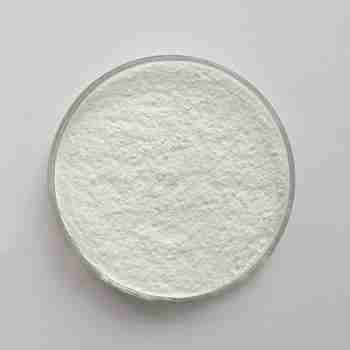
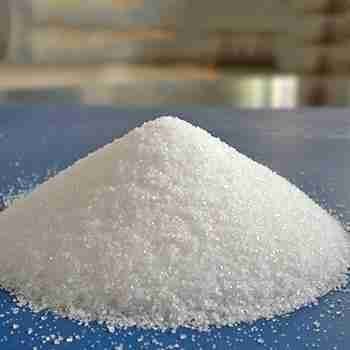
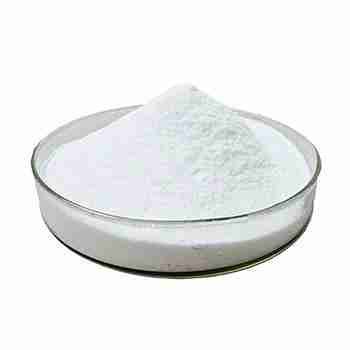
Appearance: White Powder
Silk?Amino Acid Typical Properties
Test item
Specification
Appearance
White or light yellow powder
Total Nitrogen, %
??15
Drying shrinkage,?%
??4
Residue on ignition,?%
??4
pH
5.0-7.0
Pb, mg/kg
??0.5
As, mg/kg
??0.5
Hg, mg/kg
??0.2
Total bacterial count, CFU/g
??1000
Coliform, MPN, entity/100g
??30
Pathogenic bacteria
ND
Water-soluble mixed amino acids, whose average molecular weight is about 90 Da, which is acquired after the hydrolysis of?silk fibroin. White or light yellow powder, the ninhydrin reaction?is?positive.
Silk?Amino Acid Usage
Biomedical materials: used for tissue engineering, repair and regeneration, such as immobilized enzyme materials, cell culture
Cosmetics: as a cosmetic raw material, it has moisturizing and anti-radiation effects.
Silk?Amino Acid and Shipping
Packing: 25KG/Drum
Silk?Amino Acid Storage
Keep in a well-closed,light-resistant, dry and cool place
Related Products
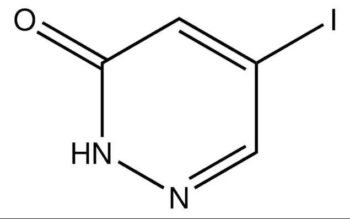
Common English name: 5-iodo-2,3-dihydropyridazin-3-one
CAS No.: 825633-94-1
Molecular formula: C4H3IN2O
Molecular weight: 221.98
Sample: Available
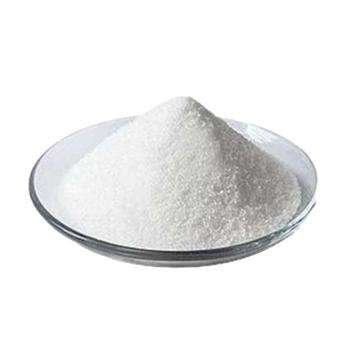
Chemical Name: 3-Hydroxybutyric acid
CAS No.: 625-71-8
Molecular Formula: C4H8O3
Molecular Weight: 104.1
Appearance: White powder

Terpene resin is a type of natural resin derived from terpenes, which are organic compounds found in various plants. It is known for its aromatic properties and is commonly used in the production of fragrances, flavorings, and as a component in adhesives and coatings within the chemical industry. Terpene resin offers a range of benefits, including enhancing the solubility of essential oils and providing a stable base for various applications. Its natural origin makes it a preferred choice for eco-friendly products.
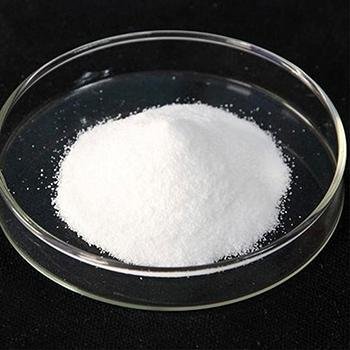
Chemical Name: UV-120
Other Name: (2’,4’-Di-tert-butylphenyl 3,5-di-tert-butyl-4-hydroxybenzoate)
CAS No.: 4221-80-1
Molecular Fomula: C29H42O3
Molecular weight: 438.66
Assay: ≥99%(LC)
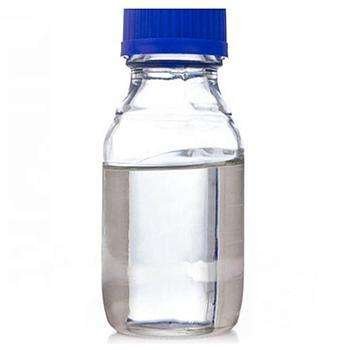
Chemical Name: STODDARD SOLVENT
CAS No.: 64742-88-7
Appearance: Colorless or Light Yellow Liquid
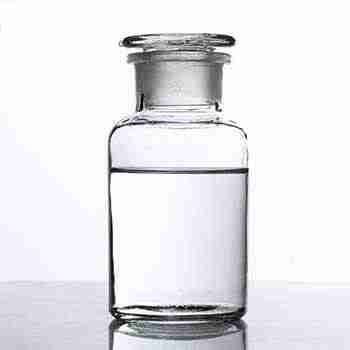
1-Octanol, also known as Capryl alcohol or n-Octanol, is a clear, colorless liquid with a characteristic waxy odor. It is an alcohol with eight carbon atoms in its chain, making it a part of the aliphatic alcohol family. This compound is poorly soluble in water but is miscible with ethanol, diethyl ether, and chloroform . It has a melting point of approximately -15??C and a boiling point of around 196??C . 1-Octanol is used in the production of esters, plasticizers, and as a solvent or intermediate in the synthesis of various organic compounds. It also finds application in the fragrance industry as a fixative in perfumes and can be used in the formulation of flavor and scent compositions . It is important to note that 1-Octanol is flammable and should be handled with care, storing it away from sources of ignition and heat .

Butylated Hydroxytoluene (BHT) is a synthetic phenolic antioxidant commonly added to foods, cosmetics, and packaging to prevent the oxidation of fats and oils, thereby extending their shelf life. It is also used as a preservative in a variety of products, including rubber, petroleum products, and animal feed. BHT is recognized for its effectiveness in maintaining nutrient levels, color, flavor, and odor in food products . It is known to have a melting point of 69-71??C, a boiling point of 265??C, and is soluble in ethanol, acetone, and benzene, but not in water, glycerin, or propylene glycol . BHT is also used in some dietary supplements due to its antioxidant properties . However, it is important to handle BHT with care, as it can cause skin irritation and is considered harmful if swallowed .
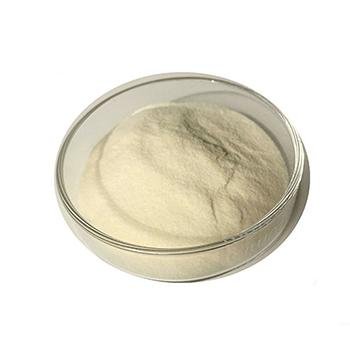
Chemical Name: Quercetin-3-O-sophoroside
CAS No.: 18609-17-1
Molecular Formula: C27H30O17
Molecular Weight: 626.52
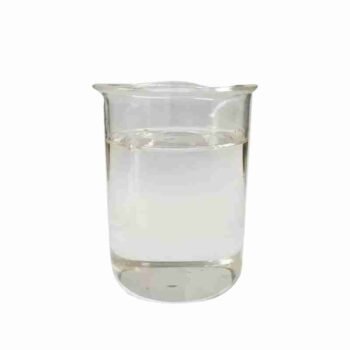
Silicones are a family of synthetic polymers known for their versatility and stability. They are heat-resistant, non-toxic, and have excellent electrical insulation properties. Commonly used in various industries such as construction, automotive, aerospace, and personal care products, silicones offer a wide range of applications from sealants and adhesives to lubricants and medical devices. Their resistance to extreme temperatures and weathering makes them a preferred choice for many high-performance applications.
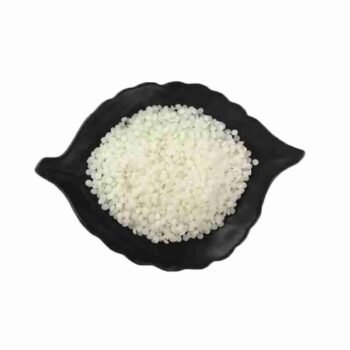
Tetraacetylethylenediamine is a fully acetylated derivative of ethylenediamine, offering a high reactivity as an intermediate in organic synthesis. Its unique structure makes it a critical component in the production of specialty chemicals and pharmaceuticals, ensuring a wide range of applications in the chemical industry.

Benzothiazoles are a class of chemical compounds characterized by a fused benzene and thiazole ring. They exhibit a broad spectrum of applications, particularly as antioxidants in rubber and plastic industries, enhancing product longevity and performance. Additionally, benzothiazoles serve as key intermediates in the synthesis of pharmaceuticals, contributing to the development of life-saving drugs. Recognized for their stability and reactivity, these compounds are integral to advancing material science and healthcare solutions.
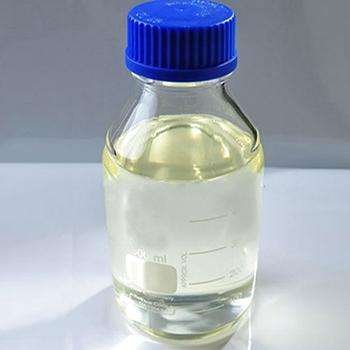
Chemical Name: 1,1,2,2-Tetrachloroethane
Other Name: Tetrachlorethane
CAS No.: 79-34-5
Molecular Formula: C2H2Cl4
Molecular Weight: 167.85
Appearance: Liquid



Reviews
There are no reviews yet.