
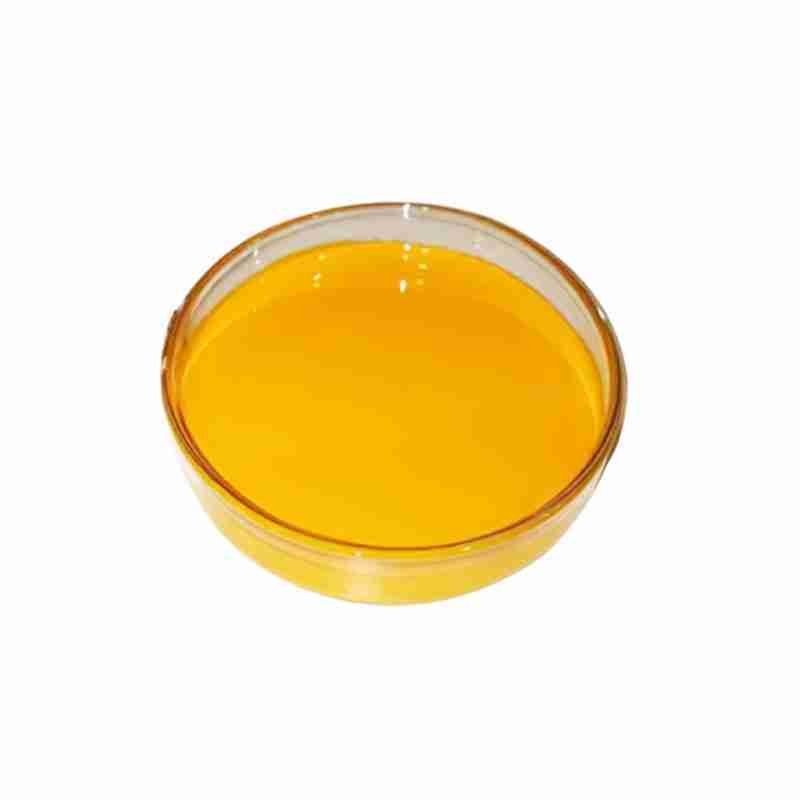
Coumarone-indene resin CAS# 63393-89-5

Coumarone resin is obtained by catalytic polymerization reaction with ethylene tar, carbon nine and other raw materials. It is widely used in many industries, such as rubber, tires, V-belts, conveyor belts, paints, inks, waterproofing, hoses, etc. In the rubber industry, it can soften, reinforce, increase viscosity, disperse, etc., and improve the processing performance of rubber; liquid products are good tackifiers (slightly lower in reinforcement), and solid products, especially high softening point products, are better reinforcing agents (but the viscosity is not as good as liquid coumarone resin). In paints, it can enhance gloss, improve adhesion, increase hardness, increase drying speed, water resistance, acid and alkali resistance, etc.; in inks, it can control viscosity, increase gloss, hardness, pigment connectivity, and increase solvent release speed, etc.
Coumarone-indene resin CAS# 63393-89-5
| COUMARONE RESIN Basic information |
| Product Name: | COUMARONE RESIN |
| Synonyms: | IKP;Coal-tar resins;Coumarone-indene resins;CUMARONRESIN;Benzofuranyl indenyl resin;COURMARONE-INDENE RESINS);Resins, coumarone/indene;Nippon Escouron V-120 |
| CAS: | 63393-89-5 |
| MF: | |
| MW: | 0 |
| EINECS: | |
| Product Categories: | Pharmaceutical Intermediates |
| Mol File: | Mol File |
| COUMARONE RESIN Chemical Properties |
| EPA Substance Registry System | Coumarone-indene resins (63393-89-5) |
| Safety Information |
| COUMARONE RESIN Usage And Synthesis |
| Definition | Thermoplastic resins of relatively low molecular weight produced by the catalytic and thermal polymerization of coumarone and indene. The coumarone content present in these resins is often less than 10%. Other resin formers present may include styrene, vinyltoluenes, methylindenes, methylcoumarones, cyclopentadiene, dicyclopentadiene and their methyl homologs. |
Related Products
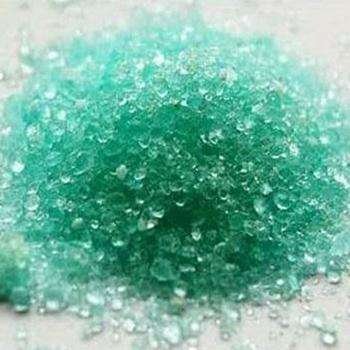
Chemical Name: Ammonium Iron(II) Sulfate
Synonyms: Diammonium iron bis(sulphate); iron (ii) ammonium sulfate
CAS No.: 10045-89-3
Molecular Formula: FeH5NO4S
Molecular Weight: 170.95
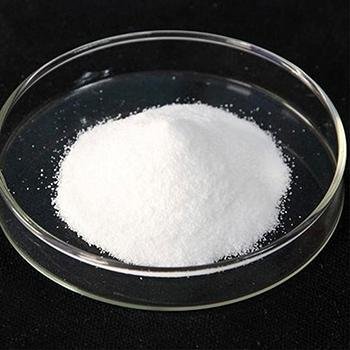
Chemical Name: UV-120
Other Name: (2’,4’-Di-tert-butylphenyl 3,5-di-tert-butyl-4-hydroxybenzoate)
CAS No.: 4221-80-1
Molecular Fomula: C29H42O3
Molecular weight: 438.66
Assay: ≥99%(LC)
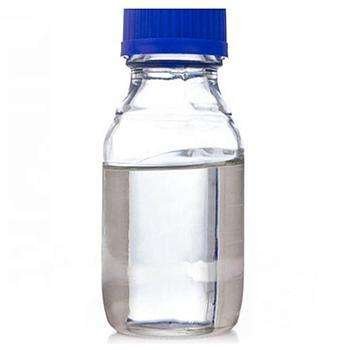
Chemical Name: STODDARD SOLVENT
CAS No.: 64742-88-7
Appearance: Colorless or Light Yellow Liquid
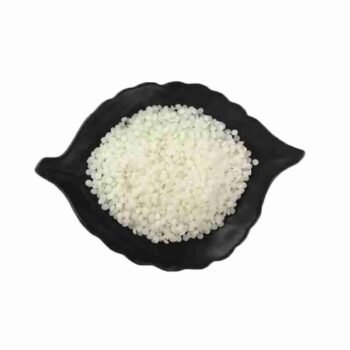
Tetraacetylethylenediamine is a fully acetylated derivative of ethylenediamine, offering a high reactivity as an intermediate in organic synthesis. Its unique structure makes it a critical component in the production of specialty chemicals and pharmaceuticals, ensuring a wide range of applications in the chemical industry.
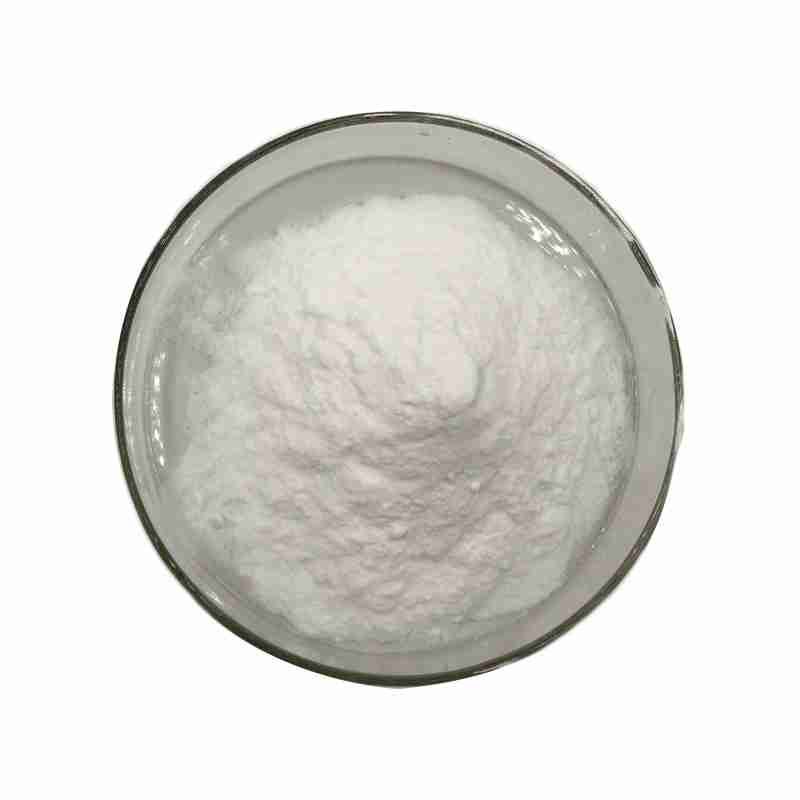
Succinimide is a heterocyclic organic compound and an important industrial chemical. It serves as a key intermediate in the synthesis of various pharmaceuticals, agrochemicals, and other specialty chemicals. Known for its reactivity and versatility, succinimide is widely used in the production of succinic anhydride, a precursor to many polymers and plasticizers, highlighting its significance in the chemical industry.
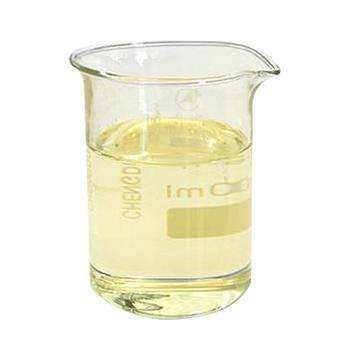
Chemical Name: Potassium Castorate
CAS No.: 8013-05-6
Molecular Formula: C57H107K3O12
Molecular Weight: 1101.74718
Appearance: Yellow Liquid
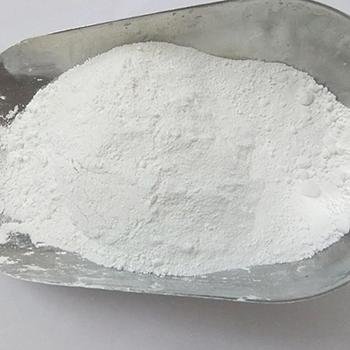
Product name:Cyclopentane
Purity:96%
Appearance:White powder
Package:25kg/bag
Sample:Available
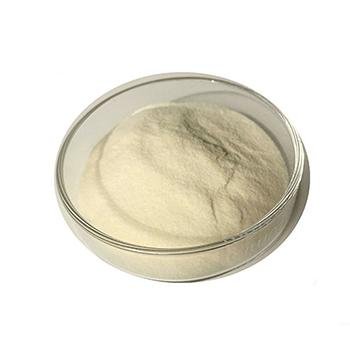
Chemical Name: Quercetin-3-O-sophoroside
CAS No.: 18609-17-1
Molecular Formula: C27H30O17
Molecular Weight: 626.52
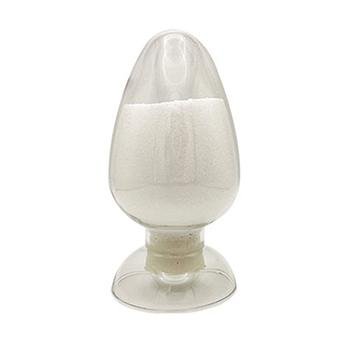
Chemical Name: Imazalil Sulfate
CAS No.: 58594-72-2
Molecular Formula: C14H14Cl2N2O.H2SO4
Molecular Weight: 395.26
Appearance: Solid
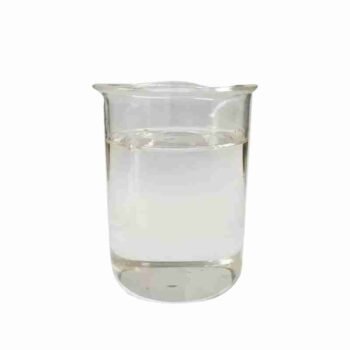
Silicones are a family of synthetic polymers known for their versatility and stability. They are heat-resistant, non-toxic, and have excellent electrical insulation properties. Commonly used in various industries such as construction, automotive, aerospace, and personal care products, silicones offer a wide range of applications from sealants and adhesives to lubricants and medical devices. Their resistance to extreme temperatures and weathering makes them a preferred choice for many high-performance applications.
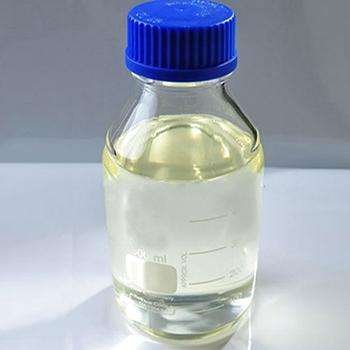
Chemical Name: 1,1,2,2-Tetrachloroethane
Other Name: Tetrachlorethane
CAS No.: 79-34-5
Molecular Formula: C2H2Cl4
Molecular Weight: 167.85
Appearance: Liquid
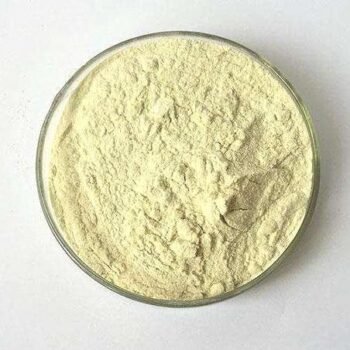
Chemical Name: o-Xylene
Synonyms: 1,2-Dimethylbenzene; ortho-xylene
CAS No.: 95-47-6
Molecular Formula: C8H10
Molecular Weight: 106.17


