
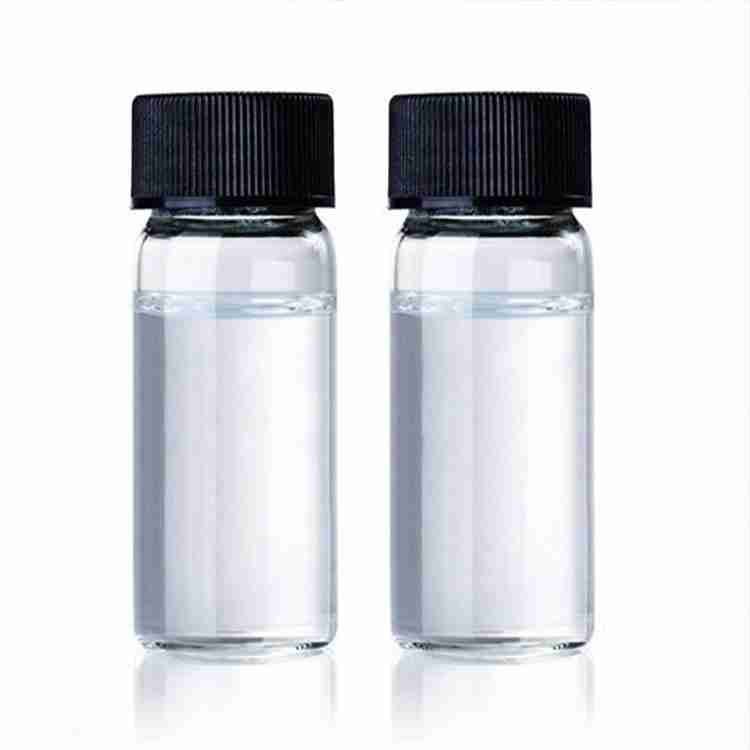
C12-20 Isoparaffin CAS# 64742-46-7
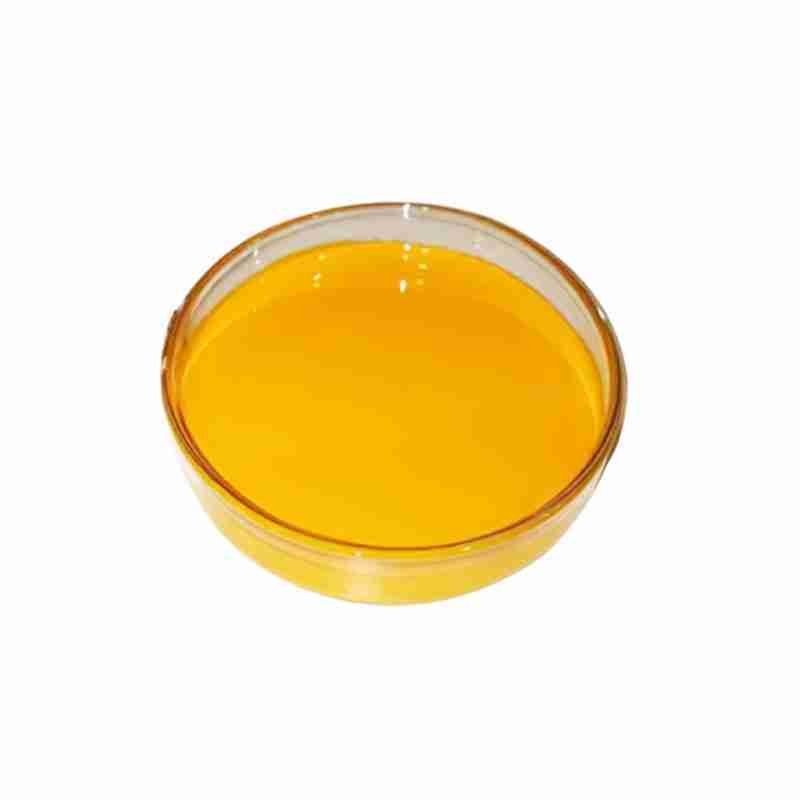
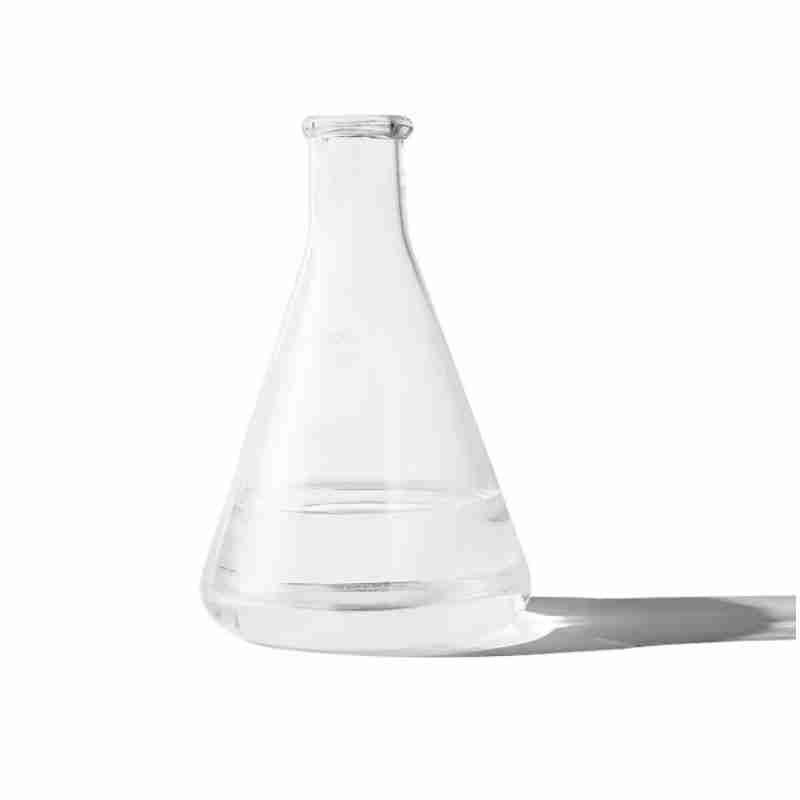
C12-20 isoparaffin (CAS 64742-46-7) is a mixture of isoparaffins with a specific carbon chain length distribution.
Its main characteristics include: Appearance: usually a colorless and transparent liquid. Solubility: can be well dissolved in a variety of organic solvents.
In terms of performance: has good stability, not easy to oxidize and deteriorate. Low volatility reduces losses during use.
C12-20 isoparaffin is widely used in many fields: In the cosmetics industry, it is often used in skin care products and cosmetics, such as lotions, creams, etc., which can improve the texture and touch of the product and enhance its ductility and stability. In the industrial field, it can be used as a lubricant, cleaning agent, etc. In the coatings industry, it can be used as a solvent or additive to help improve the leveling and uniformity of the coating.
| Distillates (petroleum), hydrotreated middle Basic information |
| Product Name: | Distillates (petroleum), hydrotreated middle |
| Synonyms: | Distillates (petroleum), hydrotreated middle;C12-20 ISOPARAFFIN;GASOIL,STRAIGHTRUN,HYDROTREATED;AMOCONT-45PROCESSOIL;Hydrotreated Middle Distillate (Petroleum base oil);Distillates (petroleum), hydrotreated middle Gasoil – unspecified;distillates, petroleum, middle, hydrotreated;Hydroseal G232H |
| CAS: | 64742-46-7 |
| MF: | |
| MW: | 0 |
| EINECS: | 265-148-2 |
| Product Categories: | |
| Mol File: | Mol File |
| Distillates (petroleum), hydrotreated middle Chemical Properties |
| vapor pressure | 4hPa at 40?? |
| CAS DataBase Reference | 64742-46-7 |
| EPA Substance Registry System | Hydrotreated middle distillates (petroleum) (64742-46-7) |
| Safety Information |
| Hazard Codes | T |
| Risk Statements | 45 |
| Safety Statements | 53-45 |
| MSDS Information |
| Distillates (petroleum), hydrotreated middle Usage And Synthesis |
| Definition | Distillates (petroleum), hydrotreated middle is a complex combination of hydrocarbons obtained by treating a petroleum fraction with hydrogen in the presence of a catalyst. It consists of hydrocarbons having carbon numbers predominantly in the range of C11 through C25 and boiling in the range of approximately 205.degree.C to 400.degree.C (401.degree.F to 752.degree.F). |
| Flammability and Explosibility | Flammable |
Related Products
Chemical Name: Zinc citrate
Synonyms: Zinc citrate trihydrate
CAS No.: 546-46-3
Molecular Formula: C6H8O7Zn
Molecular Weight: 257.5
Appearance: White powder
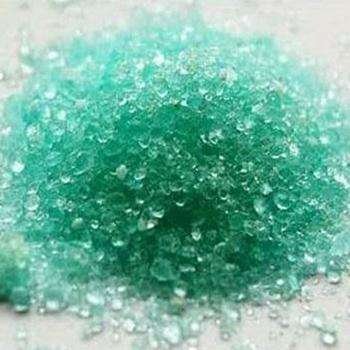
Chemical Name: Ammonium Iron(II) Sulfate
Synonyms: Diammonium iron bis(sulphate); iron (ii) ammonium sulfate
CAS No.: 10045-89-3
Molecular Formula: FeH5NO4S
Molecular Weight: 170.95

Product name:Cyclopentane
Purity:96%
Appearance:White powder
Package:25kg/bag
Sample:Available
Silicones are a family of synthetic polymers known for their versatility and stability. They are heat-resistant, non-toxic, and have excellent electrical insulation properties. Commonly used in various industries such as construction, automotive, aerospace, and personal care products, silicones offer a wide range of applications from sealants and adhesives to lubricants and medical devices. Their resistance to extreme temperatures and weathering makes them a preferred choice for many high-performance applications.

Benzothiazoles are a class of chemical compounds characterized by a fused benzene and thiazole ring. They exhibit a broad spectrum of applications, particularly as antioxidants in rubber and plastic industries, enhancing product longevity and performance. Additionally, benzothiazoles serve as key intermediates in the synthesis of pharmaceuticals, contributing to the development of life-saving drugs. Recognized for their stability and reactivity, these compounds are integral to advancing material science and healthcare solutions.

Succinimide is a heterocyclic organic compound and an important industrial chemical. It serves as a key intermediate in the synthesis of various pharmaceuticals, agrochemicals, and other specialty chemicals. Known for its reactivity and versatility, succinimide is widely used in the production of succinic anhydride, a precursor to many polymers and plasticizers, highlighting its significance in the chemical industry.

Polyhexamethylene guanidine hydrochloride, often abbreviated as PHMG-HCl, is a high molecular weight polymeric biguanide compound known for its potent antimicrobial properties. With a chemical structure that features a long chain of methylene groups bridged by guanidine units, PHMG-HCl is effective against a broad spectrum of microorganisms, including bacteria, viruses, and fungi.
This hydrochloride salt form of PHMG is highly soluble in water and is commonly used in various applications due to its non-irritant and non-toxic nature to human skin and mucous membranes. It is widely recognized for its ability to form a colorless and odorless solution, making it an ideal choice for use in personal care products, medical disinfectants, and water treatment processes.
The versatility of PHMG-HCl lies in its cationic nature, which allows it to bind to negatively charged microbial cell walls, disrupting their integrity and leading to cell death. This mechanism of action contributes to its effectiveness as a preservative and disinfectant. Moreover, its substantivity, or the ability to adhere to surfaces, enhances its long-lasting antimicrobial activity.
In summary, Polyhexamethylene guanidine hydrochloride is a reliable and efficient antimicrobial agent, pivotal in industries where hygiene and cleanliness are paramount, offering a safe and sustainable solution for microbial control.

N,N-Dimethylaniline is an organic compound with amine and methyl groups attached to a benzene ring. It is a colorless liquid with a characteristic amine odor. This compound is primarily used as a chemical intermediate in the synthesis of dyes, pigments, and polymers. Its reactivity makes it a valuable building block in the production of various organic compounds, particularly in the pharmaceutical and chemical industries.

Terpene resin is a type of natural resin derived from terpenes, which are organic compounds found in various plants. It is known for its aromatic properties and is commonly used in the production of fragrances, flavorings, and as a component in adhesives and coatings within the chemical industry. Terpene resin offers a range of benefits, including enhancing the solubility of essential oils and providing a stable base for various applications. Its natural origin makes it a preferred choice for eco-friendly products.
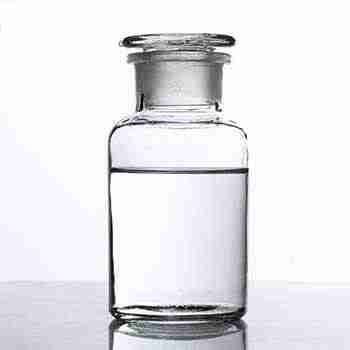
1-Octanol, also known as Capryl alcohol or n-Octanol, is a clear, colorless liquid with a characteristic waxy odor. It is an alcohol with eight carbon atoms in its chain, making it a part of the aliphatic alcohol family. This compound is poorly soluble in water but is miscible with ethanol, diethyl ether, and chloroform . It has a melting point of approximately -15??C and a boiling point of around 196??C . 1-Octanol is used in the production of esters, plasticizers, and as a solvent or intermediate in the synthesis of various organic compounds. It also finds application in the fragrance industry as a fixative in perfumes and can be used in the formulation of flavor and scent compositions . It is important to note that 1-Octanol is flammable and should be handled with care, storing it away from sources of ignition and heat .

Chemical Name: 1,1,2,2-Tetrachloroethane
Other Name: Tetrachlorethane
CAS No.: 79-34-5
Molecular Formula: C2H2Cl4
Molecular Weight: 167.85
Appearance: Liquid

Chemical Name: Quercetin-3-O-sophoroside
CAS No.: 18609-17-1
Molecular Formula: C27H30O17
Molecular Weight: 626.52


