

7-Diethylamino-4-methylcoumarin CAS#91-44-1
7-Diethylamino-4-methylcoumarin is a lactone (behaves as an ester) and an amine. Amines are chemical bases. They neutralize acids to form salts plus water. These acid-base reactions are exothermic. The amount of heat that is evolved per mole of amine in a neutralization is largely independent of the strength of the amine as a base. Amines may be incompatible with isocyanates, halogenated organics, peroxides, phenols (acidic), epoxides, anhydrides, and acid halides. Flammable gaseous hydrogen is generated by amines in combination with strong reducing agents, such as hydrides.
7-Diethylamino-4-methylcoumarin CAS#91-44-1
| Product Name: | 7-Diethylamino-4-methylcoumarin |
| Synonyms: | 2H-1-Benzopyran-2-one, 7-(diethylamino)-4-methyl-;7-(diethyl;7-(diethylamino)-4-methyl-2h-1-benzopyran-2-on;7-(Diethylamino)-4-methyl-2H-chromen-2-one;blancophorffg;c47;Coumalux;coumarin,7-diethylamino-4-methyl- |
| CAS: | 91-44-1 |
| MF: | C14H17NO2 |
| MW: | 231.29 |
| EINECS: | 202-068-9 |
| Product Categories: | |
| Mol File: | 91-44-1.mol |
| Melting point | 72-75 ??C (lit.) |
| Boiling point | 240 ??C / 6.5mmHg |
| density | 1.122 |
| vapor pressure | 0-0.003Pa at 20-25?? |
| refractive index | 1.5300 (estimate) |
| Fp | 152??C |
| storage temp. | Sealed in dry,Room Temperature |
| solubility | Chloroform (Slightly), Methanol (Slightly) |
| pka | 3.51??0.20(Predicted) |
| form | Crystalline Powder |
| color | Light beige to light purple |
| Water Solubility | slightly soluble |
| BRN | 193303 |
| Stability: | Stable. Incompatible with strong oxidizing agents. |
| InChIKey | AFYCEAFSNDLKSX-UHFFFAOYSA-N |
| LogP | 2.523-2.8 at 23-25?? |
| CAS DataBase Reference | 91-44-1(CAS DataBase Reference) |
| NIST Chemistry Reference | Coumarin, 7-(diethylamino)-4-methyl-(91-44-1) |
| EPA Substance Registry System | 7-Diethylamino-4-methylcoumarin (91-44-1) |
| Safety Information |
| Hazard Codes | Xn |
| Risk Statements | 36/37/38-20/21 |
| Safety Statements | 37/39-26 |
| WGK Germany | 2 |
| RTECS | GN6370000 |
| TSCA | Yes |
| HS Code | 29322090 |
| Hazardous Substances Data | 91-44-1(Hazardous Substances Data) |
| Toxicity | LD50 oral in rat: 5gm/kg |
Related Products

Ethylhexyl Palmitate is a skin-conditioning ester, derived from ethylhexanol and palmitic acid, that imparts moisturization and a smooth texture to cosmetic and personal care formulations. It is valued for its emollient properties, enhancing the sensory experience of skin care products.

Chemical Name: Ammonium Iron(II) Sulfate
Synonyms: Diammonium iron bis(sulphate); iron (ii) ammonium sulfate
CAS No.: 10045-89-3
Molecular Formula: FeH5NO4S
Molecular Weight: 170.95
Chemical Name: o-Xylene
Synonyms: 1,2-Dimethylbenzene; ortho-xylene
CAS No.: 95-47-6
Molecular Formula: C8H10
Molecular Weight: 106.17
Chemical Name: Dehydrocholic acid
Synonyms: Acide dehydrocholique; Triketocholanic acid
CAS No.: 81-23-2
Molecular Formula: C24H34O5
Molecular Weight: 402.53
Appearance: Powder

Benzothiazoles are a class of chemical compounds characterized by a fused benzene and thiazole ring. They exhibit a broad spectrum of applications, particularly as antioxidants in rubber and plastic industries, enhancing product longevity and performance. Additionally, benzothiazoles serve as key intermediates in the synthesis of pharmaceuticals, contributing to the development of life-saving drugs. Recognized for their stability and reactivity, these compounds are integral to advancing material science and healthcare solutions.
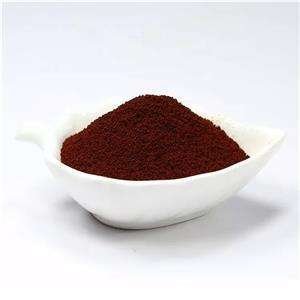
Chemical Name: Choline salicylate
CAS No.: 2016-36-6
Molecular Formula: C12H19NO4
Molecular Weight: 241.28
Appearance: Red-Brown Crystal
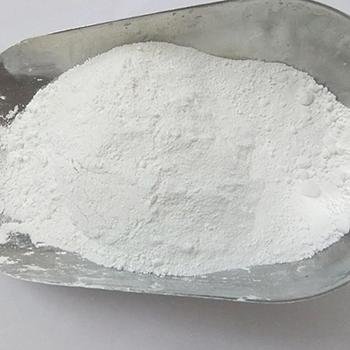
Product name:Cyclopentane
Purity:96%
Appearance:White powder
Package:25kg/bag
Sample:Available

Chemical Name: 1,1,2,2-Tetrachloroethane
Other Name: Tetrachlorethane
CAS No.: 79-34-5
Molecular Formula: C2H2Cl4
Molecular Weight: 167.85
Appearance: Liquid
POLY(VINYL CHLORIDE-CO-ISOBUTYL VINYL ETHER) is a copolymer that combines the properties of vinyl chloride and isobutyl vinyl ether. This polymer offers a balance of rigidity and flexibility, along with enhanced chemical resistance and durability. It is commonly used in the production of films, coatings, and adhesives due to its excellent barrier properties against gases and moisture, making it ideal for packaging and construction applications.

N,N-Dimethylaniline is an organic compound with amine and methyl groups attached to a benzene ring. It is a colorless liquid with a characteristic amine odor. This compound is primarily used as a chemical intermediate in the synthesis of dyes, pigments, and polymers. Its reactivity makes it a valuable building block in the production of various organic compounds, particularly in the pharmaceutical and chemical industries.
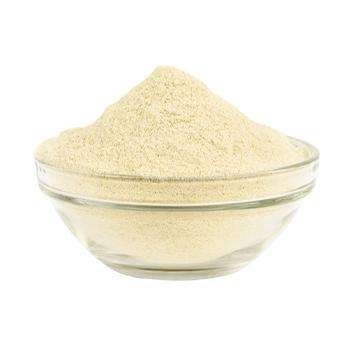
Chemical Name: Arabic gum
CAS No.: 9000-01-5
Appearance: powder
Chemical Name: Zinc citrate
Synonyms: Zinc citrate trihydrate
CAS No.: 546-46-3
Molecular Formula: C6H8O7Zn
Molecular Weight: 257.5
Appearance: White powder


