
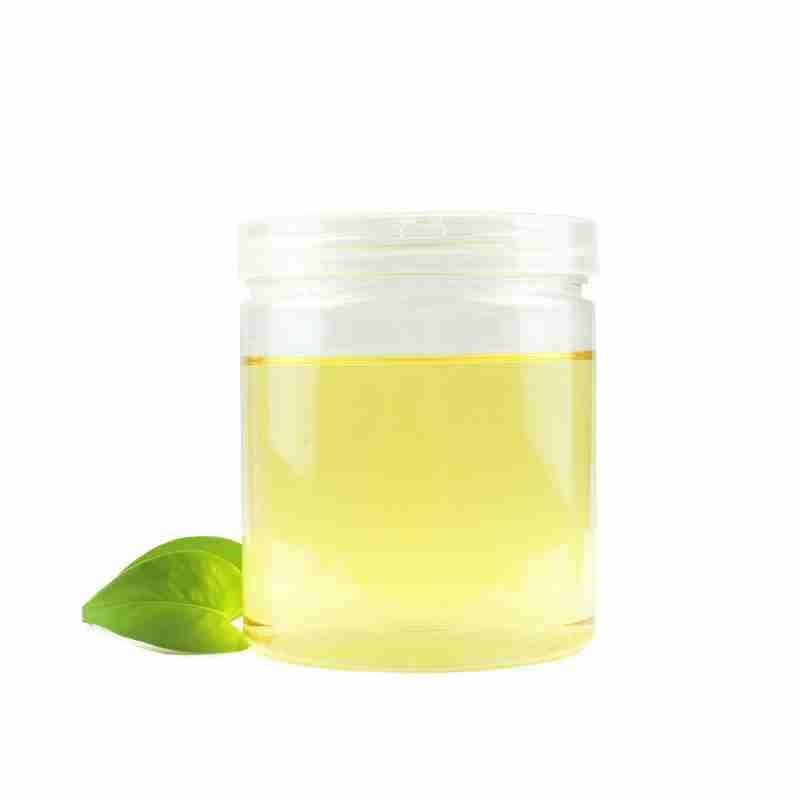
Kerosene CAS#8008-20-6


Kerosene is primarily derived from refined petroleum. Kerosene was discovered in 1853 by Abraham Gesner, a British physician, through an extraction process of inflammable liquid from asphalt, a waxy petroleum mixture. Kerosene, therefore, is often called coal or fuel oil because of its asphalt origins. Kerosene was the first material to be chemically extracted on a large commercial scale.
Kerosene is a white to pale yellow, mobile flammable, and combustible liquid. Kerosene (hydrodesulfurized) is a complex combination of hydrocarbons obtained from a petroleum stock by treating with hydrogen to convert organic sulfur to hydrogen sulfide, which is removed. Kerosene generally consists of hydrocarbons having carbon numbers predominantly in the range of C9 through C16 and boiling in the range of approximately 150?C290?? ??302?C554??F).
Kerosene CAS#8008-20-6
| Kerosene Basic information |
| Product Name: | Kerosene |
| Synonyms: | straight-runkerosene;straight-runkerosine;ultrasene;WAX-OUT CLEANING SOLUTION;Kerosene (PetroleuM Distillate);AF 100 (pesticide);KEROSENE, LOW ODOR;Kerosene-Dyed |
| CAS: | 8008-20-6 |
| MF: | N/A |
| MW: | 0 |
| EINECS: | 232-366-4 |
| Product Categories: | |
| Mol File: | Mol File |
| Kerosene Chemical Properties |
| Melting point | 24-25???C |
| Boiling point | 175-325???C(lit.) |
| density | 0.8?g/mL?at 25???C(lit.) |
| vapor density | 4.5 (vs air) |
| vapor pressure | 0.23 mm Hg ( 20 ??C) |
| refractive index | n20/D?1.436 |
| Fp | 179???F |
| storage temp. | 2-8??C |
| form | Liquid |
| color | Light Yellow |
| Odor | Characteristic; like fuel oil. |
| explosive limit | 5% |
| Merck | 14,5294 |
| Dielectric constant | 1.8??21?棩 |
| Stability: | Stable. Flammable. Incompatible with strong oxidizing agents. |
| EPA Substance Registry System | Kerosene (8008-20-6) |
| Safety Information |
| Hazard Codes | Xn,N,F |
| Risk Statements | 65-67-62-51/53-48/20-38-11-40 |
| Safety Statements | 23-24-62-61-36/37-16 |
| RIDADR | 1223 |
| OEB | A |
| OEL | TWA: 100 mg/m3 |
| WGK Germany | 3 |
| RTECS | OA5500000 |
| Autoignition Temperature | 442 ??F |
| HazardClass | 3 |
| PackingGroup | III |
| HS Code | 27101919 |
| Hazardous Substances Data | 8008-20-6(Hazardous Substances Data) |
| Toxicity | LD50 orally in rabbits: 28 ml/kg (Deichmann) |
Related Products
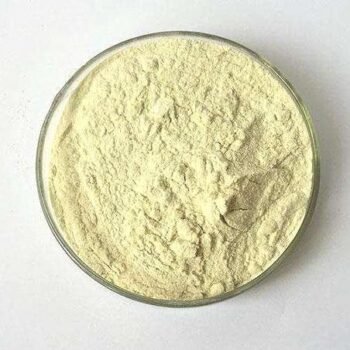
Chemical Name: o-Xylene
Synonyms: 1,2-Dimethylbenzene; ortho-xylene
CAS No.: 95-47-6
Molecular Formula: C8H10
Molecular Weight: 106.17
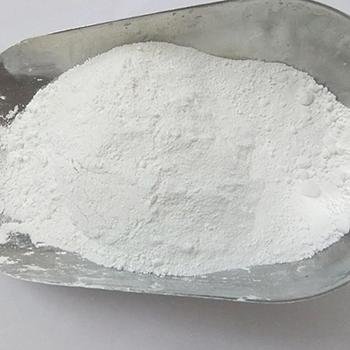
Product name:Cyclopentane
Purity:96%
Appearance:White powder
Package:25kg/bag
Sample:Available

N,N-Dimethylaniline is an organic compound with amine and methyl groups attached to a benzene ring. It is a colorless liquid with a characteristic amine odor. This compound is primarily used as a chemical intermediate in the synthesis of dyes, pigments, and polymers. Its reactivity makes it a valuable building block in the production of various organic compounds, particularly in the pharmaceutical and chemical industries.

Benzothiazoles are a class of chemical compounds characterized by a fused benzene and thiazole ring. They exhibit a broad spectrum of applications, particularly as antioxidants in rubber and plastic industries, enhancing product longevity and performance. Additionally, benzothiazoles serve as key intermediates in the synthesis of pharmaceuticals, contributing to the development of life-saving drugs. Recognized for their stability and reactivity, these compounds are integral to advancing material science and healthcare solutions.
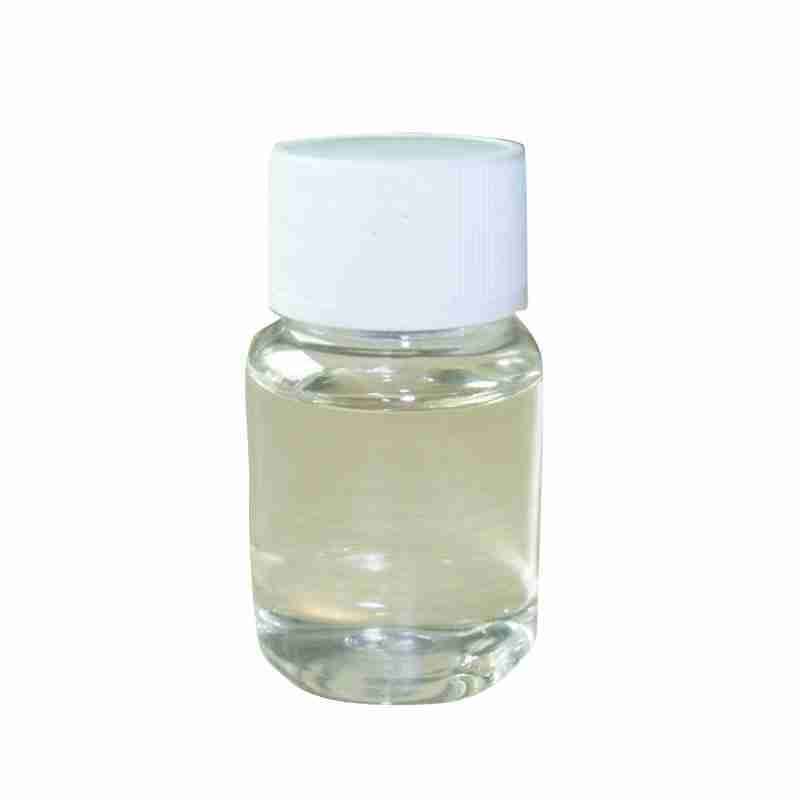
3,4-Ethylenedioxythiophene is a synthetic organic compound characterized by its unique structure that includes a thiophene ring with ethylenedioxy substituents at the 3 and 4 positions. This compound is known for its potential applications in the synthesis of various organic materials, including pharmaceuticals and organic electronic devices such as sensors and solar cells. Its stability and reactivity make it a versatile intermediate in the chemical industry.
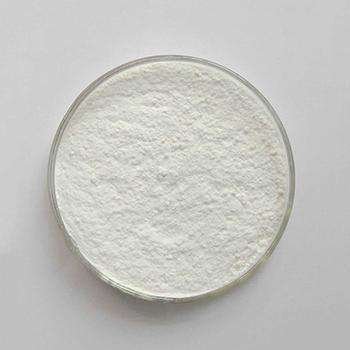
Chemical Name: Zinc citrate
Synonyms: Zinc citrate trihydrate
CAS No.: 546-46-3
Molecular Formula: C6H8O7Zn
Molecular Weight: 257.5
Appearance: White powder

Chemical Name: Arabic gum
CAS No.: 9000-01-5
Appearance: powder

Silicones are a family of synthetic polymers known for their versatility and stability. They are heat-resistant, non-toxic, and have excellent electrical insulation properties. Commonly used in various industries such as construction, automotive, aerospace, and personal care products, silicones offer a wide range of applications from sealants and adhesives to lubricants and medical devices. Their resistance to extreme temperatures and weathering makes them a preferred choice for many high-performance applications.
POLY(VINYL CHLORIDE-CO-ISOBUTYL VINYL ETHER) is a copolymer that combines the properties of vinyl chloride and isobutyl vinyl ether. This polymer offers a balance of rigidity and flexibility, along with enhanced chemical resistance and durability. It is commonly used in the production of films, coatings, and adhesives due to its excellent barrier properties against gases and moisture, making it ideal for packaging and construction applications.

Chemical Name: Ashwagandha Extract
Synonyms: Withania somnifera, ext.; Withania Somnefera Extract
CAS: 90147-43-6
Appearance: Brown

Ethylhexyl Palmitate is a skin-conditioning ester, derived from ethylhexanol and palmitic acid, that imparts moisturization and a smooth texture to cosmetic and personal care formulations. It is valued for its emollient properties, enhancing the sensory experience of skin care products.
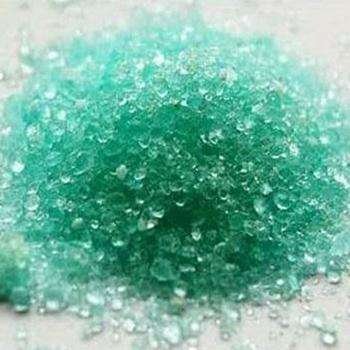
Chemical Name: Ammonium Iron(II) Sulfate
Synonyms: Diammonium iron bis(sulphate); iron (ii) ammonium sulfate
CAS No.: 10045-89-3
Molecular Formula: FeH5NO4S
Molecular Weight: 170.95


