
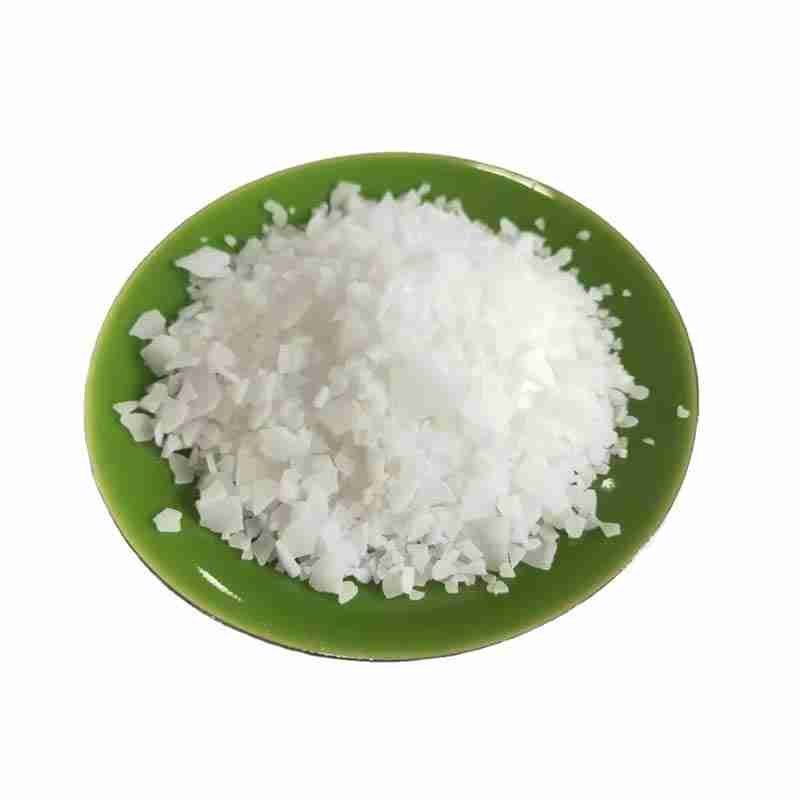
Ethylene Glycol Distearate CAS# 627-83-8

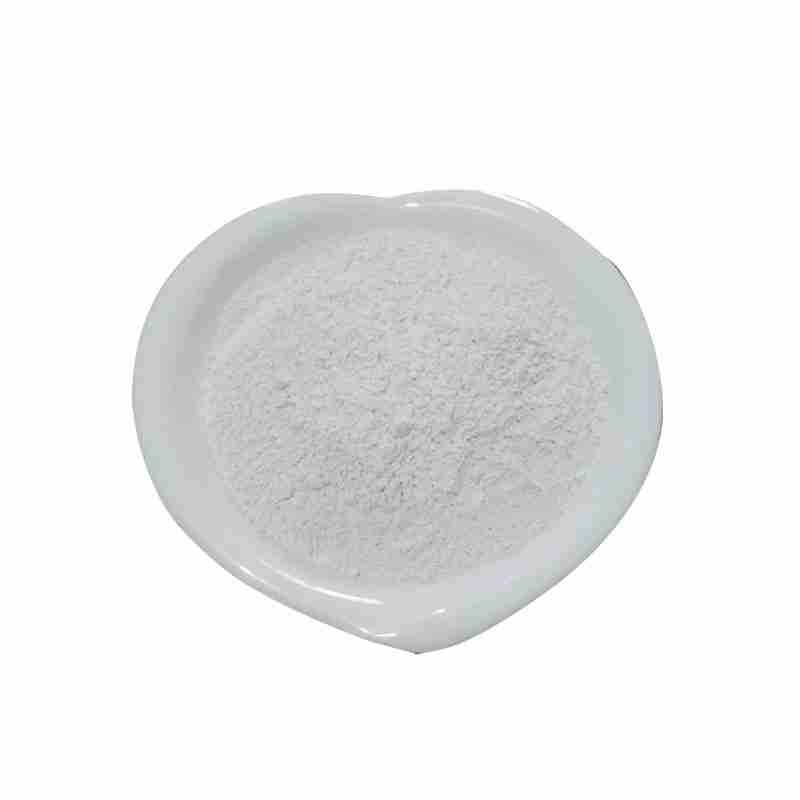
Glycol distearate, likewise known as ethylene glycol distearate, is a chemical commonly used as an aesthetic moisturizer. It is a diester of ethylene glycol and also stearic acid. Used as a pearlescent representative in cosmetics to create a pearlescent sheen, such as shower gels. It can additionally be utilized as a lipophilic emulsifier. Usually used in combination with ethylene glycol monostearate (EGMS, ethylene glycol stearate).
Ethylene glycol distearate is synthesized from ethylene glycol and stearate. The response temperature of the standard synthesis procedure is high, generally between (150 ?? 210 ?? C). In order to remove the water produced by the reaction, steps such as nitrogen circulation, minimized pressure or azeotropic dehydration are called for. Due to the high reaction temperature, serious carbonization and also deep color of the item, extra decolorization procedure is required. There are studies using p-toluenesulfonic acid as well as phosphorous acid (molar ratio 1:1) as a composite driver (hereinafter described as composite stimulant) for esterification, as well as the 3 factors of catalyst usage, reaction temperature level, and response time are experimentally researched. A brand-new synthesis procedure of ethylene glycol distearate was developed.
Ethylene Glycol Distearate CAS# 627-83-8
| ETHYLENE GLYCOL DISTEARATE Basic information |
| Product Name: | ETHYLENE GLYCOL DISTEARATE |
| Synonyms: | Alkamuls EGDS;Elfan L 310;Emerest 2355;Ethylene glycol dioctadecanoate;Ethylene glycol distearate VA;ETHYLENE GLYCOL DISTEARATE;ETHYLENE DISTEARATE;1,2-distearoyloxyethane |
| CAS: | 627-83-8 |
| MF: | C38H74O4 |
| MW: | 594.99 |
| EINECS: | 211-014-3 |
| Product Categories: | cosmetics additives;627-83-8 |
| Mol File: | 627-83-8.mol |
 |
|
| ETHYLENE GLYCOL DISTEARATE Chemical Properties |
| Melting point | 79??C |
| Boiling point | 567.52??C (rough estimate) |
| density | 0.8581 |
| refractive index | 1.4760 (estimate) |
| InChI | InChI=1S/C38H74O4/c1-3-5-7-9-11-13-15-17-19-21-23-25-27-29-31-33-37(39)41-35-36-42-38(40)34-32-30-28-26-24-22-20-18-16-14-12-10-8-6-4-2/h3-36H2,1-2H3 |
| InChIKey | FPVVYTCTZKCSOJ-UHFFFAOYSA-N |
| SMILES | C(OC(=O)CCCCCCCCCCCCCCCCC)COC(=O)CCCCCCCCCCCCCCCCC |
| LogP | 16.525 (est) |
| EPA Substance Registry System | Ethylene glycol distearate (627-83-8) |
| Safety Information |
| MSDS Information |
| ETHYLENE GLYCOL DISTEARATE Usage And Synthesis |
| Chemical Properties | Beads |
| Uses | Ethylene Glycol Distearate is used in the making of face wash and shampoo. |
| Uses | Ethylene glycol distearate is suggested for use as an opacifier, pearlescing agent and viscosity modifier in cosmetic formulations and household product formulations. |
| Definition | Pearlizing agents. |
| Flammability and Explosibility | Non flammable |
| Solubility in water | Ethylene?glycol?distearate? is?almost?insoluble?in?water,?soluble?in?alcohol,?acetone?and?ethyl?ether. |
| Purification Methods | Crystallise the ester from *benzene/MeOH, diethyl ether/MeOH or Me2CO and dry it in a vacuum desiccator. It forms an inclusion compound with 31 mols of urea. [McGreer et al. J Am Chem Soc 74 3541 1952, Beilstein 2 H 380, 2 II 354, 2 III 1021, 2 IV 1223.] |
Related Products
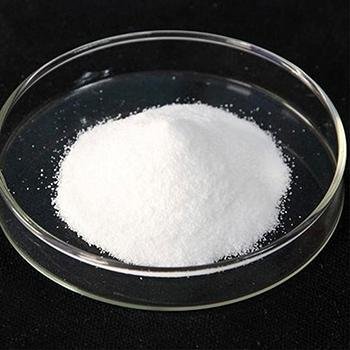
Chemical Name: UV-120
Other Name: (2’,4’-Di-tert-butylphenyl 3,5-di-tert-butyl-4-hydroxybenzoate)
CAS No.: 4221-80-1
Molecular Fomula: C29H42O3
Molecular weight: 438.66
Assay: ≥99%(LC)

Terpene resin is a type of natural resin derived from terpenes, which are organic compounds found in various plants. It is known for its aromatic properties and is commonly used in the production of fragrances, flavorings, and as a component in adhesives and coatings within the chemical industry. Terpene resin offers a range of benefits, including enhancing the solubility of essential oils and providing a stable base for various applications. Its natural origin makes it a preferred choice for eco-friendly products.
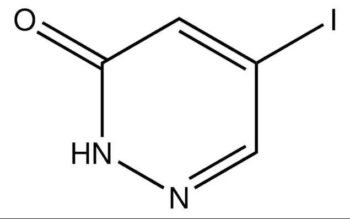
Common English name: 5-iodo-2,3-dihydropyridazin-3-one
CAS No.: 825633-94-1
Molecular formula: C4H3IN2O
Molecular weight: 221.98
Sample: Available

Chemical Name: Zinc citrate
Synonyms: Zinc citrate trihydrate
CAS No.: 546-46-3
Molecular Formula: C6H8O7Zn
Molecular Weight: 257.5
Appearance: White powder
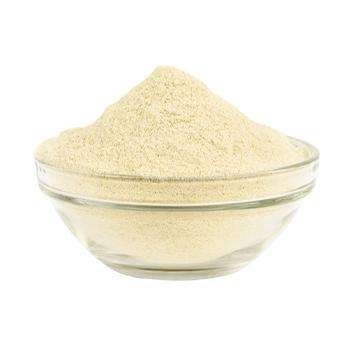
Chemical Name: Arabic gum
CAS No.: 9000-01-5
Appearance: powder
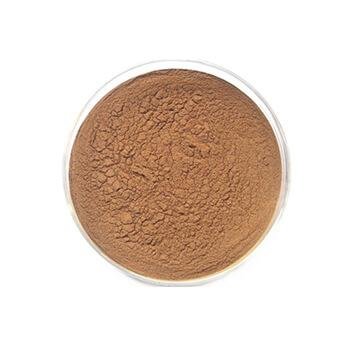
Chemical Name: Ashwagandha Extract
Synonyms: Withania somnifera, ext.; Withania Somnefera Extract
CAS: 90147-43-6
Appearance: Brown
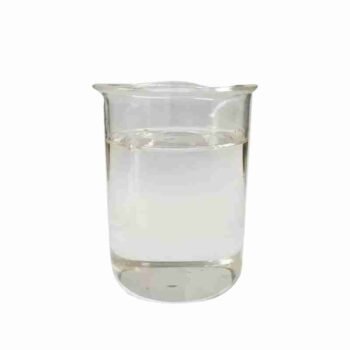
Silicone oil, known for its chemical designation as dimethicone or polydimethylsiloxane, is a synthetic polymer with a backbone of alternating silicon and oxygen atoms, creating a highly versatile and stable compound. It is renowned for its exceptional lubricating properties, heat resistance, and non-toxic nature, making it a staple in various industries, including cosmetics, automotive, and aerospace.
This hydrophobic, non-volatile oil is valued for its ability to provide a smooth, non-greasy feel and to form stable emulsions with other ingredients. In personal care products, silicone oil is used to impart a silky texture, reduce friction on the skin, and create a protective barrier against environmental stressors without clogging pores.
Silicone oil’s chemical inertness and resistance to oxidation contribute to its long shelf life and stability in formulations. It is also appreciated for its compatibility with a wide range of substances, allowing for the creation of multifunctional products.
In summary, silicone oil is a reliable and multifaceted ingredient, offering a combination of performance, safety, and sensory benefits. Its use in a variety of applications reflects its versatility and enduring appeal in the marketplace.
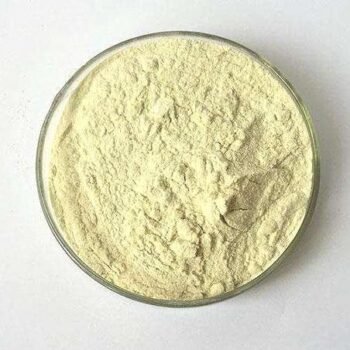
Chemical Name: o-Xylene
Synonyms: 1,2-Dimethylbenzene; ortho-xylene
CAS No.: 95-47-6
Molecular Formula: C8H10
Molecular Weight: 106.17
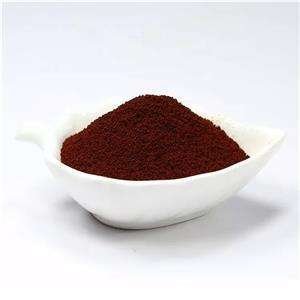
Chemical Name: Choline salicylate
CAS No.: 2016-36-6
Molecular Formula: C12H19NO4
Molecular Weight: 241.28
Appearance: Red-Brown Crystal

N,N-Dimethylaniline is an organic compound with amine and methyl groups attached to a benzene ring. It is a colorless liquid with a characteristic amine odor. This compound is primarily used as a chemical intermediate in the synthesis of dyes, pigments, and polymers. Its reactivity makes it a valuable building block in the production of various organic compounds, particularly in the pharmaceutical and chemical industries.

Ethylhexyl Palmitate is a skin-conditioning ester, derived from ethylhexanol and palmitic acid, that imparts moisturization and a smooth texture to cosmetic and personal care formulations. It is valued for its emollient properties, enhancing the sensory experience of skin care products.
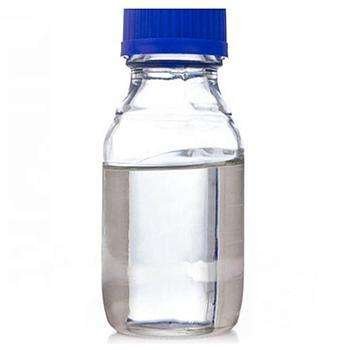
Chemical Name: STODDARD SOLVENT
CAS No.: 64742-88-7
Appearance: Colorless or Light Yellow Liquid


