

1,8-Diazabicyclo[5.4.0]undec-7-ene CAS# 6674-22-2 DBU
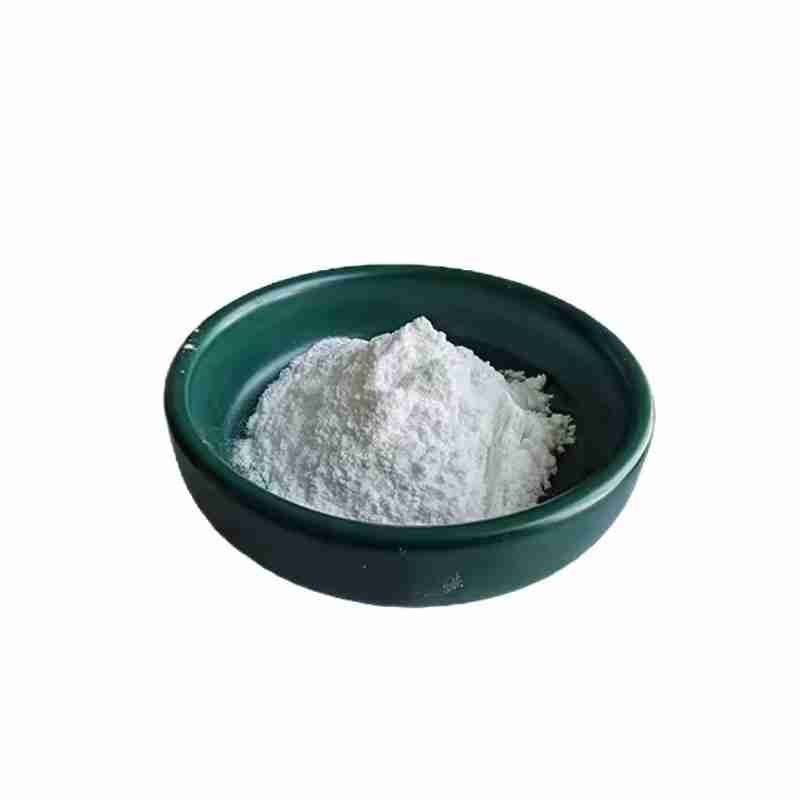
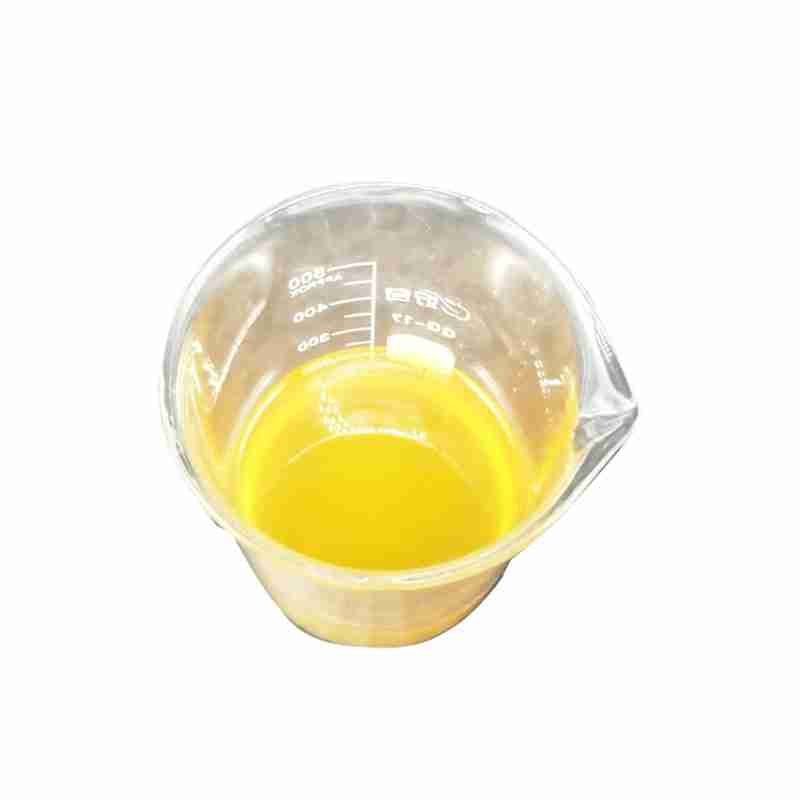
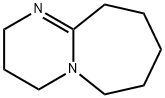
1,8-Diazabicyclo [5.4.0] undec-7-ene is a bicyclamidine base. In natural chemistry, it is a non nucleophilic, sterically impeded tertiary amine base. It is reported that it is superior to amine drivers in Baylis Hillman response and can advertise the methylation response of phenol, indole as well as benzimidazole with dimethyl carbonate under mild conditions.
1,8-Diazabicyclo [5.4.0] undecanon-7-ene, referred to as DBU, is a type of amidine with a dual heterocyclic framework. It is an anemic or light yellow liquid at space temperature level, as well as can be dissolved in water, ethanol, acetone as well as other natural solvents. It is normally saved listed below 30 ??.
1,8-Diazabicyclo[5.4.0]undec-7-ene CAS# 6674-22-2 DBU
| DBU Basic information |
| Product Name: | DBU |
| Synonyms: | 1,8-DIAZABICYCLO[5.4.0]UNDEC-7-ENE;1,8-DIAZABICYCLO[5.4.0]UNDEC-7-ENE (1,5-5);1,8-DIAZEBICYCLO[5.4.0]UNDEC-7-ENE;1,8-Diazabicyclo[5.4.0]undecane-7-ene;1,8-Diazabicyclo(5 x 4 x 0)undec-7-ene;Pyrimido[1,2-a]azep;1,8-Diazabicyclo[5.4.]undec-7-ene;1,8-Diazabicyclo[5.4.0]undec-7-ene, 98% 100GR |
| CAS: | 6674-22-2 |
| MF: | C9H16N2 |
| MW: | 152.24 |
| EINECS: | 229-713-7 |
| Product Categories: | pharmacetical;Pyridines;Other Reagents;Biochemistry;Reagents for Oligosaccharide Synthesis;Biochemics;pharmaceutical raw material;Organic intermediates;OLED materials,pharm chemical,electronic;A clear, light yellow liquid of relatively low volatility. It has only a slight ammonia-like odor, is miscible with water and is soluble in most organic solvents.;bc0001 |
| Mol File: | 6674-22-2.mol |
 |
|
| DBU Chemical Properties |
| Melting point | -70 ??C |
| Boiling point | 80-83???C0.6?mm Hg(lit.) |
| density | 1.019?g/mL?at 20???C(lit.) |
| vapor pressure | 5.3 mm Hg ( 37.7 ??C) |
| refractive index | n20/D?1.523 |
| Fp | >230???F |
| storage temp. | Store below +30??C. |
| solubility | soluble |
| form | Liquid |
| pka | 13.28??0.20(Predicted) |
| color | Clear colorless to light yellow |
| Odor | Unpleasant |
| PH Range | 12.8 at 10 g/l at 20 ??C |
| PH | 12.8 (10g/l, H2O, 20??) |
| explosive limit | 1.1-6.5%(V) |
| Water Solubility | soluble |
| Sensitive | Air Sensitive |
| BRN | 508906 |
| Stability: | Stable. Incompatible with strong oxidizing agents, acids, acid chlorides, acid anhydrides. |
| InChIKey | GQHTUMJGOHRCHB-UHFFFAOYSA-N |
| CAS DataBase Reference | 6674-22-2(CAS DataBase Reference) |
| NIST Chemistry Reference | 1,8-diazabicyclo [5.4.0]undec-7-ene(6674-22-2) |
| EPA Substance Registry System | Pyrimido[1,2-a]azepine, 2,3,4,6,7,8,9,10-octahydro- (6674-22-2) |
Related Products
Chemical Name: Zinc citrate
Synonyms: Zinc citrate trihydrate
CAS No.: 546-46-3
Molecular Formula: C6H8O7Zn
Molecular Weight: 257.5
Appearance: White powder


Octocrylene is an organic compound widely recognized for its potent UV-filtering properties, making it an essential ingredient in sunscreens and other skincare products designed to protect the skin from harmful ultraviolet radiation. With the chemical name 2-(4-Methylbenzyl)-2H-benzotriazole-5-methyl, octocrylene is a stable and photostable molecule that provides broad-spectrum protection against both UVA and UVB rays.
This oil-soluble chemical is valued for its ability to absorb UV radiation effectively, converting it into heat without causing skin irritation or staining clothes. Octocrylene is often used in combination with other UV filters to enhance the sun protection factor (SPF) of formulations, ensuring a balanced and comprehensive defense against sun damage.
As a lipophilic compound, octocrylene is compatible with various cosmetic and dermatological formulations, contributing to the development of lightweight, non-greasy sunscreens. Its chemical structure allows for a high degree of safety and efficacy, making it suitable for a wide range of skin types, including sensitive skin.
In summary, octocrylene is a reliable and efficient UV filter, pivotal in the formulation of modern sunscreens that offer advanced protection against the sun’s harmful effects while maintaining skin comfort and product aesthetics.
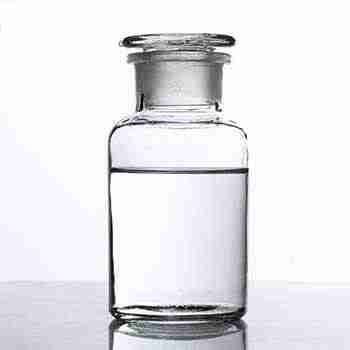
1-Octanol, also known as Capryl alcohol or n-Octanol, is a clear, colorless liquid with a characteristic waxy odor. It is an alcohol with eight carbon atoms in its chain, making it a part of the aliphatic alcohol family. This compound is poorly soluble in water but is miscible with ethanol, diethyl ether, and chloroform . It has a melting point of approximately -15??C and a boiling point of around 196??C . 1-Octanol is used in the production of esters, plasticizers, and as a solvent or intermediate in the synthesis of various organic compounds. It also finds application in the fragrance industry as a fixative in perfumes and can be used in the formulation of flavor and scent compositions . It is important to note that 1-Octanol is flammable and should be handled with care, storing it away from sources of ignition and heat .
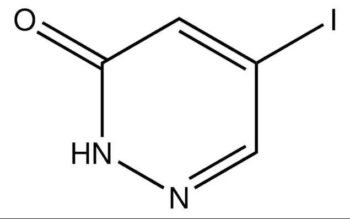
Common English name: 5-iodo-2,3-dihydropyridazin-3-one
CAS No.: 825633-94-1
Molecular formula: C4H3IN2O
Molecular weight: 221.98
Sample: Available

Terpene resin is a type of natural resin derived from terpenes, which are organic compounds found in various plants. It is known for its aromatic properties and is commonly used in the production of fragrances, flavorings, and as a component in adhesives and coatings within the chemical industry. Terpene resin offers a range of benefits, including enhancing the solubility of essential oils and providing a stable base for various applications. Its natural origin makes it a preferred choice for eco-friendly products.
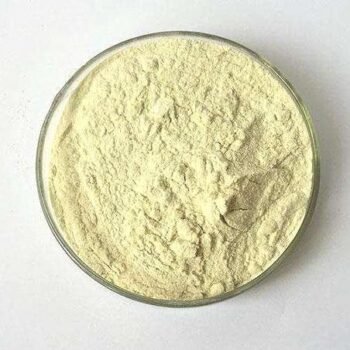
Chemical Name: o-Xylene
Synonyms: 1,2-Dimethylbenzene; ortho-xylene
CAS No.: 95-47-6
Molecular Formula: C8H10
Molecular Weight: 106.17
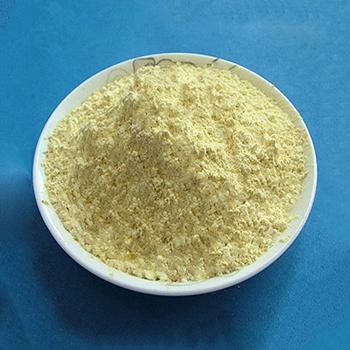
Product name:HYDROXYPROPYL GUAR HYDROXYPROPYLTRIMONIUM CHLORIDE
Purity:99%
Appearance:Light Yellow Powder
Package:Customized according to customer needs.
Sample:Available
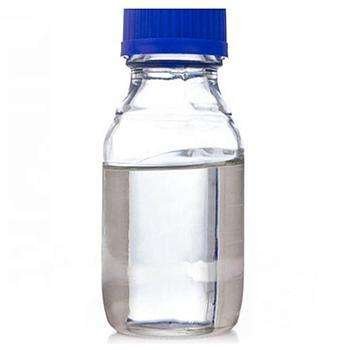
Chemical Name: STODDARD SOLVENT
CAS No.: 64742-88-7
Appearance: Colorless or Light Yellow Liquid

Butylated Hydroxytoluene (BHT) is a synthetic phenolic antioxidant commonly added to foods, cosmetics, and packaging to prevent the oxidation of fats and oils, thereby extending their shelf life. It is also used as a preservative in a variety of products, including rubber, petroleum products, and animal feed. BHT is recognized for its effectiveness in maintaining nutrient levels, color, flavor, and odor in food products . It is known to have a melting point of 69-71??C, a boiling point of 265??C, and is soluble in ethanol, acetone, and benzene, but not in water, glycerin, or propylene glycol . BHT is also used in some dietary supplements due to its antioxidant properties . However, it is important to handle BHT with care, as it can cause skin irritation and is considered harmful if swallowed .
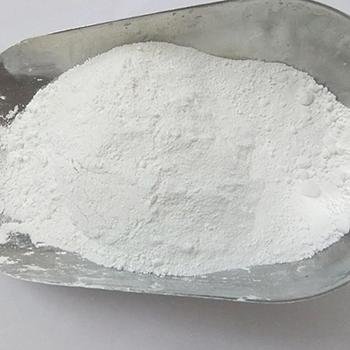
Product name:Cyclopentane
Purity:96%
Appearance:White powder
Package:25kg/bag
Sample:Available
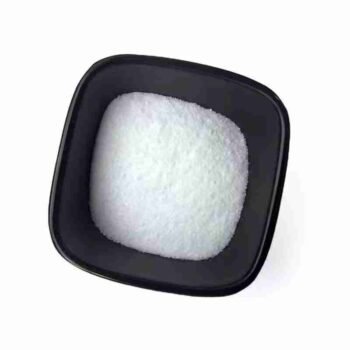
POLY(VINYL CHLORIDE-CO-ISOBUTYL VINYL ETHER) is a copolymer that combines the properties of vinyl chloride and isobutyl vinyl ether. This polymer offers a balance of rigidity and flexibility, along with enhanced chemical resistance and durability. It is commonly used in the production of films, coatings, and adhesives due to its excellent barrier properties against gases and moisture, making it ideal for packaging and construction applications.
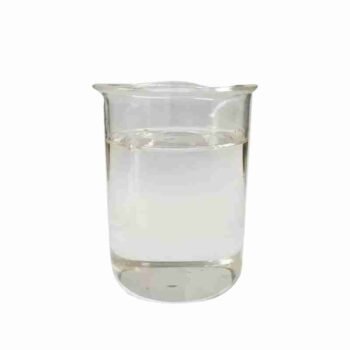
Silicones are a family of synthetic polymers known for their versatility and stability. They are heat-resistant, non-toxic, and have excellent electrical insulation properties. Commonly used in various industries such as construction, automotive, aerospace, and personal care products, silicones offer a wide range of applications from sealants and adhesives to lubricants and medical devices. Their resistance to extreme temperatures and weathering makes them a preferred choice for many high-performance applications.


