
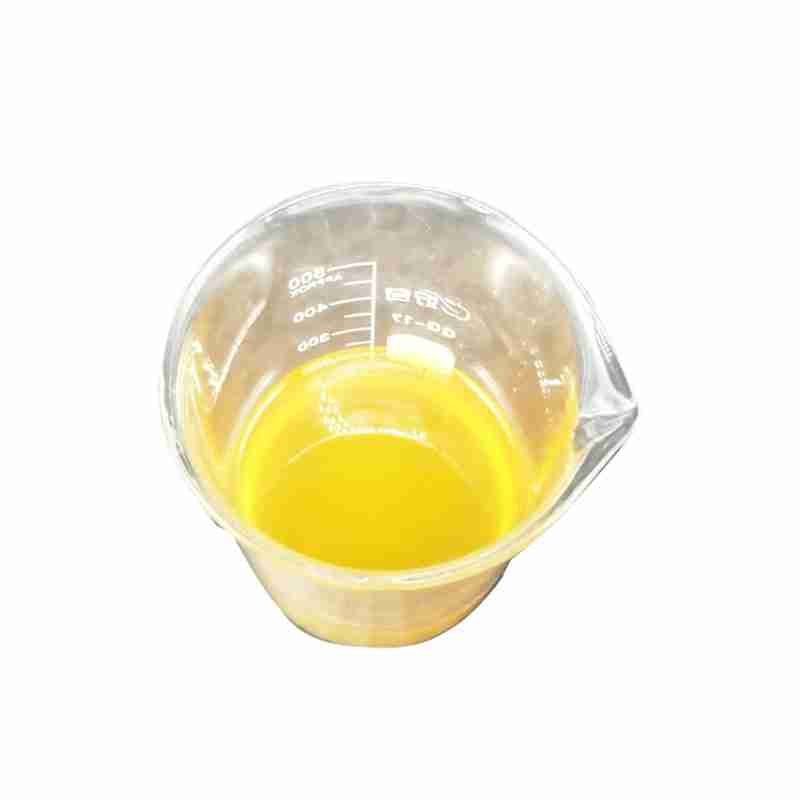
Phytic acid CAS# 83-86-3


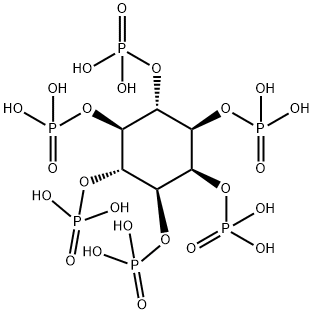
In plants, natural phytic acid (phyti cacid) hardly exists in free form, but in the form of phytate. This is the brilliance of plants ?C phytic acid uses six phosphate groups in its molecule to store phosphorus. Preserve all kinds of nutrients in it, and release them as nutrients for sprouts after germination and activation in the next year.
Therefore, when it comes to phytic acid in plants, it generally refers not only to free phytic acid itself, but also to phytate. These phytates are compound salts (with several metal ions) or single salts (with one metal ion) formed by combining phytic acid with calcium, magnesium, potassium, sodium, iron and other metal ions. It is mainly in the form of calcium magnesium double salt, that is, calcium magnesium phytate, commonly known as phytin.
Phytic acid CAS# 83-86-3
| Phytic acid Basic information |
| General Information?Preparation and Analysis?Nutrition?Applications?Reference |
| Product Name: | Phytic acid |
| Synonyms: | sauredesphytins;Inositol hexaphosphoric acid, 40-50 wt% aqueous solution;Phytic acid??Inositol hexaphosphoric acid;inocitol hexaphosphate;(2,3,4,5,6-Pentaphosphonooxycyclohexyl) dihydrogen phosphate;Alkalovert;Inositol hexaphosphoric acid, 40-50% aqueous solution;(ca. 50% in Water, ca. 1.1Mol/L) |
| CAS: | 83-86-3 |
| MF: | C6H18O24P6 |
| MW: | 660.04 |
| EINECS: | 201-506-6 |
| Product Categories: | Chelating Agents & Ligands;Intermediates & Fine Chemicals;Pharmaceuticals;Phosphorylating and Phosphitylating Agents;Building Blocks;Chemical Synthesis;Organic Building Blocks;Organic Phosphates/Phosphites;Phosphorus Compounds;Vitamin Ingredients;Organics;Analytical Chemistry;Ligands for Pharmaceutical Research;Radiopharmaceutical Chemistry (Chelating Reagents);Inhibitors;Miscellaneous;Nutritional Supplements;Dextrins??Sugar & Carbohydrates;chemical reagent;pharmaceutical intermediate;phytochemical;reference standards from Chinese medicinal herbs (TCM).;standardized herbal extract;bc0001;83-86-3 |
| Mol File: | 83-86-3.mol |
 |
|
| Phytic acid Chemical Properties |
| Melting point | <25?? |
| Boiling point | 105???C |
| density | 1.432?g/mL?at 25???C |
| vapor pressure | 0.039Pa at 60?? |
| refractive index | n20/D?1.4 |
| storage temp. | 2-8??C |
| solubility | Acetone (Slightly), Methanol (Slightly), Water (Soluble) |
| form | Colourless to Light Brown Solution |
| pka | 1.13??0.10(Predicted) |
| color | Colorless to light yellow |
| Specific Gravity | 1.282 |
| Odor | odorless |
| Water Solubility | MISCIBLE |
| Merck | 14,7387 |
| BRN | 2201952 |
| Stability: | Stable. Incompatible with strong oxidizing agents. |
| InChIKey | IMQLKJBTEOYOSI-GPIVLXJGSA-N |
| CAS DataBase Reference | 83-86-3(CAS DataBase Reference) |
| EPA Substance Registry System | myo-Inositol, hexakis(dihydrogen phosphate) (83-86-3) |
| Safety Information |
| Hazard Codes | Xi,C |
| Risk Statements | 36/37/38-35 |
| Safety Statements | 26-36-37/39-45-36/37/39 |
| RIDADR | 1760 |
| WGK Germany | – |
| RTECS | NM7525000 |
| HazardClass | 8 |
| PackingGroup | III |
| HS Code | 29199000 |
| Toxicity | LD50 intravenous in mouse: 500mg/kg |
Related Products

Succinimide is a heterocyclic organic compound and an important industrial chemical. It serves as a key intermediate in the synthesis of various pharmaceuticals, agrochemicals, and other specialty chemicals. Known for its reactivity and versatility, succinimide is widely used in the production of succinic anhydride, a precursor to many polymers and plasticizers, highlighting its significance in the chemical industry.

N,N-Dimethylaniline is an organic compound with amine and methyl groups attached to a benzene ring. It is a colorless liquid with a characteristic amine odor. This compound is primarily used as a chemical intermediate in the synthesis of dyes, pigments, and polymers. Its reactivity makes it a valuable building block in the production of various organic compounds, particularly in the pharmaceutical and chemical industries.

Chemical Name: Dehydrocholic acid
Synonyms: Acide dehydrocholique; Triketocholanic acid
CAS No.: 81-23-2
Molecular Formula: C24H34O5
Molecular Weight: 402.53
Appearance: Powder

Chemical Name: STODDARD SOLVENT
CAS No.: 64742-88-7
Appearance: Colorless or Light Yellow Liquid

Chemical Name: o-Xylene
Synonyms: 1,2-Dimethylbenzene; ortho-xylene
CAS No.: 95-47-6
Molecular Formula: C8H10
Molecular Weight: 106.17

Terpene resin is a type of natural resin derived from terpenes, which are organic compounds found in various plants. It is known for its aromatic properties and is commonly used in the production of fragrances, flavorings, and as a component in adhesives and coatings within the chemical industry. Terpene resin offers a range of benefits, including enhancing the solubility of essential oils and providing a stable base for various applications. Its natural origin makes it a preferred choice for eco-friendly products.
Chemical Name: Choline salicylate
CAS No.: 2016-36-6
Molecular Formula: C12H19NO4
Molecular Weight: 241.28
Appearance: Red-Brown Crystal

Chemical Name: Ashwagandha Extract
Synonyms: Withania somnifera, ext.; Withania Somnefera Extract
CAS: 90147-43-6
Appearance: Brown

Ethylhexyl Palmitate is a skin-conditioning ester, derived from ethylhexanol and palmitic acid, that imparts moisturization and a smooth texture to cosmetic and personal care formulations. It is valued for its emollient properties, enhancing the sensory experience of skin care products.
1-Octanol, also known as Capryl alcohol or n-Octanol, is a clear, colorless liquid with a characteristic waxy odor. It is an alcohol with eight carbon atoms in its chain, making it a part of the aliphatic alcohol family. This compound is poorly soluble in water but is miscible with ethanol, diethyl ether, and chloroform . It has a melting point of approximately -15??C and a boiling point of around 196??C . 1-Octanol is used in the production of esters, plasticizers, and as a solvent or intermediate in the synthesis of various organic compounds. It also finds application in the fragrance industry as a fixative in perfumes and can be used in the formulation of flavor and scent compositions . It is important to note that 1-Octanol is flammable and should be handled with care, storing it away from sources of ignition and heat .

Chemical Name: 3-Hydroxybutyric acid
CAS No.: 625-71-8
Molecular Formula: C4H8O3
Molecular Weight: 104.1
Appearance: White powder

Butylated Hydroxytoluene (BHT) is a synthetic phenolic antioxidant commonly added to foods, cosmetics, and packaging to prevent the oxidation of fats and oils, thereby extending their shelf life. It is also used as a preservative in a variety of products, including rubber, petroleum products, and animal feed. BHT is recognized for its effectiveness in maintaining nutrient levels, color, flavor, and odor in food products . It is known to have a melting point of 69-71??C, a boiling point of 265??C, and is soluble in ethanol, acetone, and benzene, but not in water, glycerin, or propylene glycol . BHT is also used in some dietary supplements due to its antioxidant properties . However, it is important to handle BHT with care, as it can cause skin irritation and is considered harmful if swallowed .


