

Mesitylene CAS#108-67-8


Mesitylene is an aromatic hydrocarbon belonging to the xylene isomers. It is a clear, water-white liquid with a strong aromatic odor. Mesitylene has a relatively high boiling point of approximately 144.5 ??C and is poorly soluble in water. It is commonly used as a solvent in various industrial applications, including the production of chemicals, pharmaceuticals, and as a component in gasoline. Due to its chemical stability and low reactivity, it is also utilized in the synthesis of dyes and as a dehydrating agent for organic compounds. Mesitylene’s chemical properties make it a versatile and valuable component in the chemical industry.
Mesitylene CAS#108-67-8
| Mesitylene Chemical Properties |
| Melting point | -45 ??C |
| Boiling point | 163-166???C(lit.) |
| density | 0.864 g/mL at 25 ??C(lit.) |
| vapor density | 4.1 (vs air) |
| vapor pressure | 14 mm Hg ( 55 ??C) |
| refractive index | n20/D?1.499(lit.) |
| Fp | 112???F |
| storage temp. | 2-8??C |
| solubility | Miscible with alcohol, benzene, ether (Windholz et al., 1983), and trimethylbenzene isomers. |
| form | Liquid |
| pka | >14 (Schwarzenbach et al., 1993) |
| color | Clear colorless |
| explosive limit | 0.88-6.1%, 100??F |
| Odor Threshold | 0.17ppm |
| Water Solubility | 2.9 g/L (20 oC) |
| Merck | 14,5907 |
| BRN | 906806 |
| Henry’s Law Constant | 4.03, 4.60, 5.71, 6.73, and 9.63 at 10, 15, 20, 25, and 30 ??C, respectively (EPICS, Ashworth et al.,1988) |
| Exposure limits | NIOSH REL: TWA 25 ppm (125 mg/m3); ACGIH TLV: TWA for mixed isomers 25 ppm (adopted). |
| Dielectric constant | 3.4??Ambient?? |
| Stability: | Stable. Combustible. Incompatible with strong oxidizing agents. |
| InChIKey | AUHZEENZYGFFBQ-UHFFFAOYSA-N |
| LogP | 3.42 at 20?? |
| CAS DataBase Reference | 108-67-8(CAS DataBase Reference) |
| NIST Chemistry Reference | Benzene, 1,3,5-trimethyl-(108-67-8) |
| EPA Substance Registry System | 1,3,5-Trimethylbenzene (108-67-8) |
| Safety Information |
| Hazard Codes | Xi,N,F,T |
| Risk Statements | 10-37-51/53-39/23/24/25-23/24/25-11-37/38 |
| Safety Statements | 61-45-36/37-16-7 |
| RIDADR | UN 2325 3/PG 3 |
| OEB | A |
| OEL | TWA: 25 ppm (125 mg/m3) |
| WGK Germany | 2 |
| RTECS | OX6825000 |
| F | 10 |
| Autoignition Temperature | 1022 ??F |
| Hazard Note | Irritant/Flammable |
| TSCA | Yes |
| HazardClass | 3 |
| PackingGroup | III |
| HS Code | 29029080 |
| Hazardous Substances Data | 108-67-8(Hazardous Substances Data) |
| Toxicity | LD50 (inhalation) for rats 24 g/m3/4-h (quoted, RTECS, 1985). |
Related Products

Chemical Name: 1,1,2,2-Tetrachloroethane
Other Name: Tetrachlorethane
CAS No.: 79-34-5
Molecular Formula: C2H2Cl4
Molecular Weight: 167.85
Appearance: Liquid
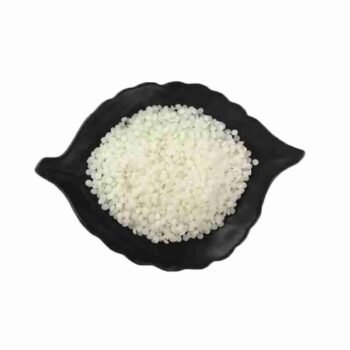
Tetraacetylethylenediamine is a fully acetylated derivative of ethylenediamine, offering a high reactivity as an intermediate in organic synthesis. Its unique structure makes it a critical component in the production of specialty chemicals and pharmaceuticals, ensuring a wide range of applications in the chemical industry.

Chemical Name: UV-120
Other Name: (2’,4’-Di-tert-butylphenyl 3,5-di-tert-butyl-4-hydroxybenzoate)
CAS No.: 4221-80-1
Molecular Fomula: C29H42O3
Molecular weight: 438.66
Assay: ≥99%(LC)

Common English name: 5-iodo-2,3-dihydropyridazin-3-one
CAS No.: 825633-94-1
Molecular formula: C4H3IN2O
Molecular weight: 221.98
Sample: Available

Succinimide is a heterocyclic organic compound and an important industrial chemical. It serves as a key intermediate in the synthesis of various pharmaceuticals, agrochemicals, and other specialty chemicals. Known for its reactivity and versatility, succinimide is widely used in the production of succinic anhydride, a precursor to many polymers and plasticizers, highlighting its significance in the chemical industry.
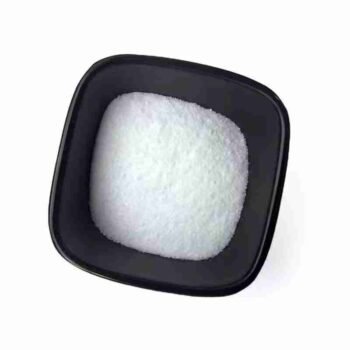
POLY(VINYL CHLORIDE-CO-ISOBUTYL VINYL ETHER) is a copolymer that combines the properties of vinyl chloride and isobutyl vinyl ether. This polymer offers a balance of rigidity and flexibility, along with enhanced chemical resistance and durability. It is commonly used in the production of films, coatings, and adhesives due to its excellent barrier properties against gases and moisture, making it ideal for packaging and construction applications.

Chemical Name: STODDARD SOLVENT
CAS No.: 64742-88-7
Appearance: Colorless or Light Yellow Liquid
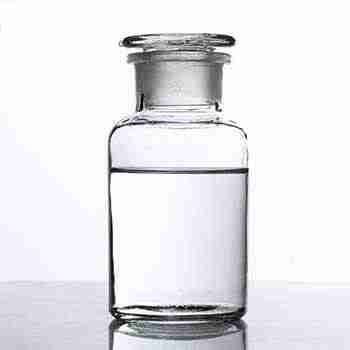
1-Octanol, also known as Capryl alcohol or n-Octanol, is a clear, colorless liquid with a characteristic waxy odor. It is an alcohol with eight carbon atoms in its chain, making it a part of the aliphatic alcohol family. This compound is poorly soluble in water but is miscible with ethanol, diethyl ether, and chloroform . It has a melting point of approximately -15??C and a boiling point of around 196??C . 1-Octanol is used in the production of esters, plasticizers, and as a solvent or intermediate in the synthesis of various organic compounds. It also finds application in the fragrance industry as a fixative in perfumes and can be used in the formulation of flavor and scent compositions . It is important to note that 1-Octanol is flammable and should be handled with care, storing it away from sources of ignition and heat .
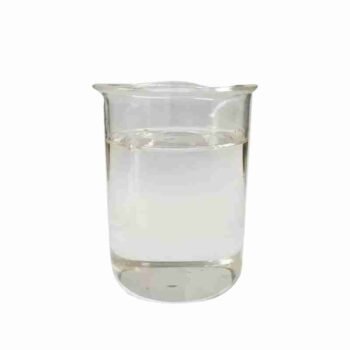
Silicones are a family of synthetic polymers known for their versatility and stability. They are heat-resistant, non-toxic, and have excellent electrical insulation properties. Commonly used in various industries such as construction, automotive, aerospace, and personal care products, silicones offer a wide range of applications from sealants and adhesives to lubricants and medical devices. Their resistance to extreme temperatures and weathering makes them a preferred choice for many high-performance applications.

Product name:Cyclopentane
Purity:96%
Appearance:White powder
Package:25kg/bag
Sample:Available

Chemical Name: Potassium Castorate
CAS No.: 8013-05-6
Molecular Formula: C57H107K3O12
Molecular Weight: 1101.74718
Appearance: Yellow Liquid

Chemical Name: 3-Hydroxybutyric acid
CAS No.: 625-71-8
Molecular Formula: C4H8O3
Molecular Weight: 104.1
Appearance: White powder


