

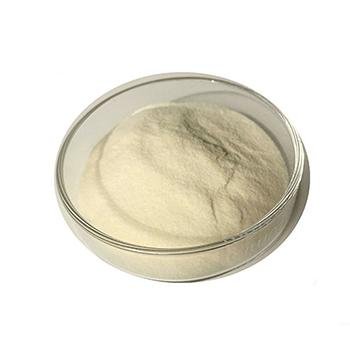
Borneol CAS# 507-70-0

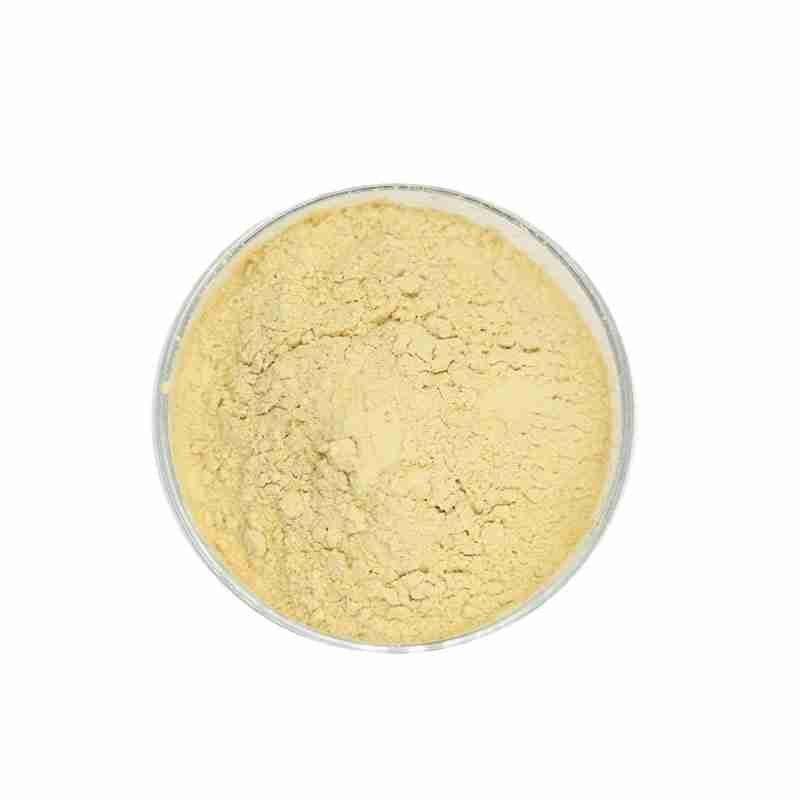
Borneol, other names: dipterocarp, brain, pellets, plum blossom brain, natural borneol, old plum slices, plum slices. Main ingredients: This product is a crystal obtained from the resin and volatile oil of dipterocarps. It is almost pure dextrorotary borneol. The resin and volatile oil of Dipterocarps contain a variety of terpenes. In addition to borneol, it also contains sesquiterpenes such as humulene, ??-elemene, and caryophyllene, as well as oleanolic acid, malic acid, asiatic acid, borneol ketone, borneol diol ketone, and archaic acid. Triterpene compounds such as codiol.
Borneol CAS# 507-70-0
| Borneol Basic information |
| Description?References |
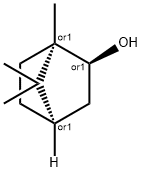
| Product Name: | Borneol |
| Synonyms: | (1R,2S,4R)-rel-1,7,7-TriMethylbicyclo[2.2.1]heptan-2-ol;Endo-1,7,7-trimethyl-bicyclo[2.2.1]heptan-2-ol 2-Camphanol;1,7,7-Trimethyl-bicyclo(2.2.1)heptan-2-ol, endo-;1,7,7-trimethyl-endo-Bicyclo[2.2.1]heptan-2-ol;2-Bornanol, endo-;L-BORNEO CAMPHOR;L-BORNYL ALCOHOL;L-2-HYDROXYBORNANE |
| CAS: | 507-70-0 |
| MF: | C10H18O |
| MW: | 154.25 |
| EINECS: | 208-080-0 |
| Product Categories: | standardized herbal extract;Inhibitors;Monoterpenoids;Biochemistry;Terpenes;Alcohols;C9 to C30;Oxygen Compounds;Bicyclic Monoterpenes;chemical reagent;pharmaceutical intermediate;phytochemical;reference standards from Chinese medicinal herbs (TCM).;Pharmaceutical;Intermediate |
| Mol File: | 507-70-0.mol |
 |
|
| Borneol Chemical Properties |
| Melting point | 206-209???C |
| Boiling point | 210???C(lit.) |
| alpha | -0.5??+0.5?b(20??/D)(c=5,C2H5OH) |
| density | 1.011 |
| vapor density | 5.31 (vs air) |
| vapor pressure | 33.5 mm Hg ( 25 ??C) |
| refractive index | 1.4831 (estimate) |
| FEMA | 2157 | BORNEOL |
| Fp | 150???F |
| solubility | DMSO:30.0(Max Conc. mg/mL);194.49(Max Conc. mM) Ethanol:30.0(Max Conc. mg/mL);194.49(Max Conc. mM) |
| form | powder to crystal |
| pka | 15.36??0.60(Predicted) |
| color | White to Almost white |
| Odor | at 10.00 % in dipropylene glycol. pine woody camphor balsamic |
| Odor Type | balsamic |
| Water Solubility | insoluble |
| JECFA Number | 1385 |
| Merck | 14,1338 |
| Stability: | Stable. Highly flammable. Incompatible with strong oxidizing agents. |
| InChIKey | DTGKSKDOIYIVQL-WEDXCCLWSA-N |
| LogP | 3.6 at 20?? |
| CAS DataBase Reference | 507-70-0(CAS DataBase Reference) |
| NIST Chemistry Reference | Borneol(507-70-0) |
| EPA Substance Registry System | Borneol (507-70-0) |
Related Products
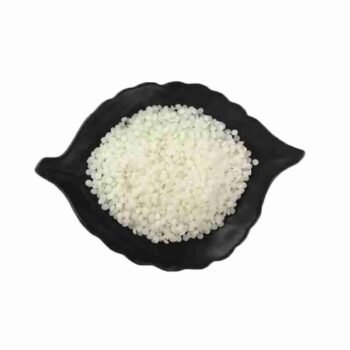
Tetraacetylethylenediamine is a fully acetylated derivative of ethylenediamine, offering a high reactivity as an intermediate in organic synthesis. Its unique structure makes it a critical component in the production of specialty chemicals and pharmaceuticals, ensuring a wide range of applications in the chemical industry.

Ethylhexyl Palmitate is a skin-conditioning ester, derived from ethylhexanol and palmitic acid, that imparts moisturization and a smooth texture to cosmetic and personal care formulations. It is valued for its emollient properties, enhancing the sensory experience of skin care products.
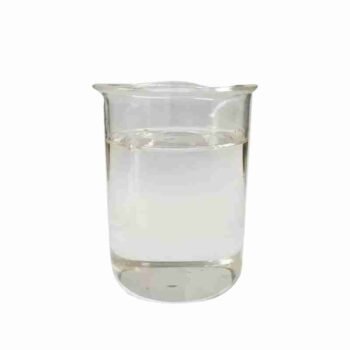
Silicone oil, known for its chemical designation as dimethicone or polydimethylsiloxane, is a synthetic polymer with a backbone of alternating silicon and oxygen atoms, creating a highly versatile and stable compound. It is renowned for its exceptional lubricating properties, heat resistance, and non-toxic nature, making it a staple in various industries, including cosmetics, automotive, and aerospace.
This hydrophobic, non-volatile oil is valued for its ability to provide a smooth, non-greasy feel and to form stable emulsions with other ingredients. In personal care products, silicone oil is used to impart a silky texture, reduce friction on the skin, and create a protective barrier against environmental stressors without clogging pores.
Silicone oil’s chemical inertness and resistance to oxidation contribute to its long shelf life and stability in formulations. It is also appreciated for its compatibility with a wide range of substances, allowing for the creation of multifunctional products.
In summary, silicone oil is a reliable and multifaceted ingredient, offering a combination of performance, safety, and sensory benefits. Its use in a variety of applications reflects its versatility and enduring appeal in the marketplace.

Chemical Name: 1,1,2,2-Tetrachloroethane
Other Name: Tetrachlorethane
CAS No.: 79-34-5
Molecular Formula: C2H2Cl4
Molecular Weight: 167.85
Appearance: Liquid
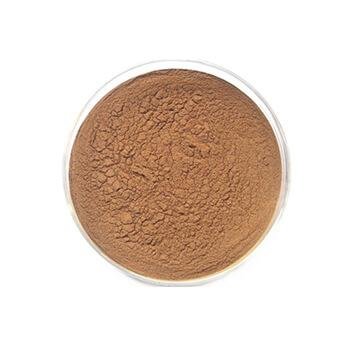
Chemical Name: Ashwagandha Extract
Synonyms: Withania somnifera, ext.; Withania Somnefera Extract
CAS: 90147-43-6
Appearance: Brown
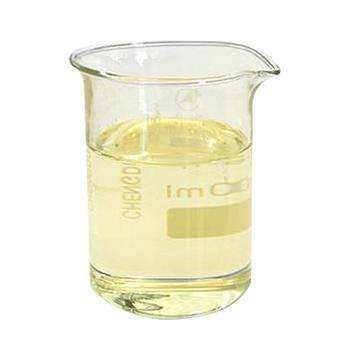
Chemical Name: Potassium Castorate
CAS No.: 8013-05-6
Molecular Formula: C57H107K3O12
Molecular Weight: 1101.74718
Appearance: Yellow Liquid

Benzothiazoles are a class of chemical compounds characterized by a fused benzene and thiazole ring. They exhibit a broad spectrum of applications, particularly as antioxidants in rubber and plastic industries, enhancing product longevity and performance. Additionally, benzothiazoles serve as key intermediates in the synthesis of pharmaceuticals, contributing to the development of life-saving drugs. Recognized for their stability and reactivity, these compounds are integral to advancing material science and healthcare solutions.

Polyhexamethylene guanidine hydrochloride, often abbreviated as PHMG-HCl, is a high molecular weight polymeric biguanide compound known for its potent antimicrobial properties. With a chemical structure that features a long chain of methylene groups bridged by guanidine units, PHMG-HCl is effective against a broad spectrum of microorganisms, including bacteria, viruses, and fungi.
This hydrochloride salt form of PHMG is highly soluble in water and is commonly used in various applications due to its non-irritant and non-toxic nature to human skin and mucous membranes. It is widely recognized for its ability to form a colorless and odorless solution, making it an ideal choice for use in personal care products, medical disinfectants, and water treatment processes.
The versatility of PHMG-HCl lies in its cationic nature, which allows it to bind to negatively charged microbial cell walls, disrupting their integrity and leading to cell death. This mechanism of action contributes to its effectiveness as a preservative and disinfectant. Moreover, its substantivity, or the ability to adhere to surfaces, enhances its long-lasting antimicrobial activity.
In summary, Polyhexamethylene guanidine hydrochloride is a reliable and efficient antimicrobial agent, pivotal in industries where hygiene and cleanliness are paramount, offering a safe and sustainable solution for microbial control.

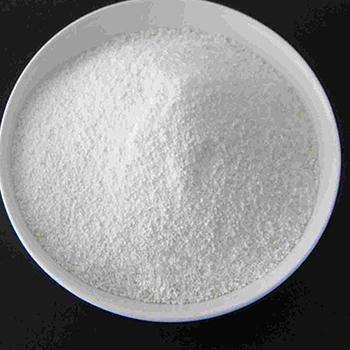
Chemical Name: Zinc citrate
Synonyms: Zinc citrate trihydrate
CAS No.: 546-46-3
Molecular Formula: C6H8O7Zn
Molecular Weight: 257.5
Appearance: White powder
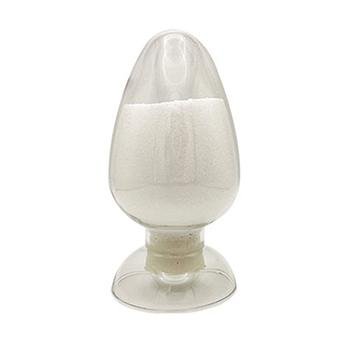
Chemical Name: Dehydrocholic acid
Synonyms: Acide dehydrocholique; Triketocholanic acid
CAS No.: 81-23-2
Molecular Formula: C24H34O5
Molecular Weight: 402.53
Appearance: Powder
Chemical Name: Imazalil Sulfate
CAS No.: 58594-72-2
Molecular Formula: C14H14Cl2N2O.H2SO4
Molecular Weight: 395.26
Appearance: Solid
Chemical Name: Quercetin-3-O-sophoroside
CAS No.: 18609-17-1
Molecular Formula: C27H30O17
Molecular Weight: 626.52


