

LAURIC ACID MONOETHANOLAMIDE CAS#142-78-9


Lauric Acid Monoethanolamide is a chemical compound derived from lauric acid, a saturated fatty acid found in coconut oil and palm kernel oil. It is commonly used as an emulsifier and surfactant in various industrial applications, including the production of personal care products, detergents, and lubricants. This compound enhances the stability and texture of formulations, making it an essential ingredient for creating smooth, homogenous mixtures. Its properties contribute to improved product performance and consumer satisfaction.
| LAURIC ACID MONOETHANOLAMIDE Chemical Properties |
| Melting point | 88-89?? |
| Boiling point | 410.7??28.0 ??C(Predicted) |
| density | 0.925 |
| vapor pressure | 0.009Pa at 25?? |
| storage temp. | Sealed in dry,Room Temperature |
| pka | 14.49??0.10(Predicted) |
| Water Solubility | 11.4mg/L at 20?? |
| LogP | 3.8 at 20?? |
| EPA Substance Registry System | Lauryl ethanolamide (142-78-9) |
| Safety Information |
| Hazardous Substances Data | 142-78-9(Hazardous Substances Data) |
| MSDS Information |
| LAURIC ACID MONOETHANOLAMIDE Usage And Synthesis |
| Definition | ChEBI: An N-(long-chain-acyl)ethanolamine resulting from the formal condensation of the carboxy group of dodecanoic acid (myristic acid) with the amino group of ethanolamine. |
| General Description | Cream-colored flakes. |
| Air & Water Reactions | Insoluble in water. |
| Reactivity Profile | LAURIC ACID MONOETHANOLAMIDE is a very weak base. Reacts with azo and diazo compounds to generate toxic gases. Flammable gases are formed with strong reducing agents. Reacts with dehydrating agents such as P2O5 or SOCl2. Combustion generates mixed oxides of nitrogen. |
| Fire Hazard | Flash point data for LAURIC ACID MONOETHANOLAMIDE are not available, but LAURIC ACID MONOETHANOLAMIDE is probably combustible. |
| Flammability and Explosibility | Not classified |
Related Products
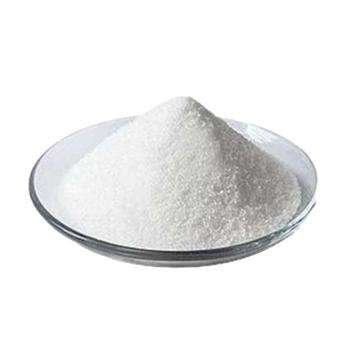
Chemical Name: 3-Hydroxybutyric acid
CAS No.: 625-71-8
Molecular Formula: C4H8O3
Molecular Weight: 104.1
Appearance: White powder
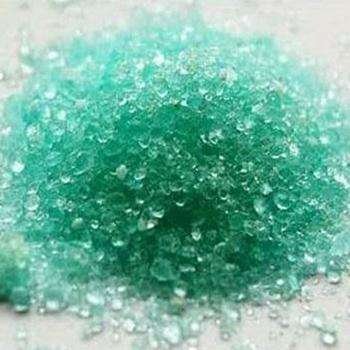
Chemical Name: Ammonium Iron(II) Sulfate
Synonyms: Diammonium iron bis(sulphate); iron (ii) ammonium sulfate
CAS No.: 10045-89-3
Molecular Formula: FeH5NO4S
Molecular Weight: 170.95
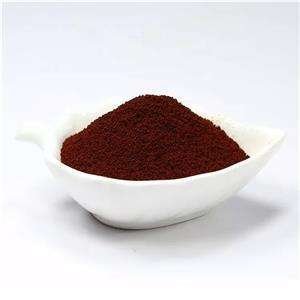
Chemical Name: Choline salicylate
CAS No.: 2016-36-6
Molecular Formula: C12H19NO4
Molecular Weight: 241.28
Appearance: Red-Brown Crystal

N,N-Dimethylaniline is an organic compound with amine and methyl groups attached to a benzene ring. It is a colorless liquid with a characteristic amine odor. This compound is primarily used as a chemical intermediate in the synthesis of dyes, pigments, and polymers. Its reactivity makes it a valuable building block in the production of various organic compounds, particularly in the pharmaceutical and chemical industries.
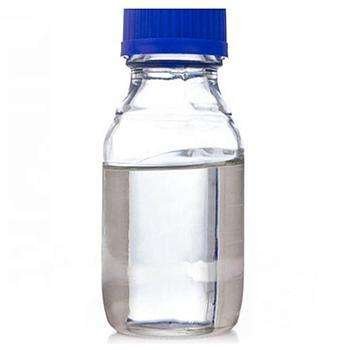
Chemical Name: STODDARD SOLVENT
CAS No.: 64742-88-7
Appearance: Colorless or Light Yellow Liquid
Chemical Name: o-Xylene
Synonyms: 1,2-Dimethylbenzene; ortho-xylene
CAS No.: 95-47-6
Molecular Formula: C8H10
Molecular Weight: 106.17
Chemical Name: Ashwagandha Extract
Synonyms: Withania somnifera, ext.; Withania Somnefera Extract
CAS: 90147-43-6
Appearance: Brown

Ethylhexyl Palmitate is a skin-conditioning ester, derived from ethylhexanol and palmitic acid, that imparts moisturization and a smooth texture to cosmetic and personal care formulations. It is valued for its emollient properties, enhancing the sensory experience of skin care products.
Succinimide is a heterocyclic organic compound and an important industrial chemical. It serves as a key intermediate in the synthesis of various pharmaceuticals, agrochemicals, and other specialty chemicals. Known for its reactivity and versatility, succinimide is widely used in the production of succinic anhydride, a precursor to many polymers and plasticizers, highlighting its significance in the chemical industry.

Terpene resin is a type of natural resin derived from terpenes, which are organic compounds found in various plants. It is known for its aromatic properties and is commonly used in the production of fragrances, flavorings, and as a component in adhesives and coatings within the chemical industry. Terpene resin offers a range of benefits, including enhancing the solubility of essential oils and providing a stable base for various applications. Its natural origin makes it a preferred choice for eco-friendly products.
Chemical Name: Arabic gum
CAS No.: 9000-01-5
Appearance: powder
1-Octanol, also known as Capryl alcohol or n-Octanol, is a clear, colorless liquid with a characteristic waxy odor. It is an alcohol with eight carbon atoms in its chain, making it a part of the aliphatic alcohol family. This compound is poorly soluble in water but is miscible with ethanol, diethyl ether, and chloroform . It has a melting point of approximately -15??C and a boiling point of around 196??C . 1-Octanol is used in the production of esters, plasticizers, and as a solvent or intermediate in the synthesis of various organic compounds. It also finds application in the fragrance industry as a fixative in perfumes and can be used in the formulation of flavor and scent compositions . It is important to note that 1-Octanol is flammable and should be handled with care, storing it away from sources of ignition and heat .


